Specimen shurbs
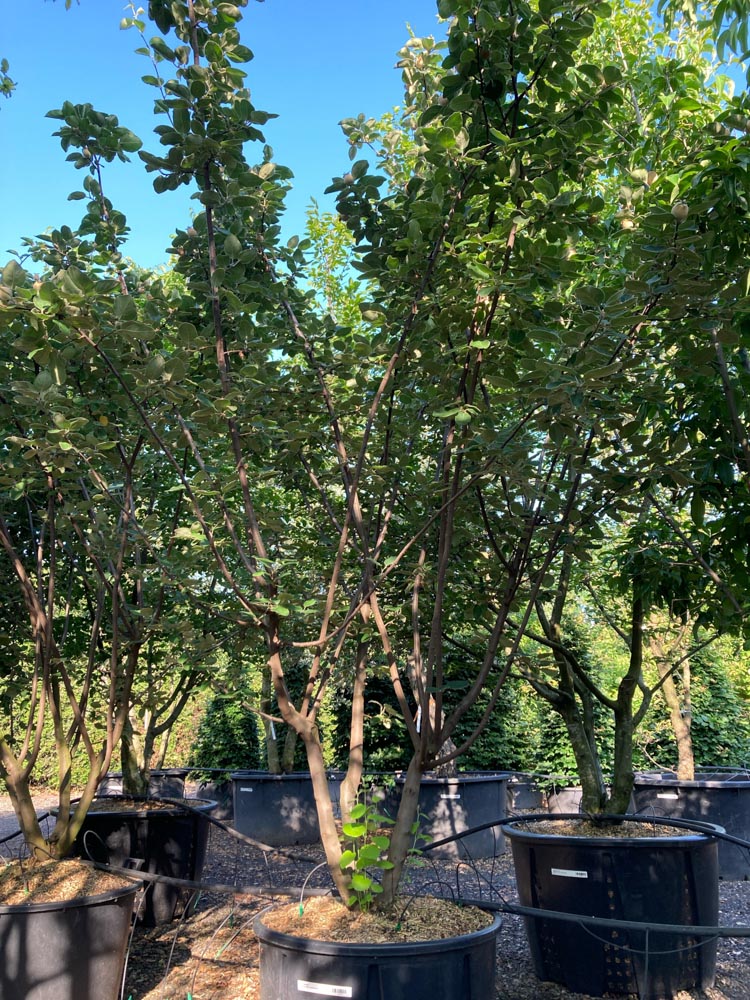
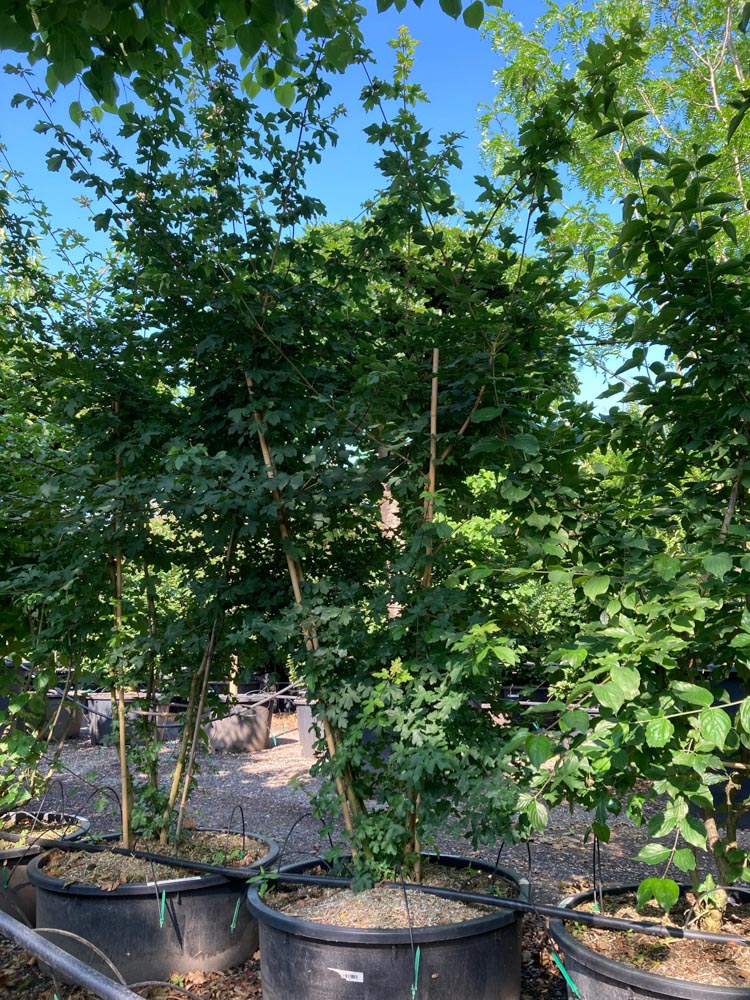
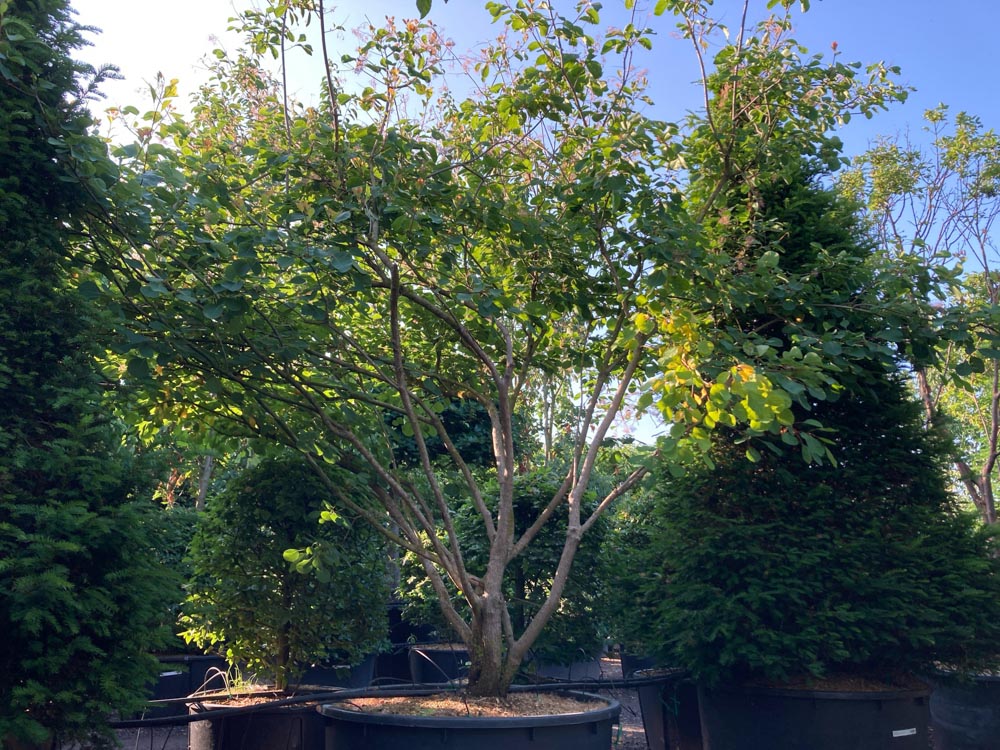
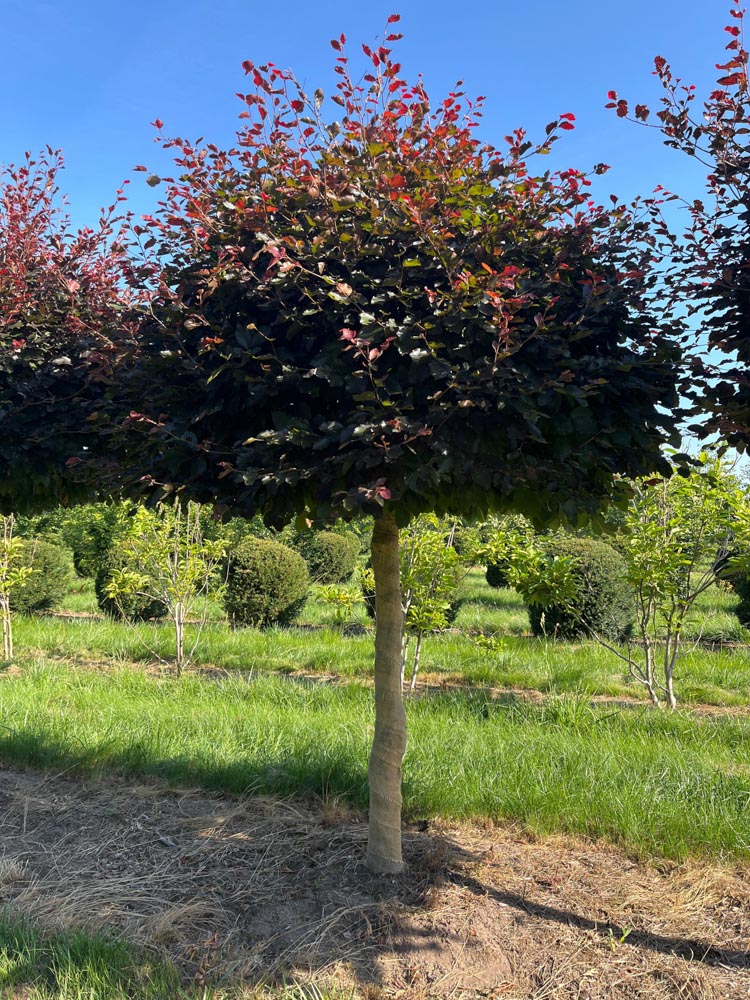
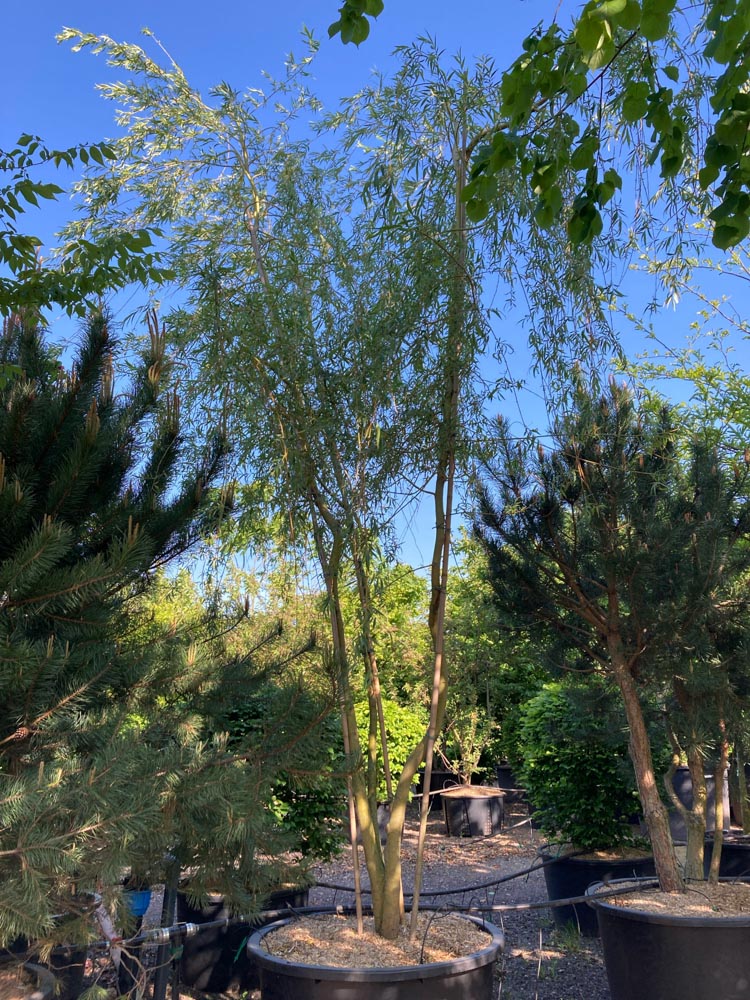
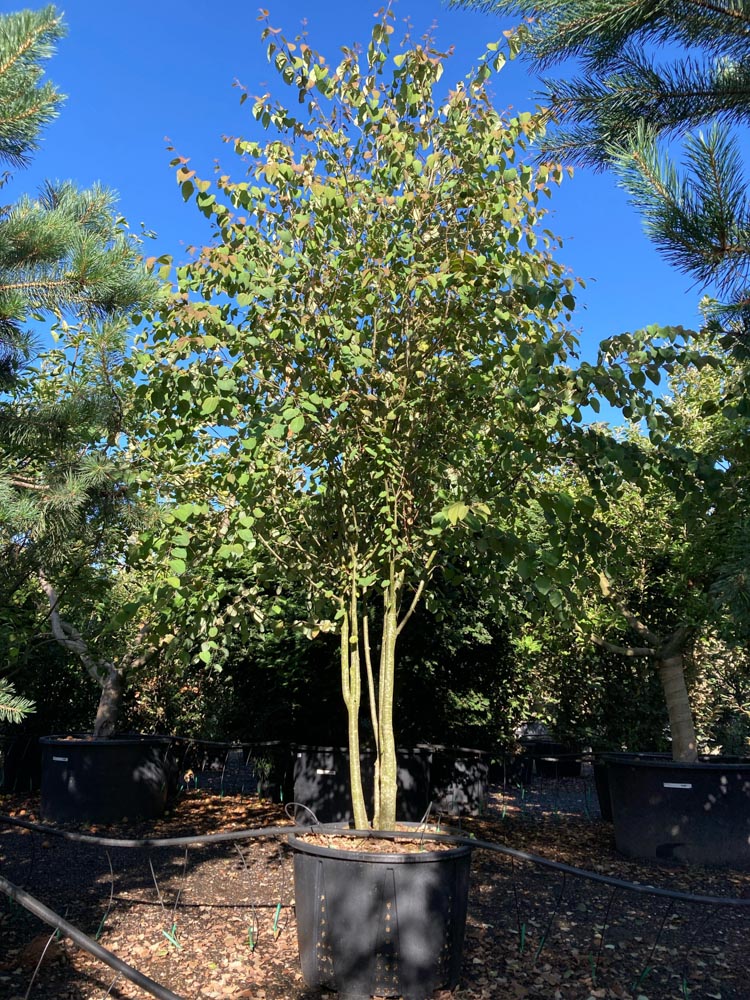
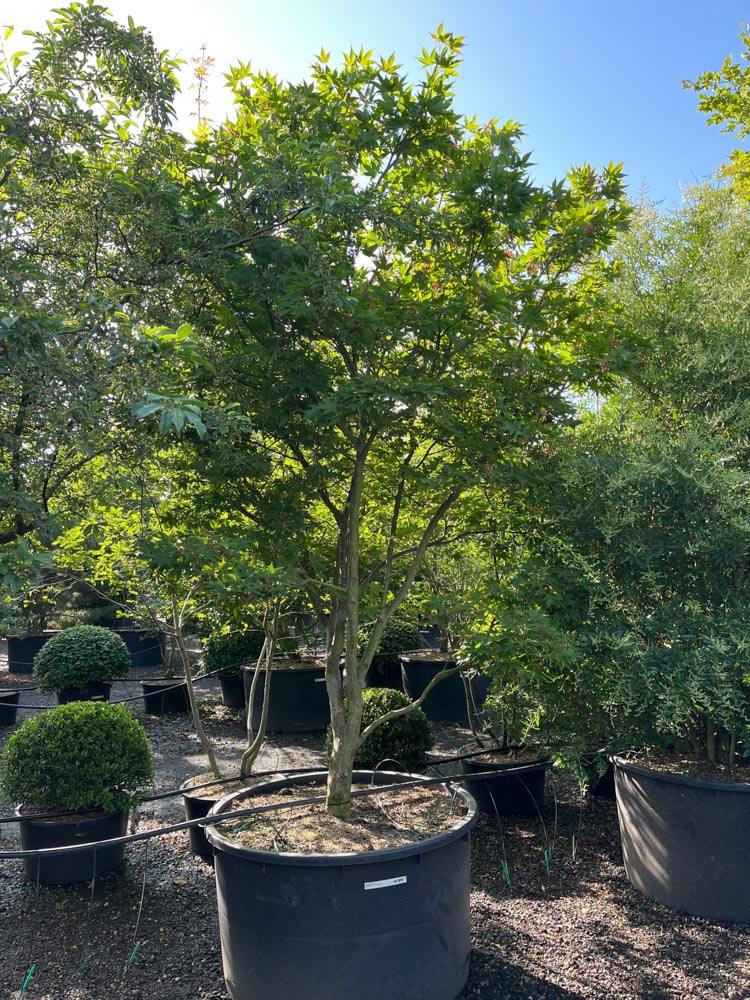
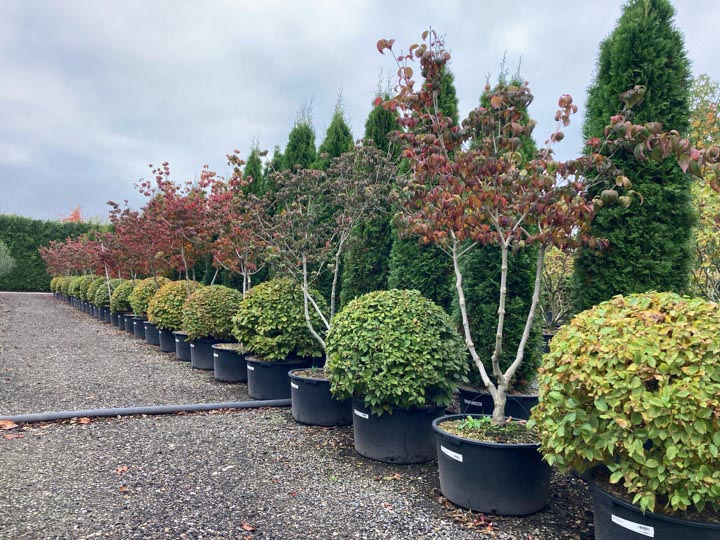
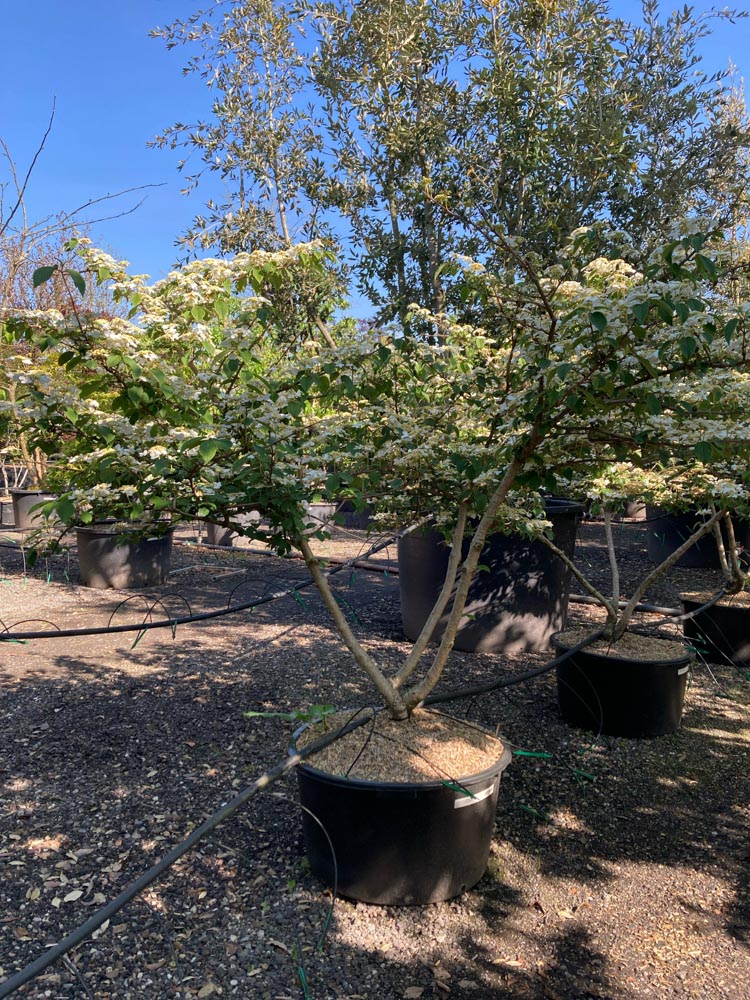
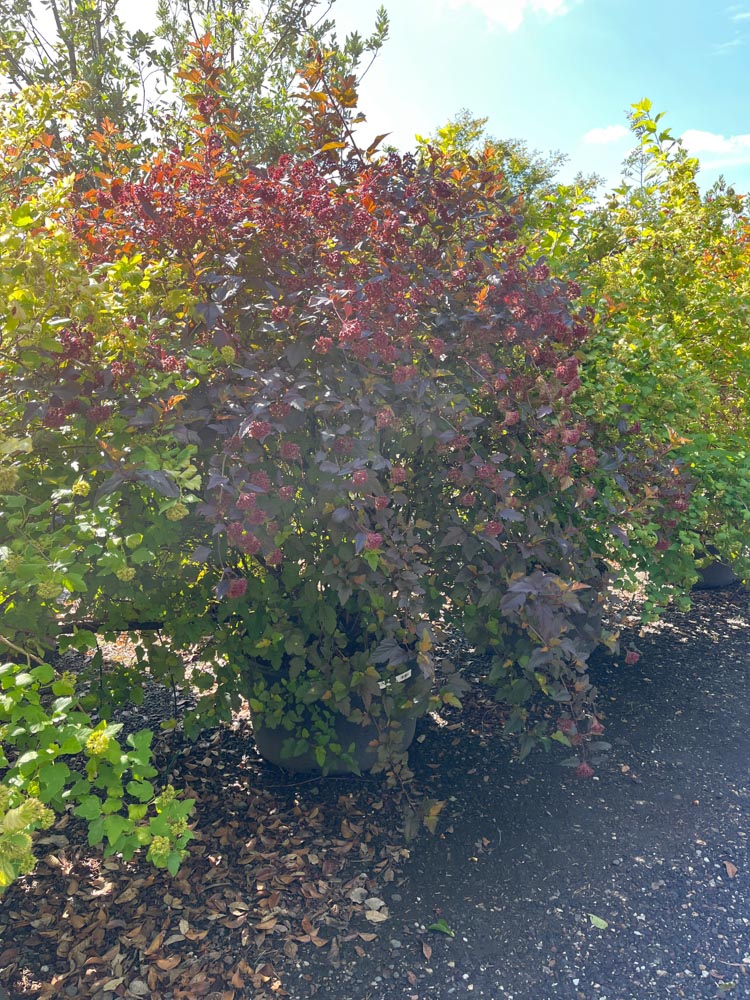
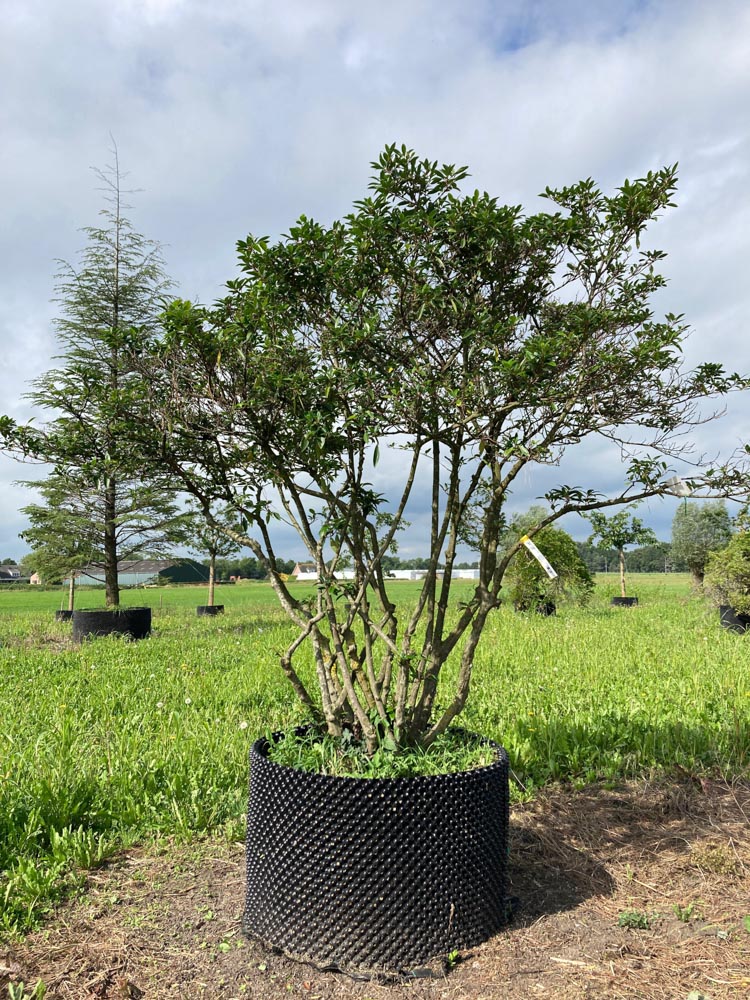
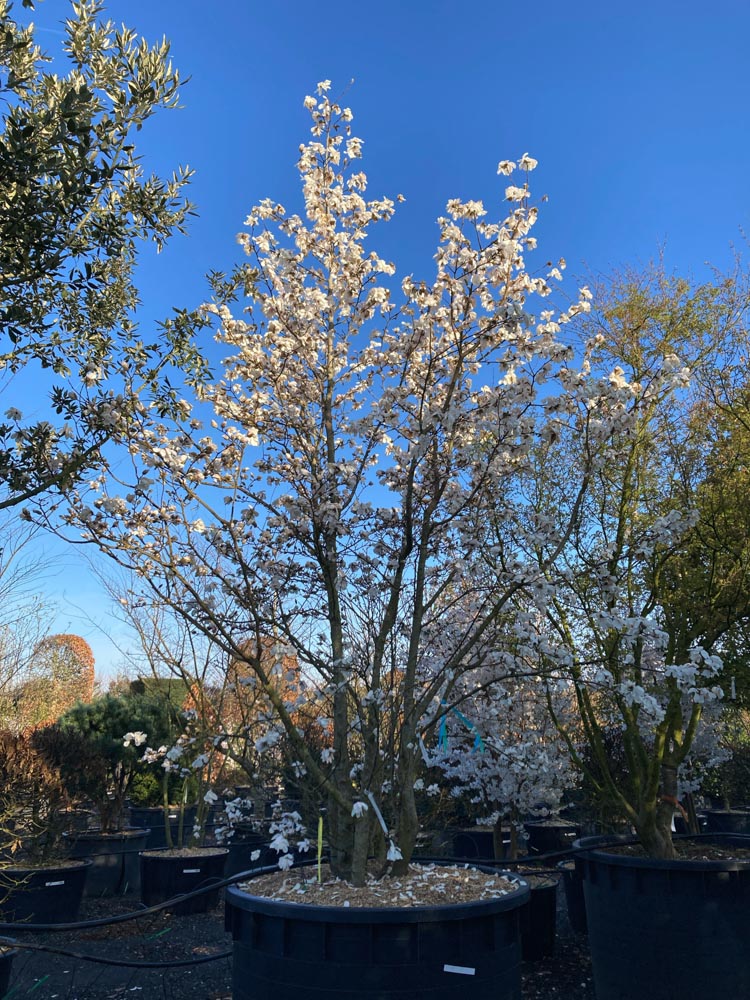
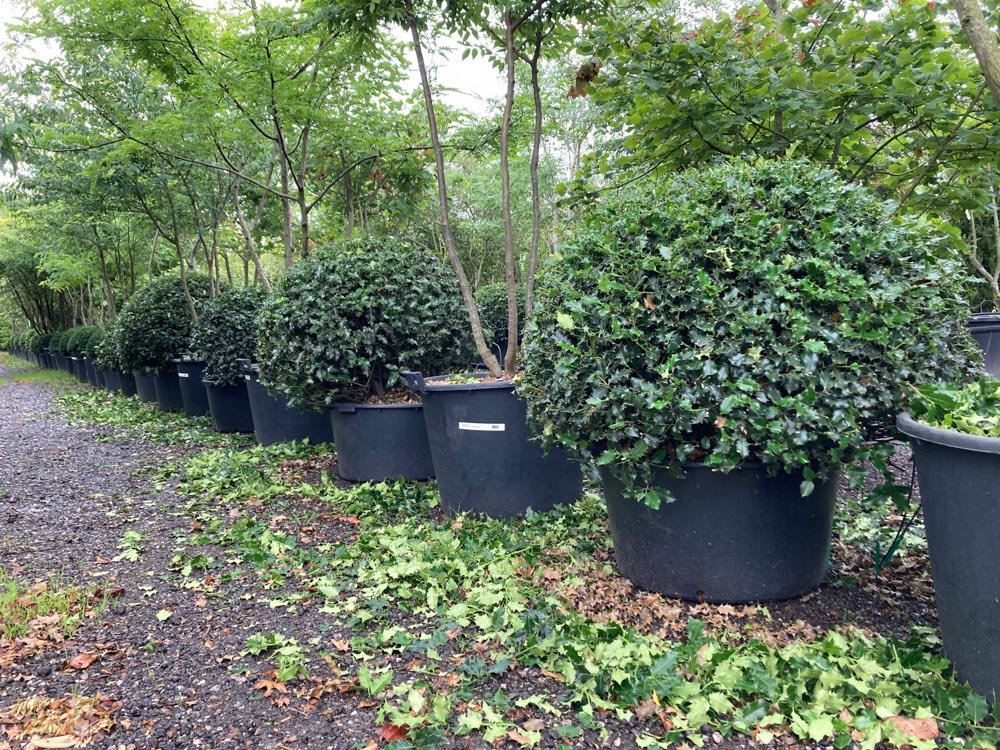
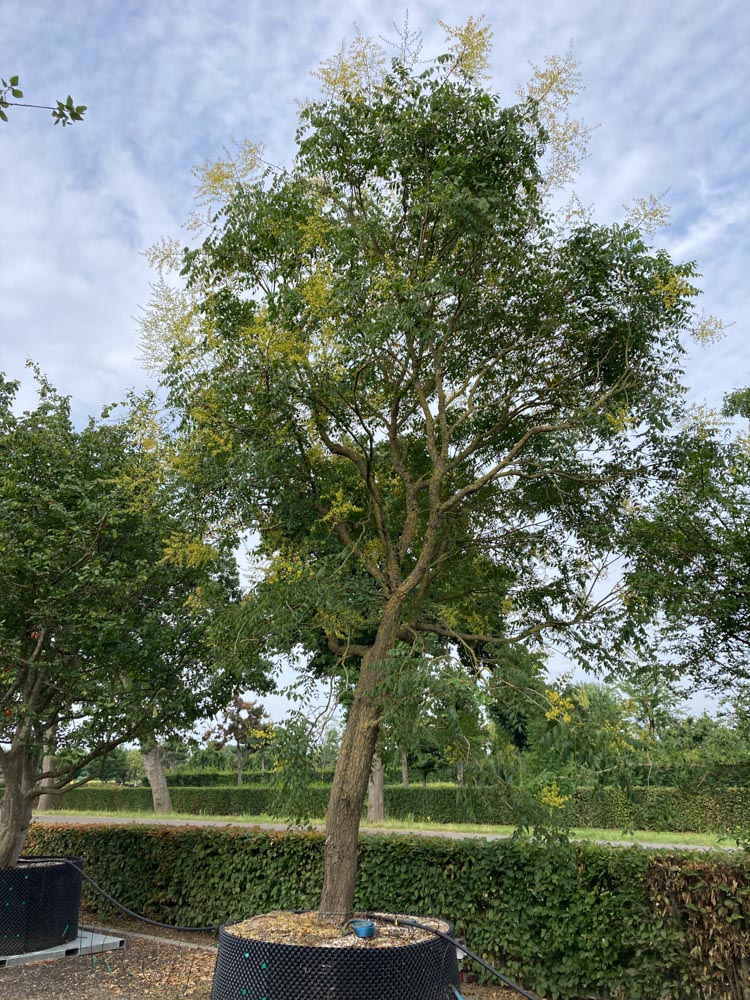
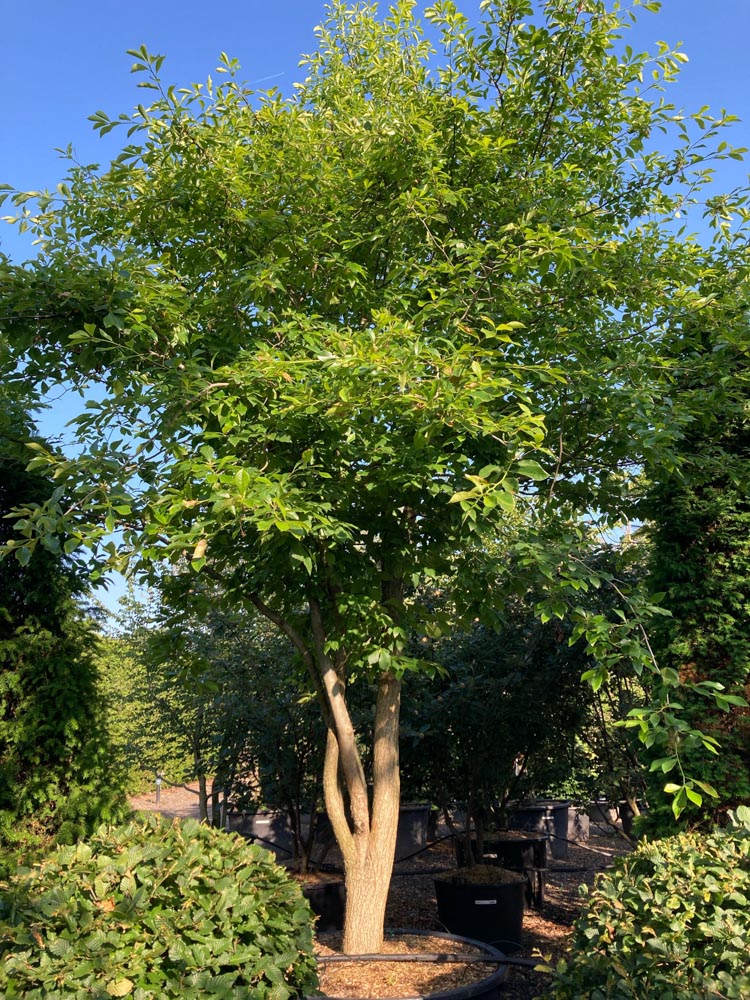
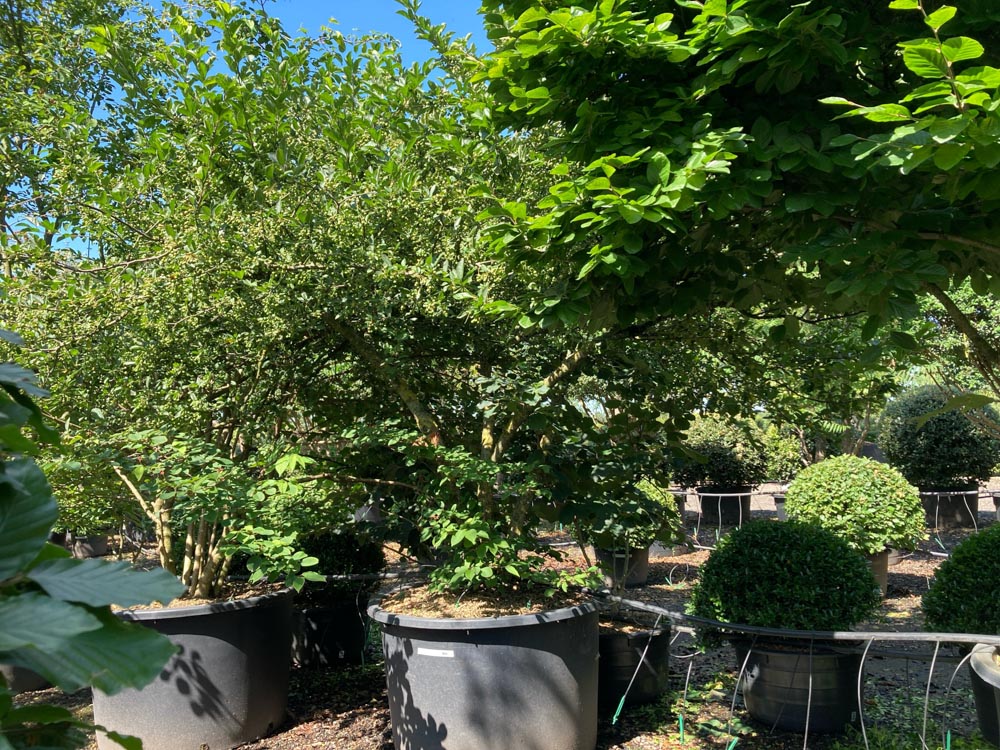
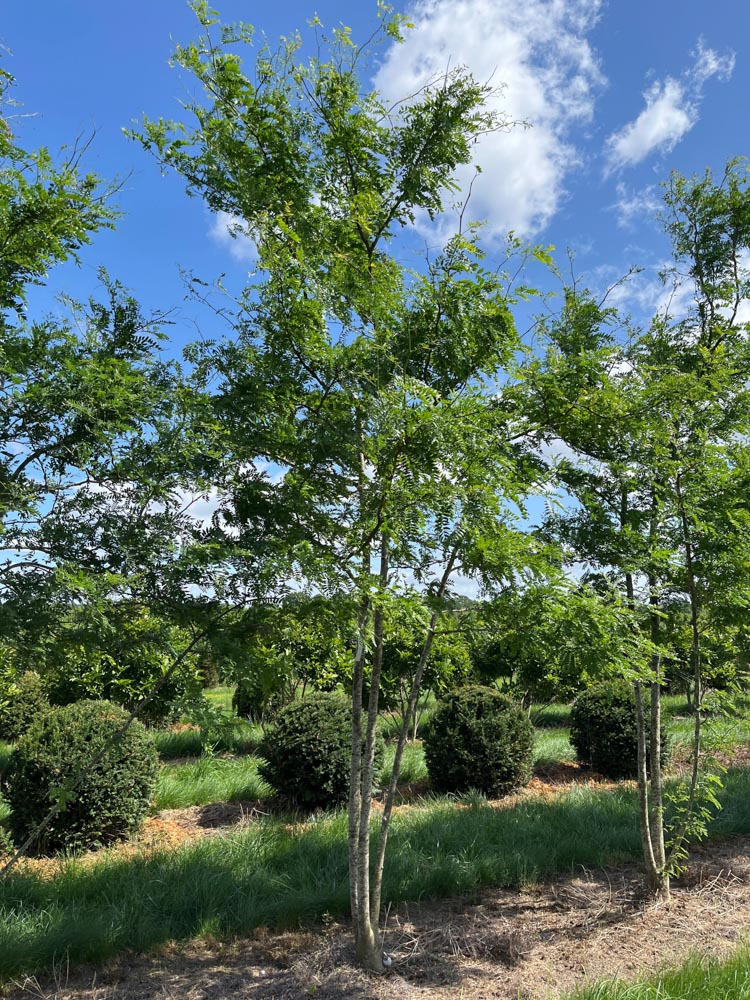
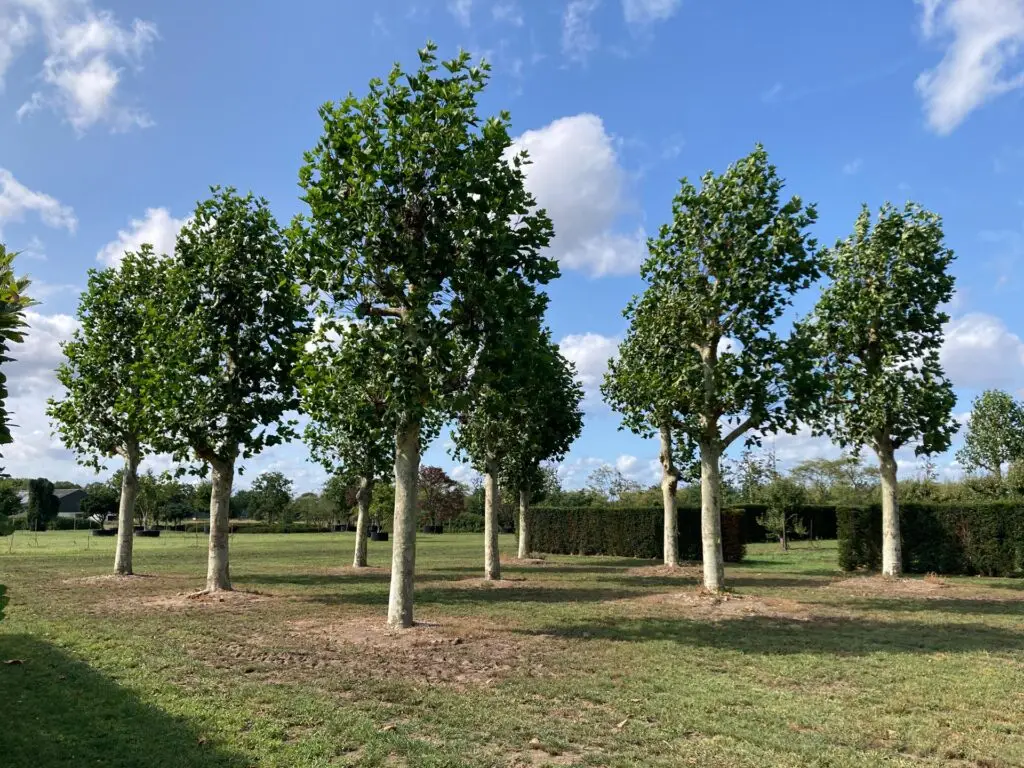
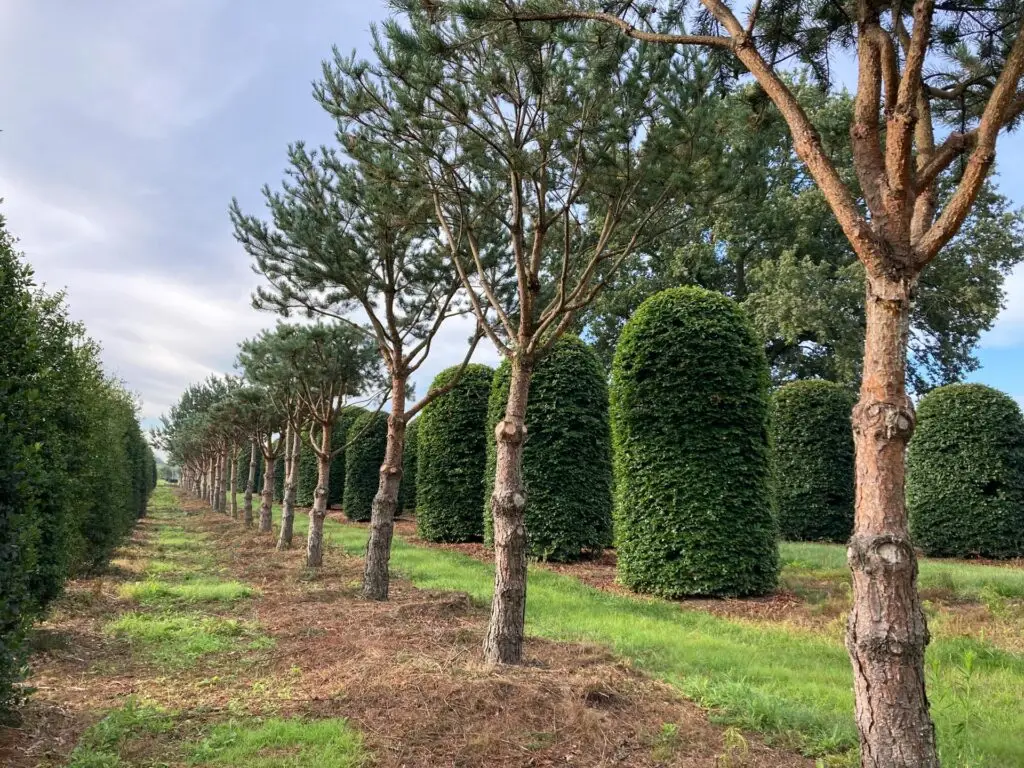
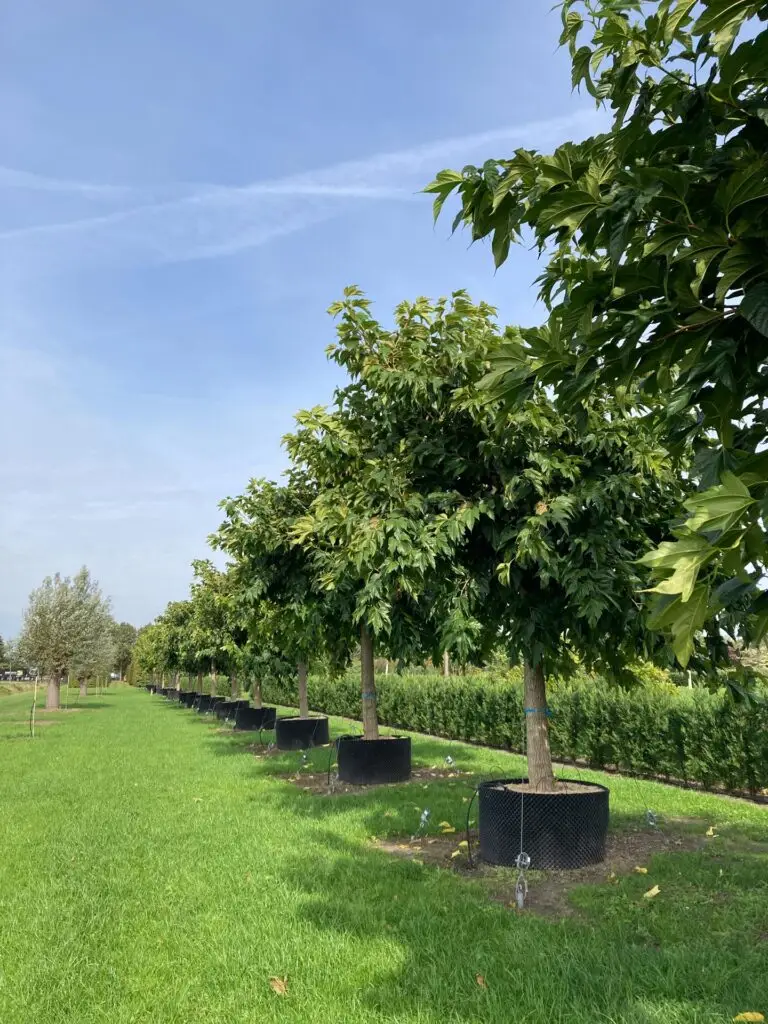
Specimen shurbs are trees that are deliberately placed on their own, so that they stand out fully. This individual positioning creates a powerful visual statement within a garden or landscape. Specimen shurbs attract attention, give direction to the design and often act as a natural anchor point.
At Smits Nursery, we supply a wide range of specimen shurbs in different types, sizes and shapes. From flowering trees to evergreen and characterful specimens. Always with a focus on quality, appearance and applicability within professional garden and greenery projects.
A tree that carries the design
- Tilia europaea 'Pallida'
- Thuja plicata 'Excelsa'
- Quercus
- Morus alba
- Platanus hispanica
- Parrotia persica
- Platanus hispanica
- Tamarix
- Pinus sylvestris
- Pinus nigra nigra
- Morus alba
- Acer, Carpinus and Cedrus
- Fagus sylvatica
- Acer palmatum
- Various
- Tamarix
Types of specimen shurbs
Specimen shurbs in different species
Specimen shurbs are available in a variety of species, each with its own character, crown shape and seasonal experience. They are selected for appearance, size and the role they play within the design.
Whether an impressive tree in a villa garden or a compact specimen in a city garden: specimen shurbs give any outdoor space identity.
Most popular species
- Quercus ilex Stone oak
- Fagus sylvatica Beech
- Acer palmatum Japanese maple
- Liquidambar styraciflua Amber tree
- Ginkgo biloba Japanese walnut tree
- Catalpa bignonioides Trumpet tree
- Pinus sylvestris Scots pine
- Magnolia ‘Susan’ Magnolia
Range of specimen shurbs
Our specimen shurbs
Within our range, you will find specimen shurbs in various forms: standard, multi-stemmed, flowering or evergreen. All trees are grown and maintained with care, so that they are in optimal condition upon delivery.
During the planting season (roughly from October to May), specimen shurbs are available from the open ground, delivered with a strong wire rootball. Outside the planting season, containerised trees offer additional flexibility, as they can be planted all year round.

Why specimen shurbs
Visual calm and focus in design
Specimen shurbs are used to create accents and mark zones within a garden or landscape. Through their size, crown shape and positioning, they create tranquillity, balance and hierarchy in the design.
Specimen shurbs are particularly suitable for:
- villa gardens and estates
- city gardens with a distinctive look
- parks and representative outdoor areas
In terms of maintenance, this varies by species, but in general, specimen shurbs do not require intensive topiary. Most species grow well in sun to semi-shade and have average water requirements.
Options
Shape, size and application
Specimen shurbs are available in a variety of shapes and sizes, depending on the desired look and scale of the project. They can be used as:
- eye-catcher in an open space
- marking of an entrance or line of sight
- connecting element between architecture and greenery
At Smits, we are happy to help select the right tree, tailored to design, location and future image.
FAQ
Frequently asked questions about specimen shurbs
What is a solitary tree?
Where are specimen shurbs most commonly used?
Are specimen shurbs suitable for smaller gardens?
Can specimen shurbs be planted year-round?
How high-maintenance are specimen shurbs?
Are specimen shurbs also available multi-stemmed?
Which specimen shurbs give the most seasonal effect?
How big do specimen shurbs get?
Can I pick my own solitary tree?
Why do professionals choose specimen shurbs from Smits?
Looking together at what fits your project?
Would you prefer to see the trees in real life first?
You are welcome to visit our nursery!