Chinese privet

Family: Olive family

Ligustrum quihoui

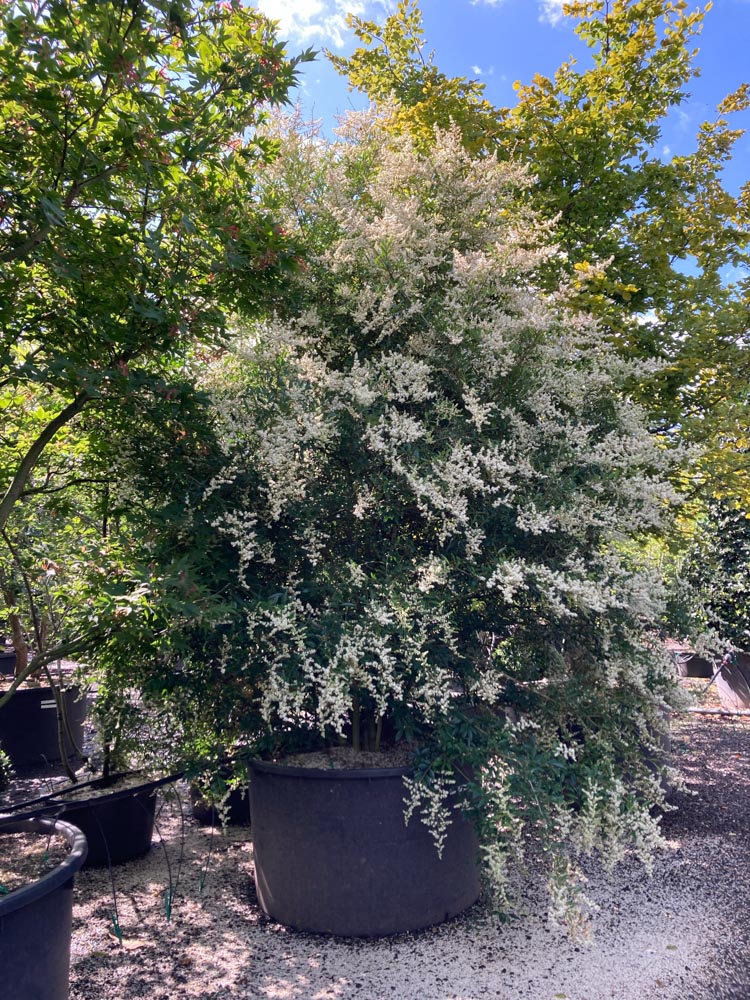
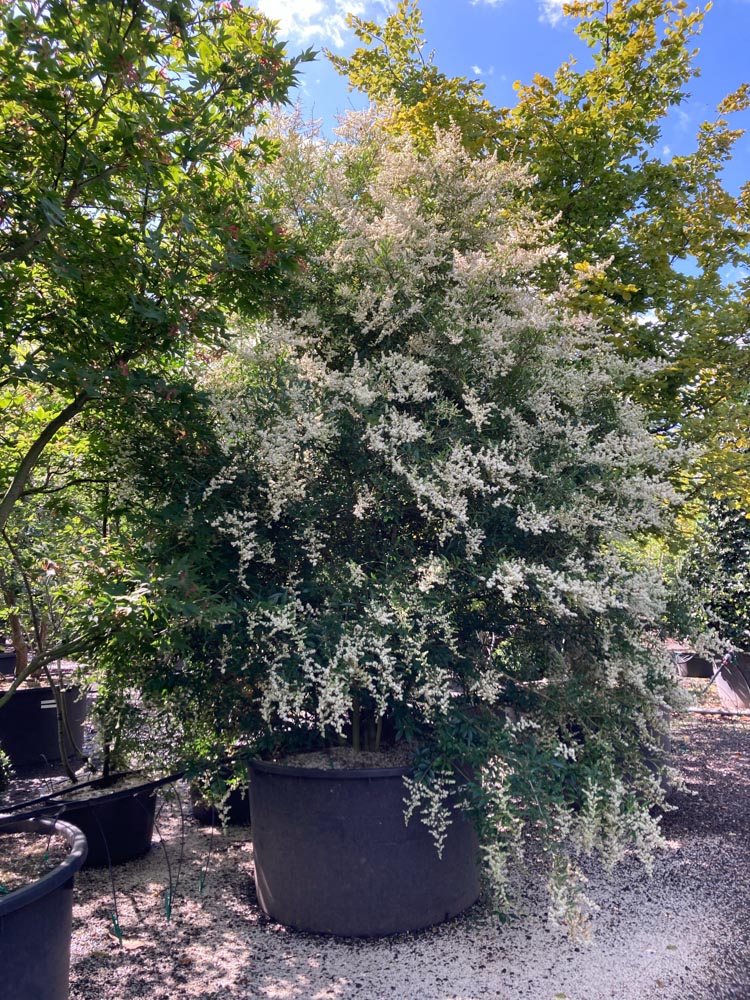
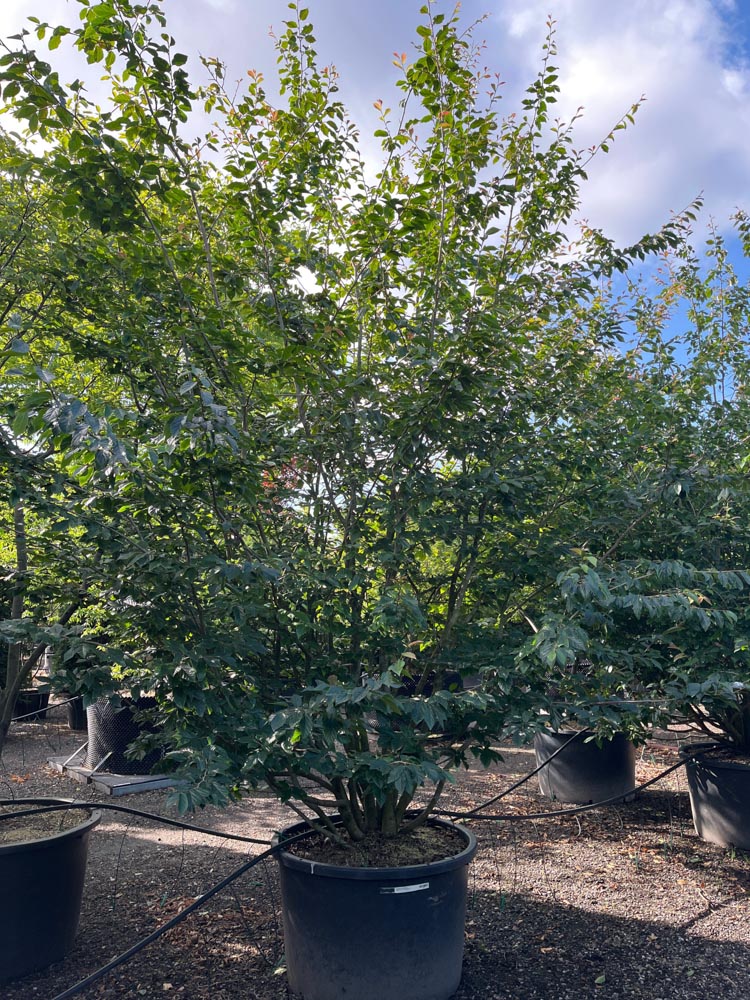
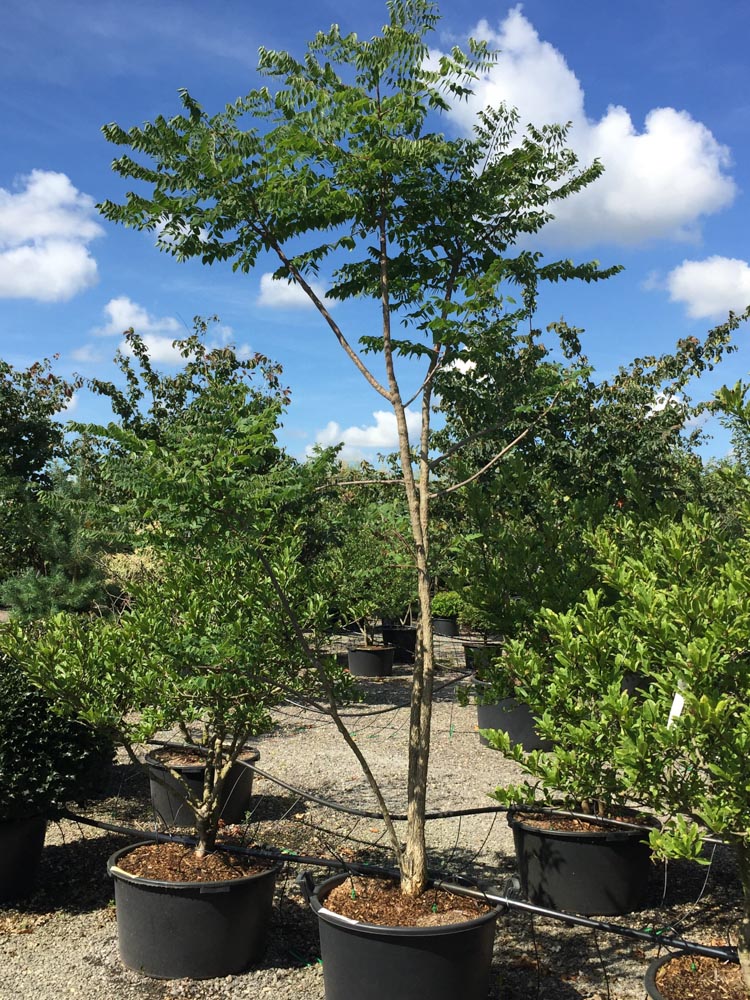
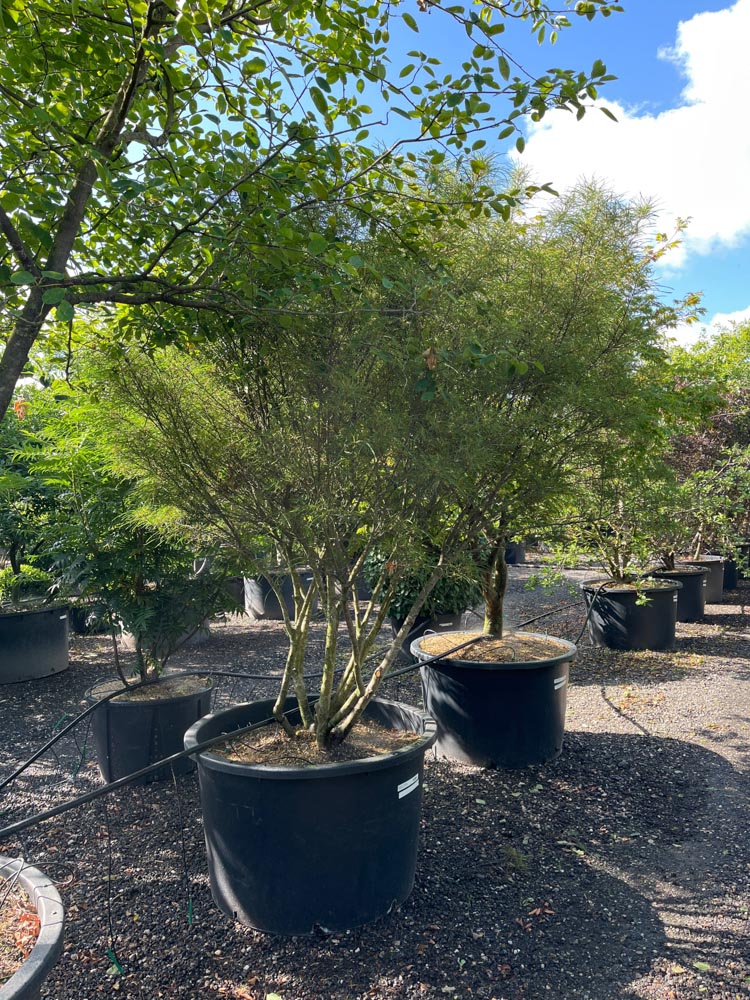
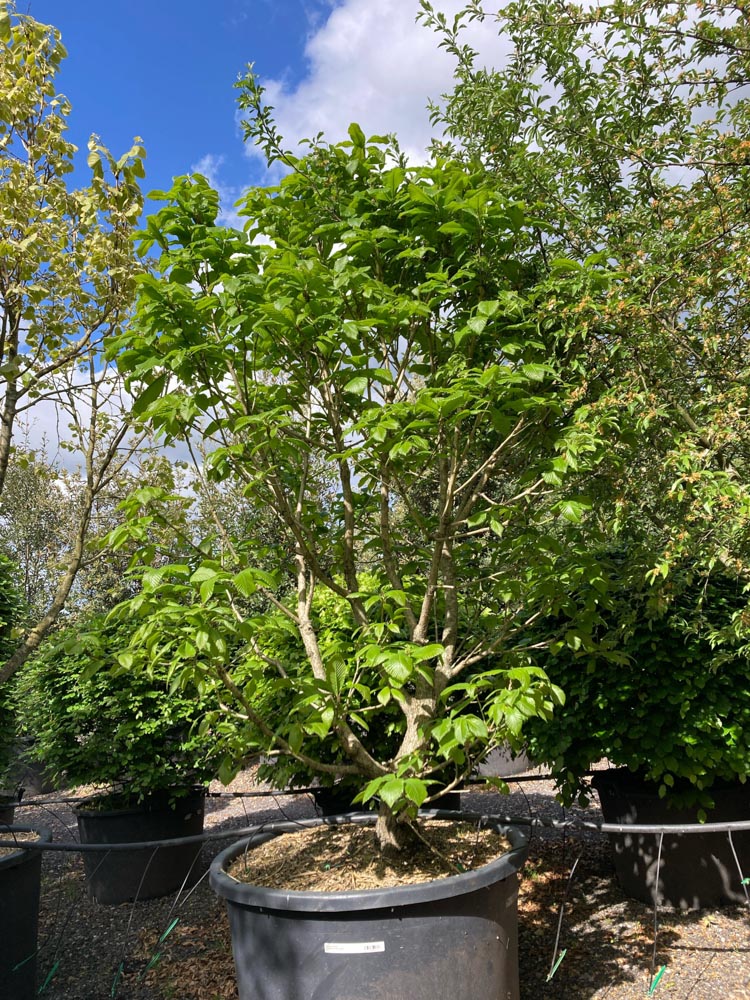
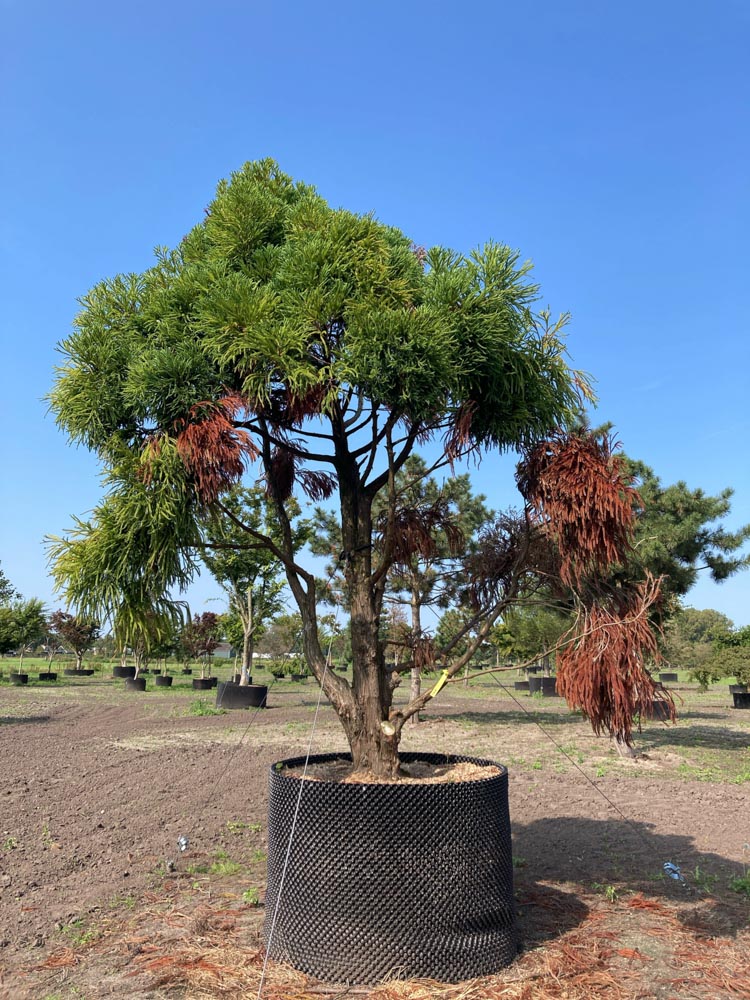
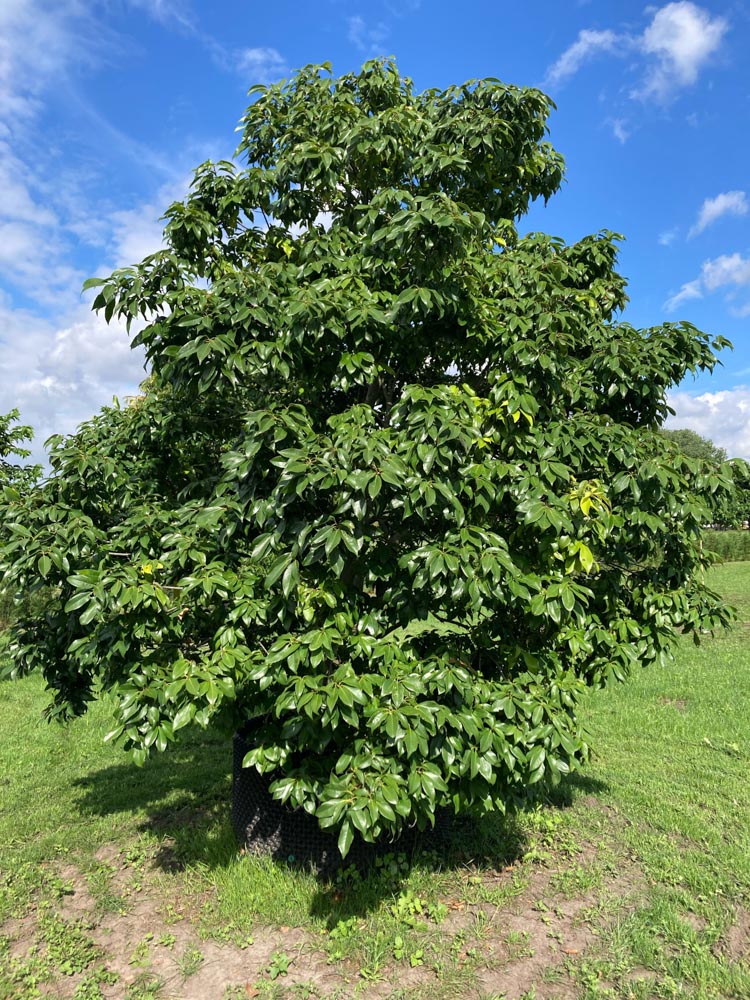
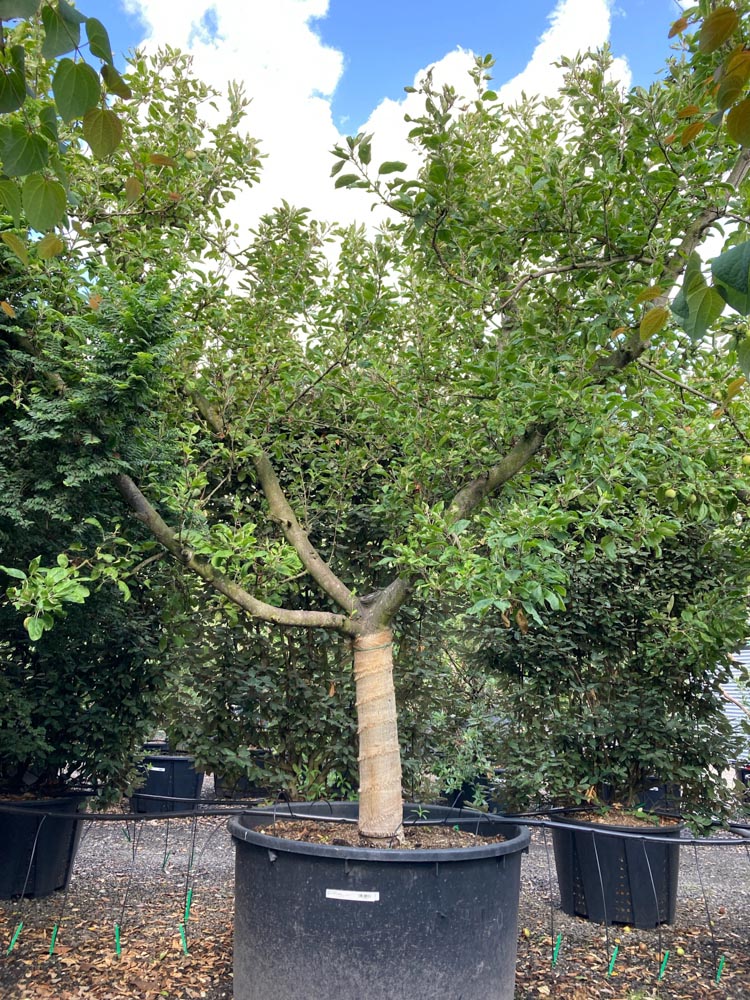
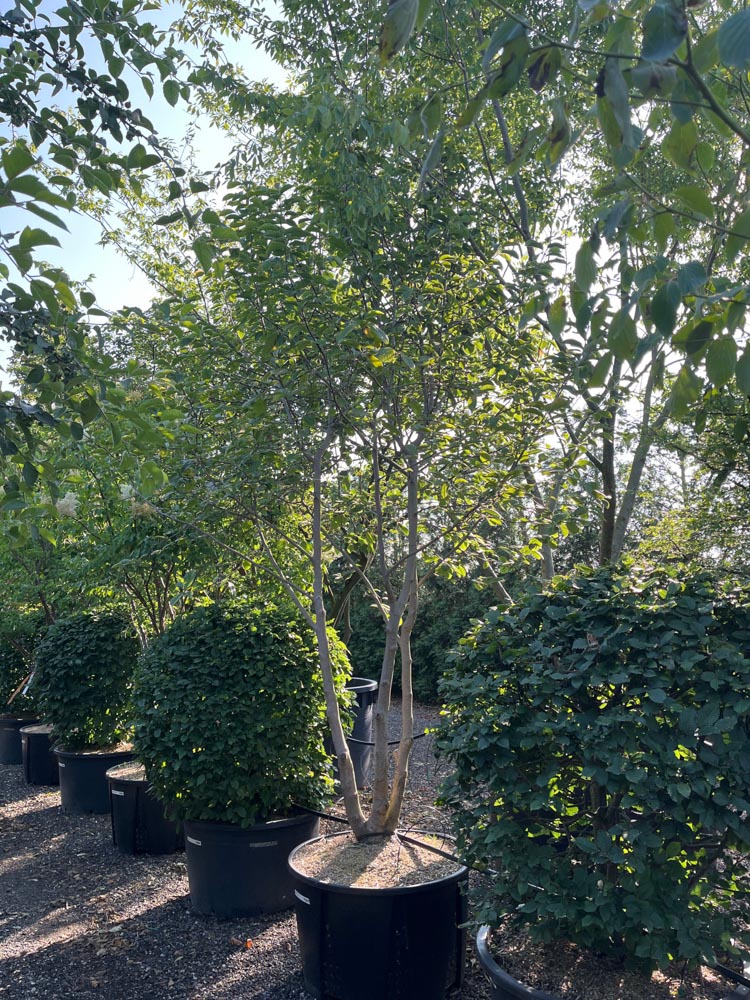
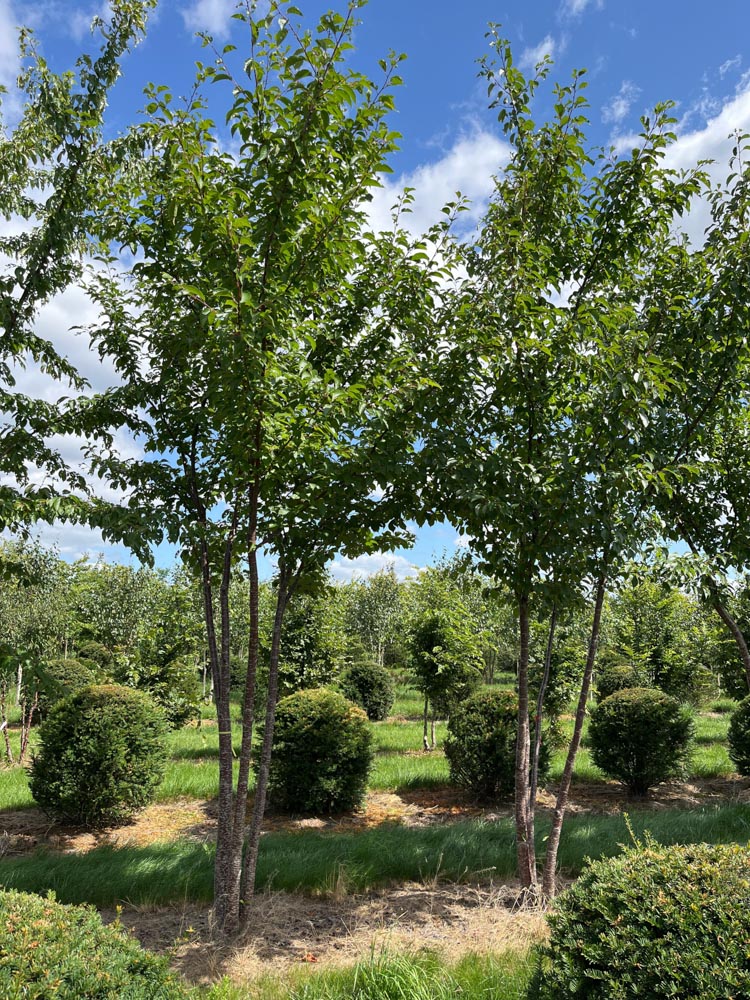
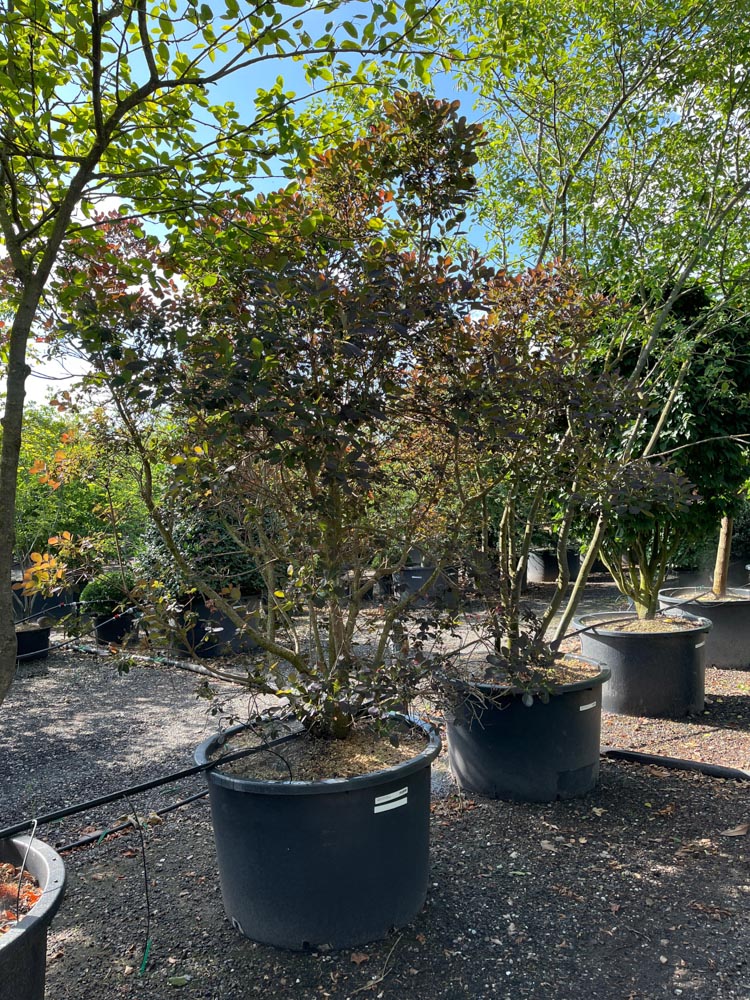
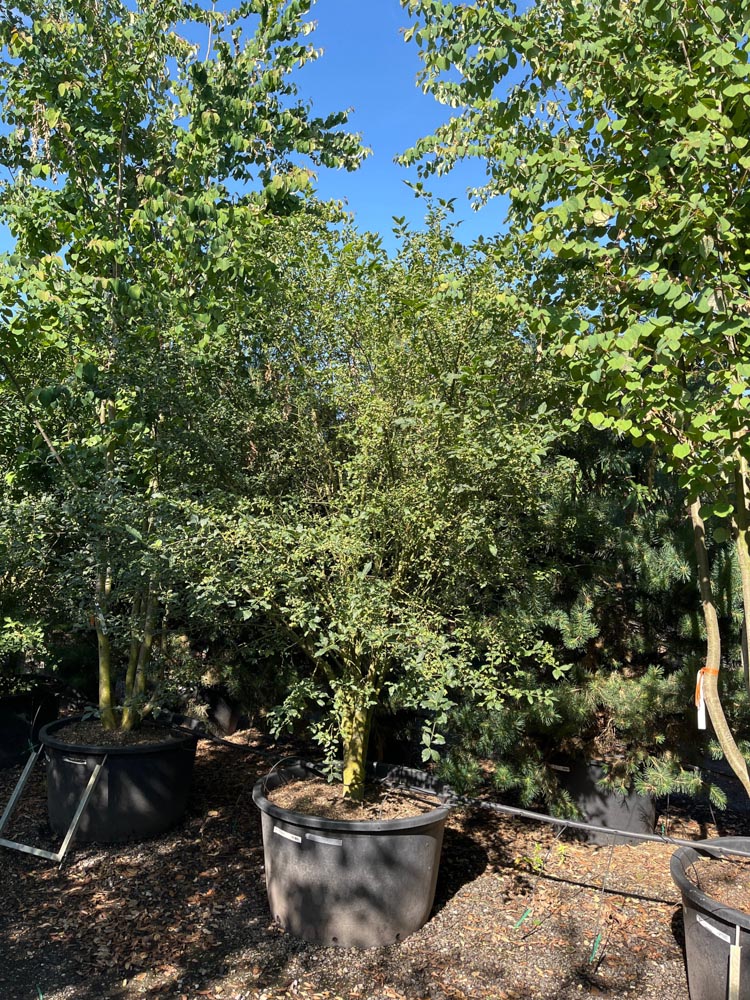
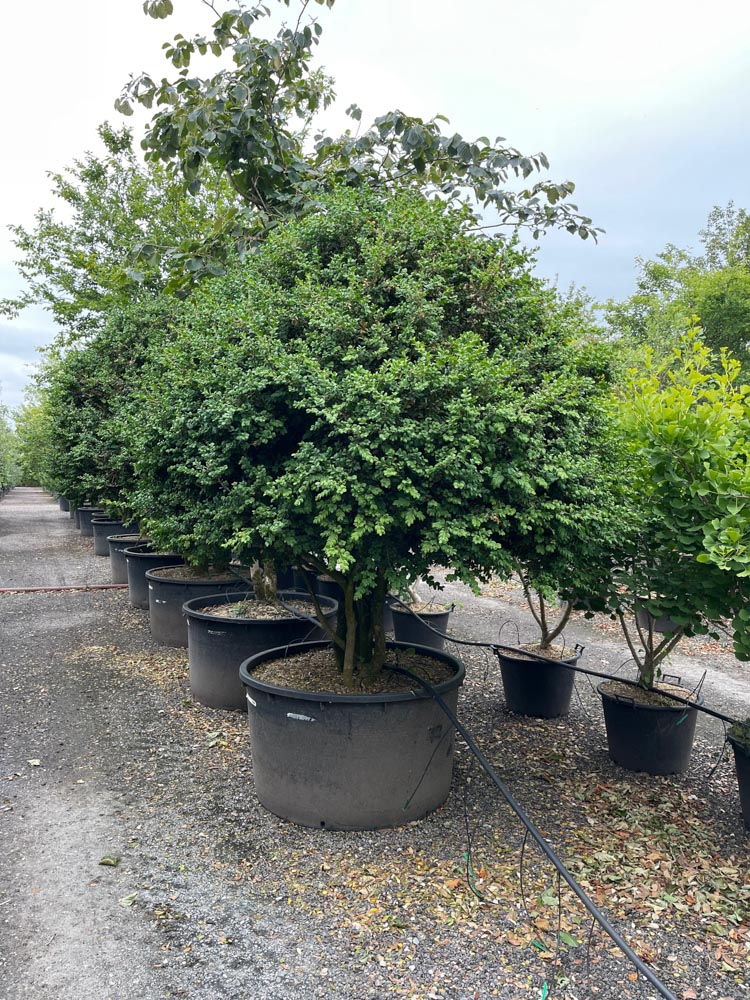
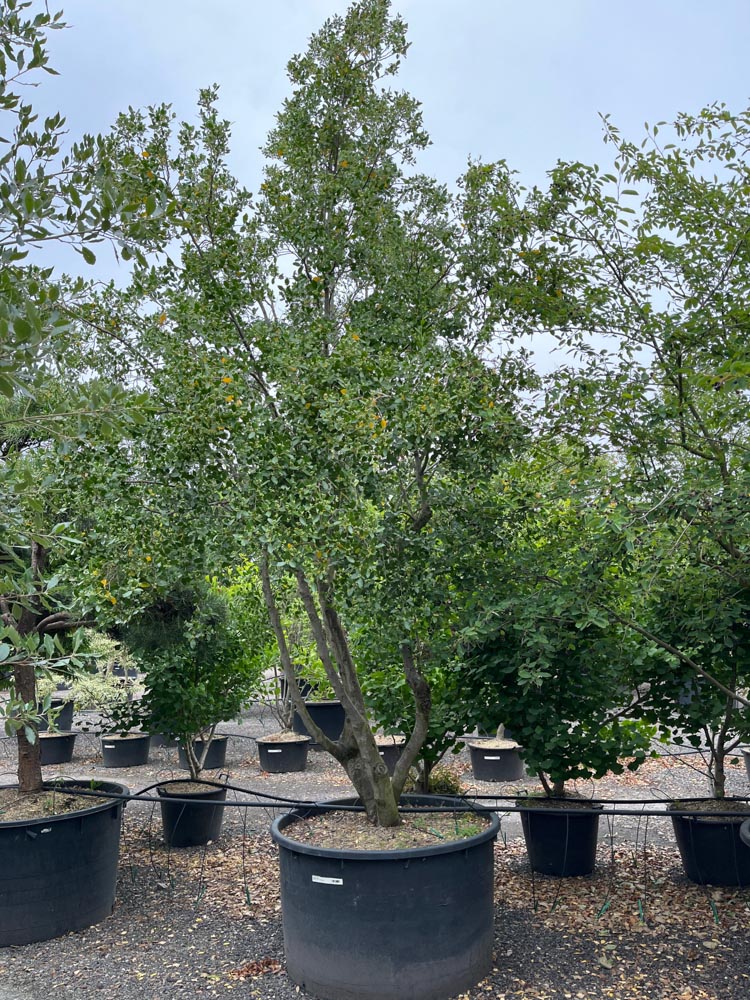
Ligustrum quihoui Chinese privet height 250/300 cm in container

About Ligustrum quihoui

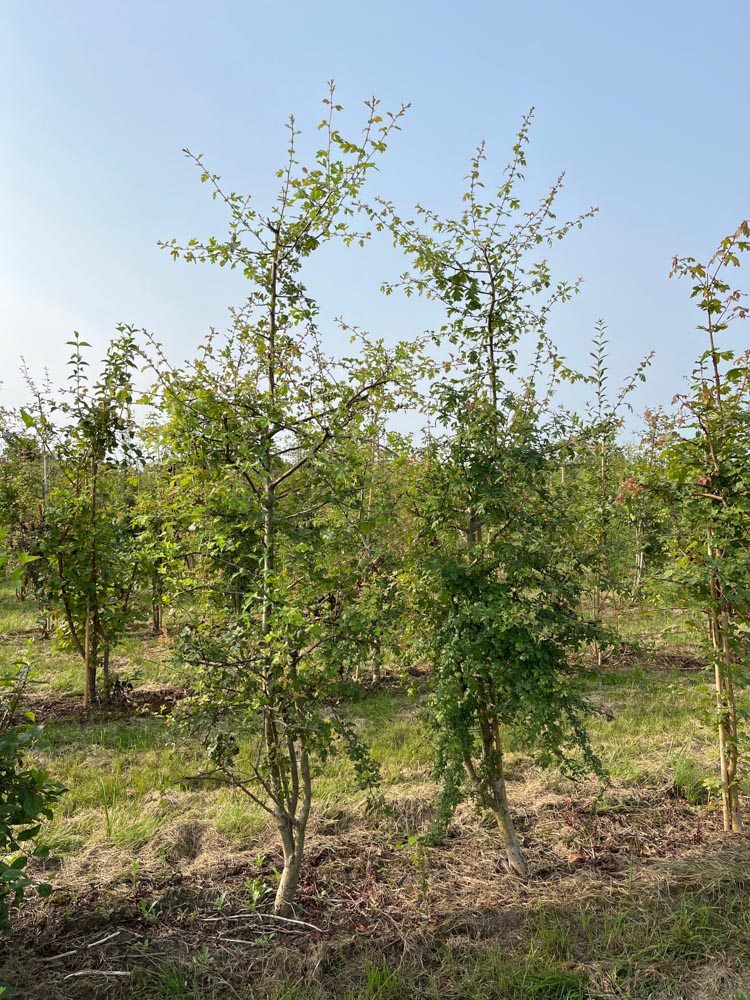
Ligustrum quihoui, the Chinese privet, is a semi-evergreen privet species native to China that is distinguished by its particularly late and rich white flowering in summer - a feature that clearly distinguishes it from the common privet (Ligustrum vulgare) that flowers as early as June. Its growth form is wide and gracefully open, with elegant, arching hanging twigs at the end of the branches. Those hanging twig ends give the shrub or small tree a more elegant character than the stiff, upright common privet. At maturity, the plant grows 2 to 4 metres tall. Available from Smits as a multi-stemmed tree of 250/300 centimetres in height. The trunk has grey to grey-brown bark. The leaves are oval, glossy and dark green. Fresh green in spring. In summer, dark green and glossy. Chinese privet is semi-evergreen: in mild winters it keeps most of its leaves; in severe frosts it loses more leaves. In autumn, it loses its glossy green colour but does not shrink like an ordinary leaf looser. Flowering is its most special feature: from August to September, it blooms with large, panicle-shaped clusters of small white flowers. This late summer flowering is special at a time when few other shrubs and trees are still flowering. The scent is sweet and intense. After flowering, small, blue-black berries form that are decorative in autumn and winter. Growth is moderate. It prunes well but also thrives as a free, naturally grown shrub or small tree.

Application and location

Ligustrum quihoui is suitable as a solitary accent plant in gardens and parks, but also as part of mixed plantings. Its elegant hanging twig ends and particularly late white blooms give it a distinctive look. It thrives in full sun to semi-shade. It grows well on loam, clay and sand. The soil should preferably be moist but well-drained. Hardiness is reasonable; in severe winters, leaf damage may occur. A sheltered location is recommended. Available from Smits as a multistemed tree of 250/300 cm in height.

Do you already know exactly what you need?

Every garden and every greenery project is different. Therefore, at Smits Arboriculture we do not make standard quotations, but we like to look together at what suits your wishes, planning and the character of the project.


our opinion

The characteristics below show the ideal conditions for a Ligustrum quihoui. They help choose the right species for your project, but may vary slightly from one garden or project to another.

the runners

This is a list of the most frequently selected products. Looking for a specific product? Visit contact with us and we will be happy to help you personally. 

Dimensions

Value

Delivery form

Feature

Photo

Height
250/300 cm
Container
Multi-strain
85331-1.jpg

Is the image missing?
Mail to info@smitsbv.nl

Is the Ligustrum quihoui you are looking for not listed?

No worries. Chances are we still have the species you are looking for! Visit contact with us and we will be happy to help you. 

Every garden and every greenery project is different. Therefore, at Smits Arboriculture we do not make standard quotations, but we like to look together at what suits your wishes, planning and the character of the project.

Get inspired by our park, container field and the way trees and hedges come together in the design. Ideal for getting ideas for your next project.
Discover how gardeners and designers apply our greenery in high-quality garden and green space projects. From villa gardens to larger landscape projects.

FAQ

Frequently asked questions about Ligustrum quihoui

Ligustrum quihoui flowers from August to September - unusually late for a privet and for most ornamental plants in general. During that period when few other shrubs are still flowering, Chinese privet is full of large panicles of white, fragrant flowers. That late flowering is its most distinctive and special feature.
Semi-evergreen. In mild winters, Chinese privet retains much of its foliage; in severe frosts it loses more leaves. In spring, it reliably sprouts again. This makes it an intermediate species: not completely evergreen, but also not completely bare in an average Dutch winter.
At maturity, it grows 2 to 4 metres tall with a wide, open habit. At Smits, it is available as a multi-stemmed tree of 250/300 centimetres in height.
Yes, the white flowers have a sweet, rather intense scent - characteristic of privet species. On warm summer days in August and September, the scent can be smelled from some distance away. The intensity of the scent varies from person to person: some find it pleasant, others a bit too heavy.
Yes, the small blue-black berries that form after flowering are toxic if ingested by humans and pets. Keep this in mind when choosing a location if children or pets are present. For birds, the berries are food to a limited extent.
Loam, clay and sand are suitable, preferably moist and well-drained. Chinese privet is fairly soil-tolerant. Prolonged waterlogging and extremely dry soil are disadvantageous.
Its winter hardiness is reasonable. In mild winters, it survives well. In severe, persistent frosts, leaf damage may occur and younger branches may freeze. A sheltered location - preferably somewhat protected from cold easterly winds - is recommended.
Basically not as a free solitary tree. Its elegant, open habit with drooping twig ends is most beautiful when allowed to grow freely. If the size needs controlling, prune in early spring, before flowering. Never prune after flowering as you will remove the flower buds before August.

See also