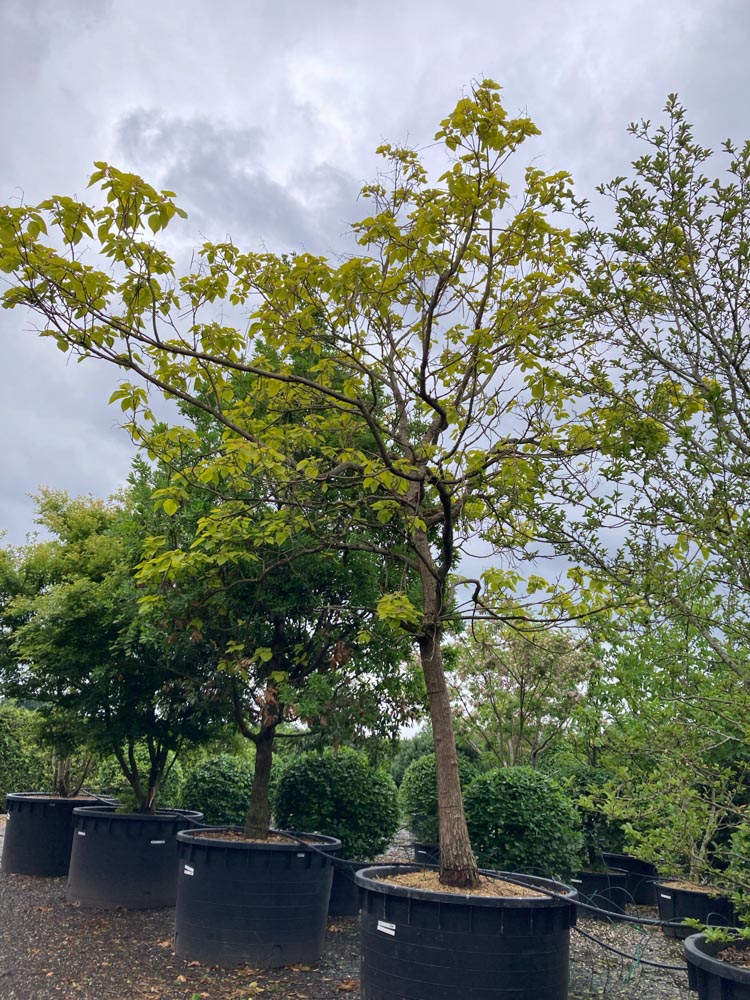
Mixed hedge

Family: n/a.

Mixed Hedging

About Mixed Hedging

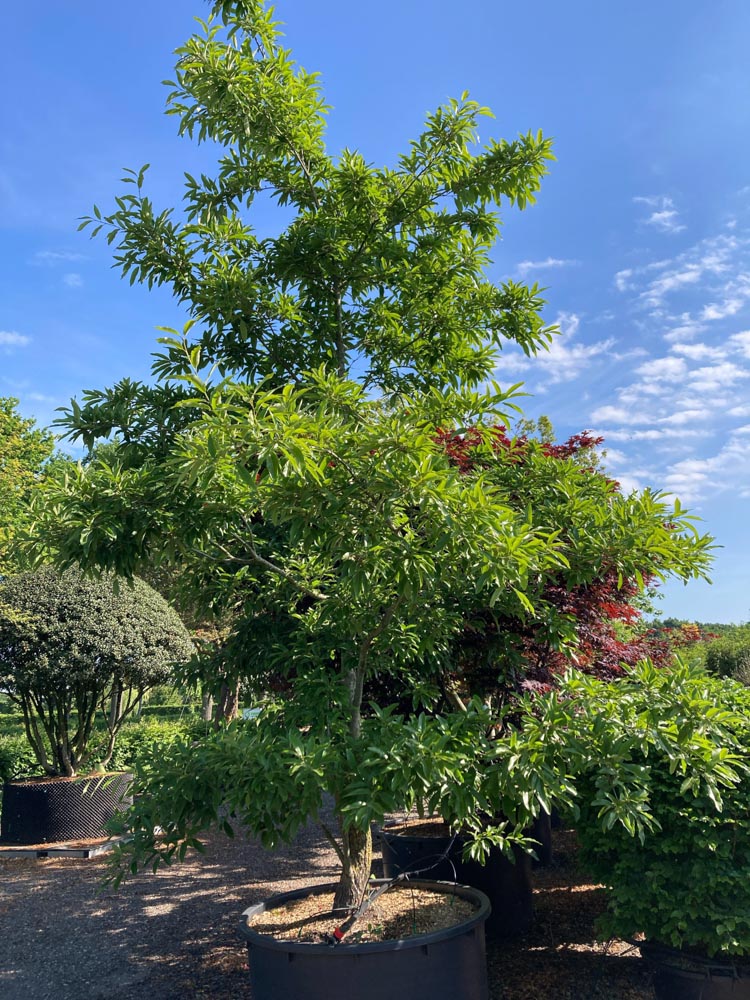
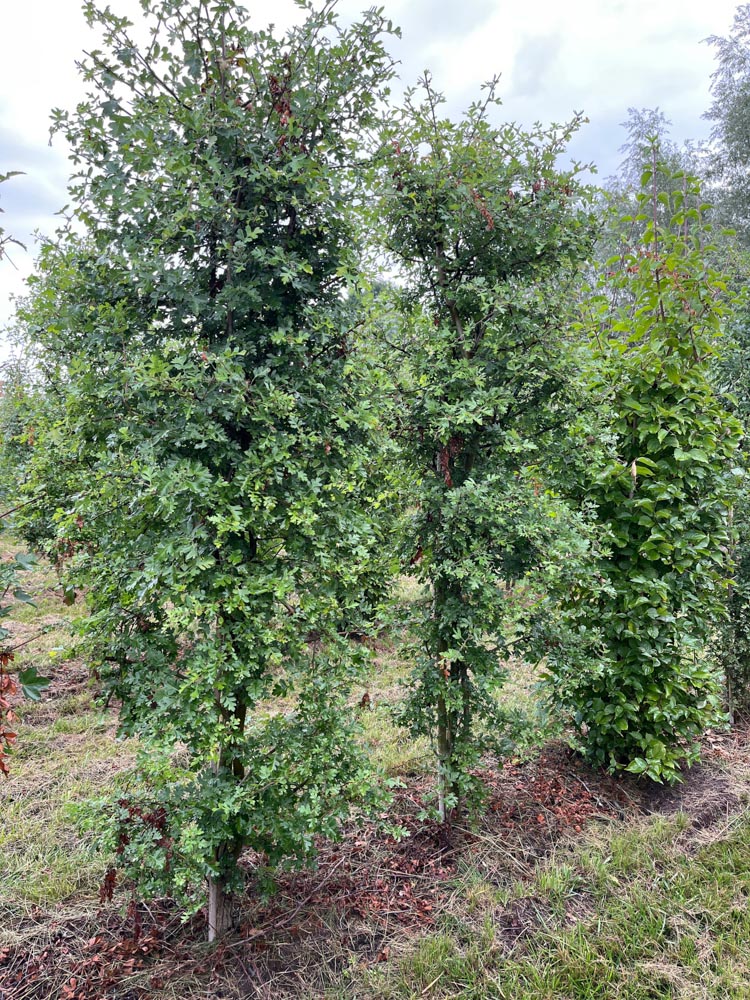
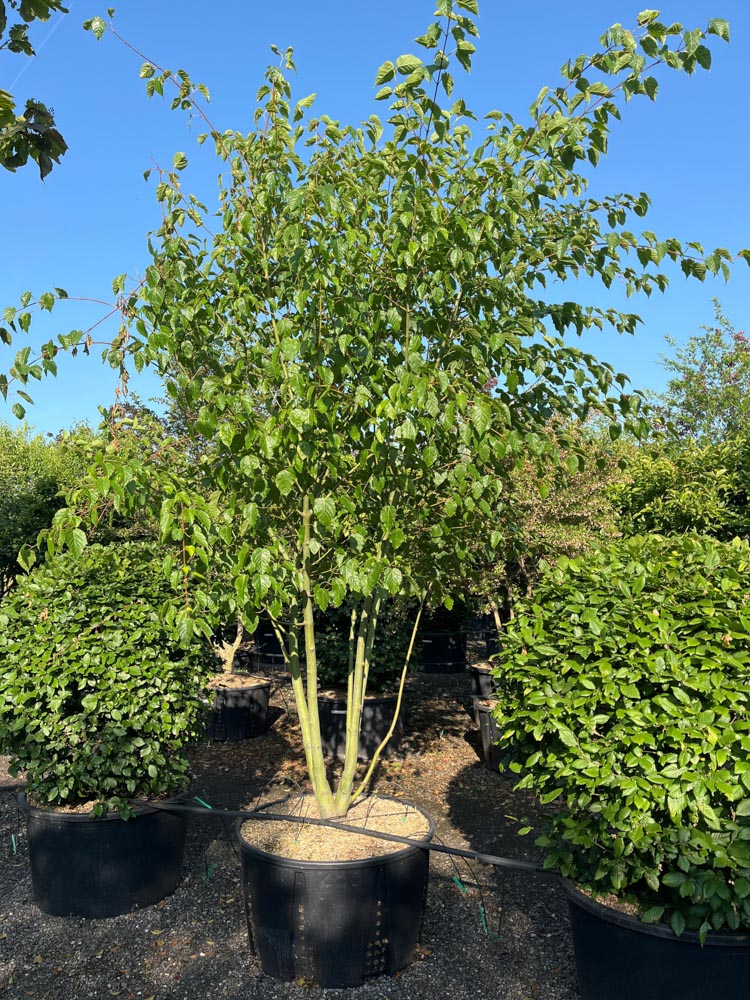
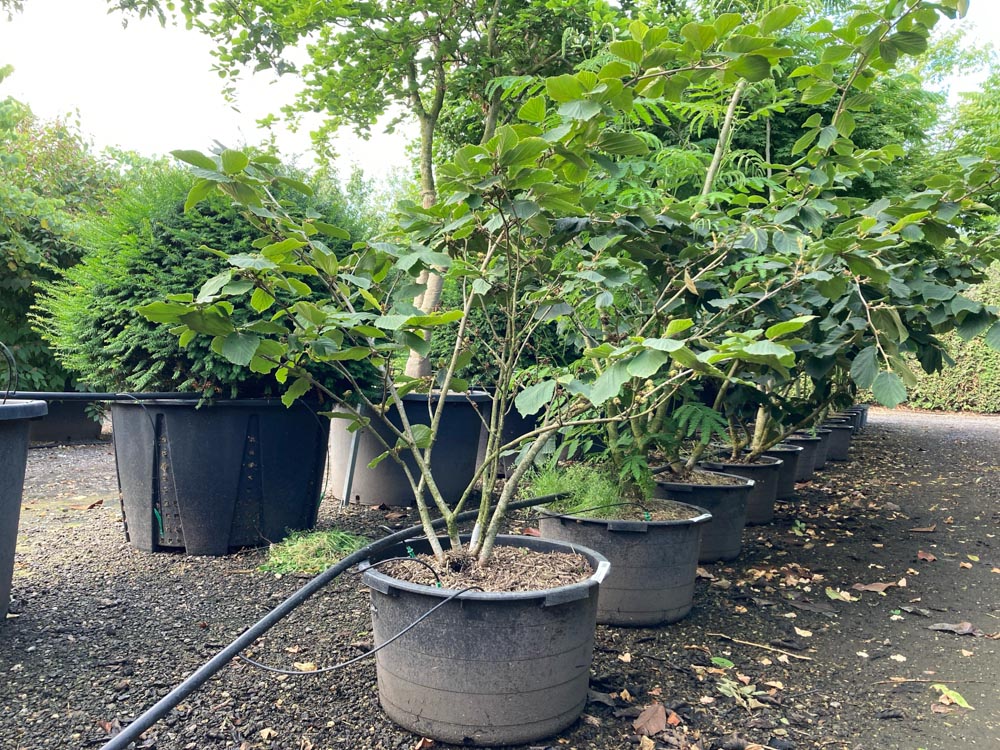
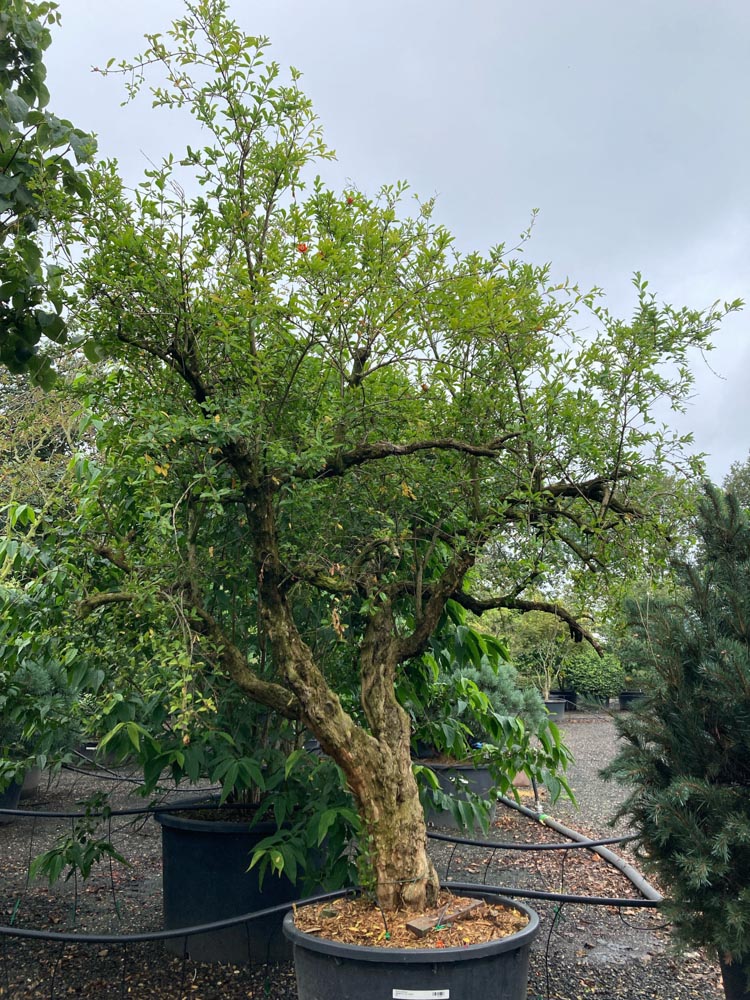
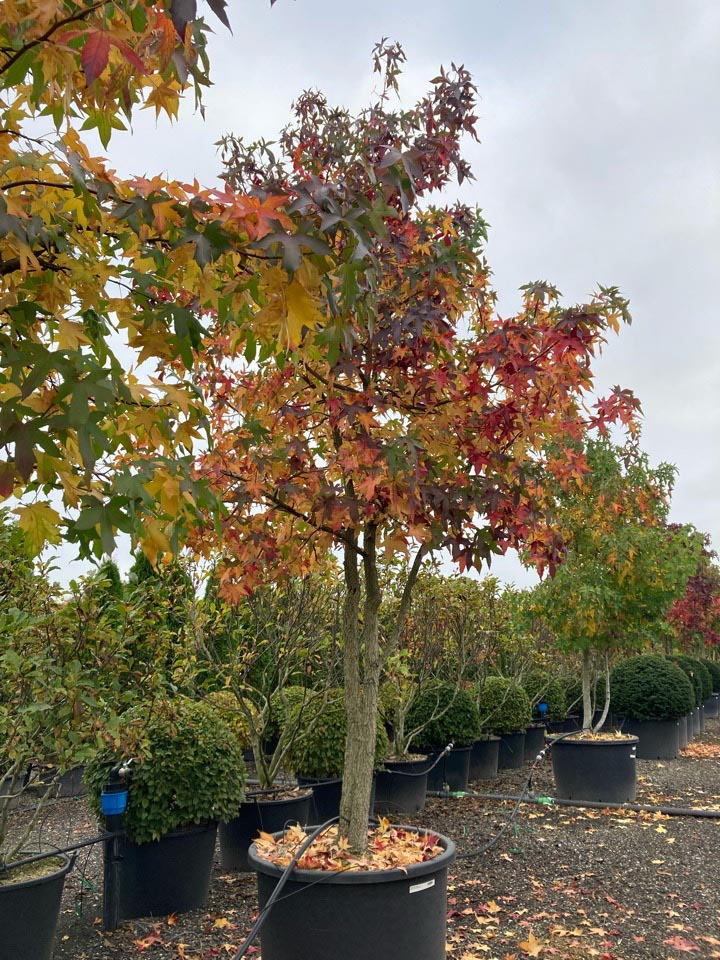
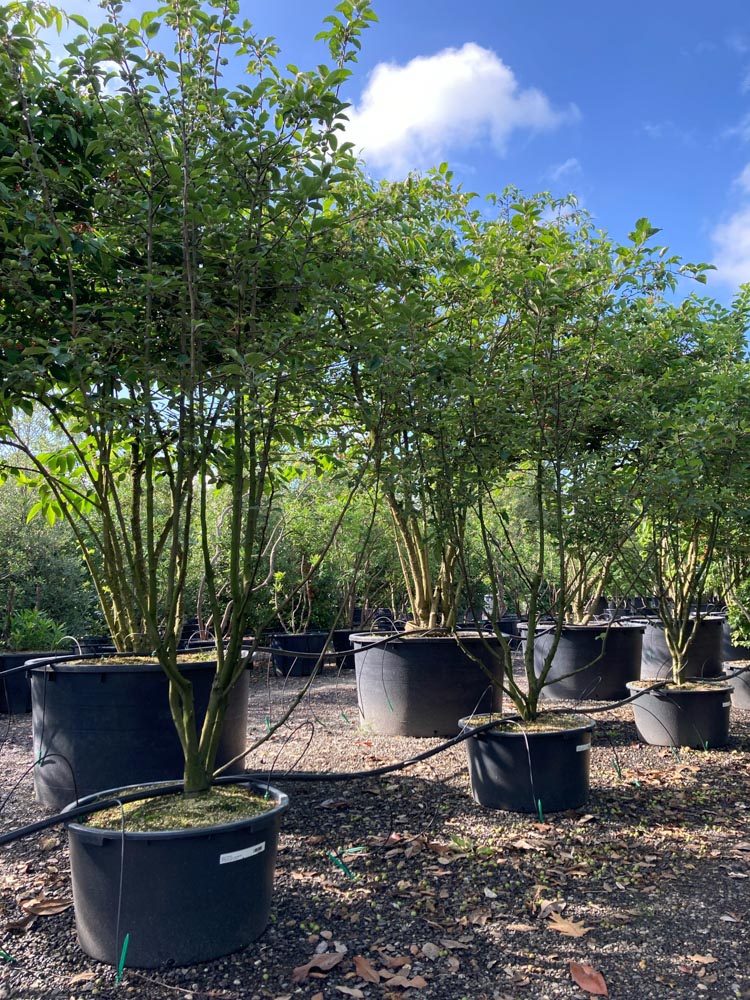
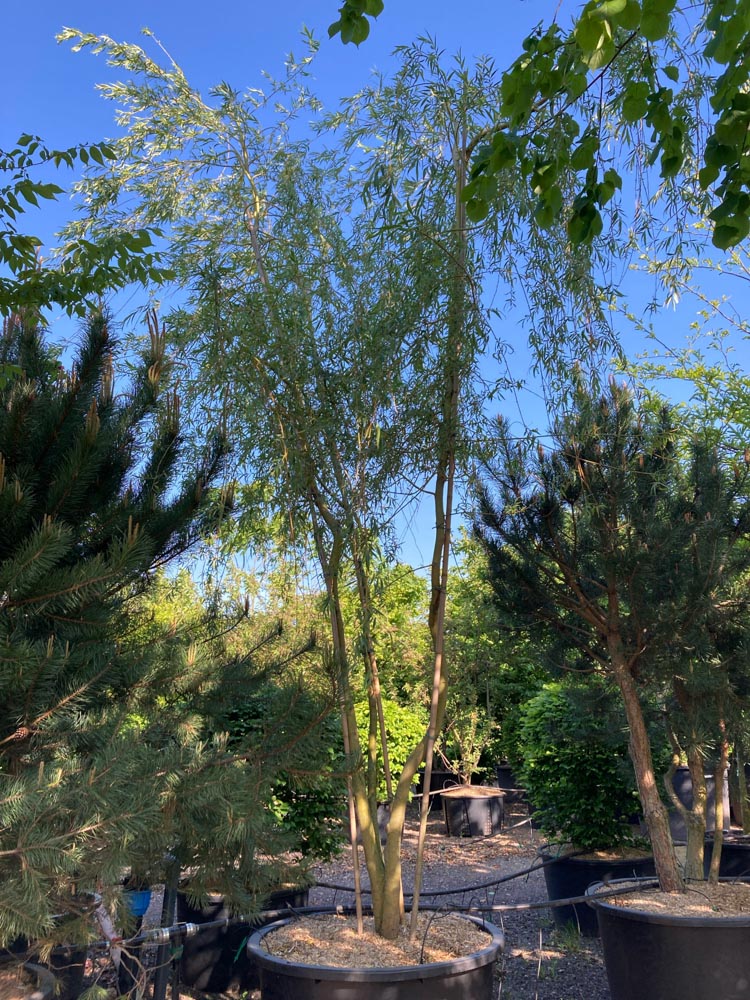
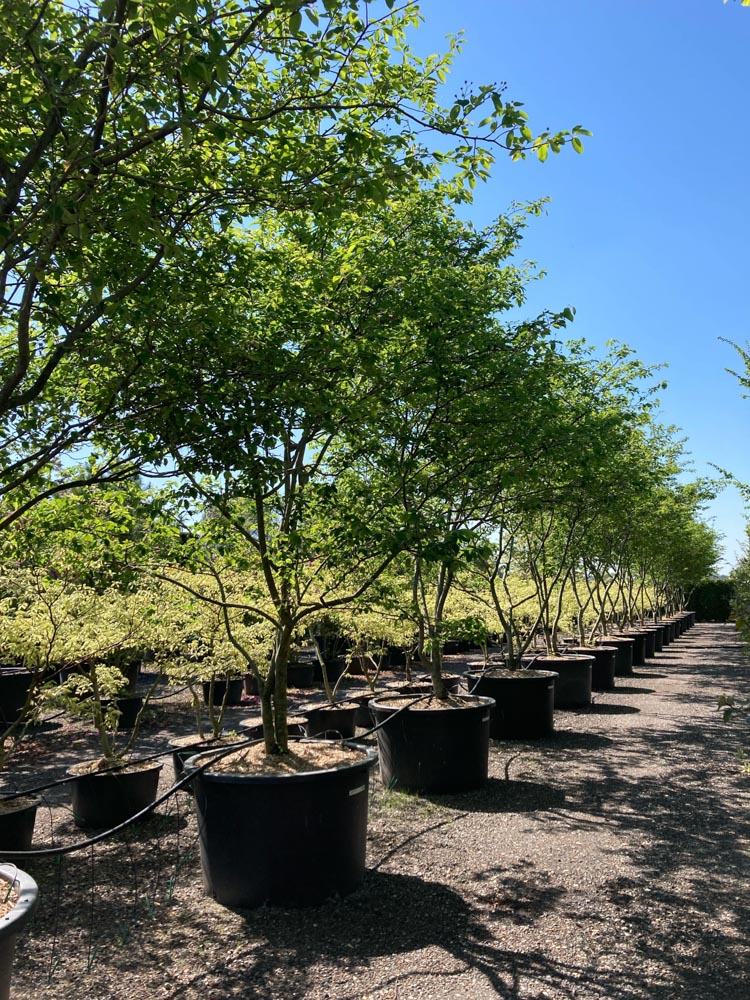
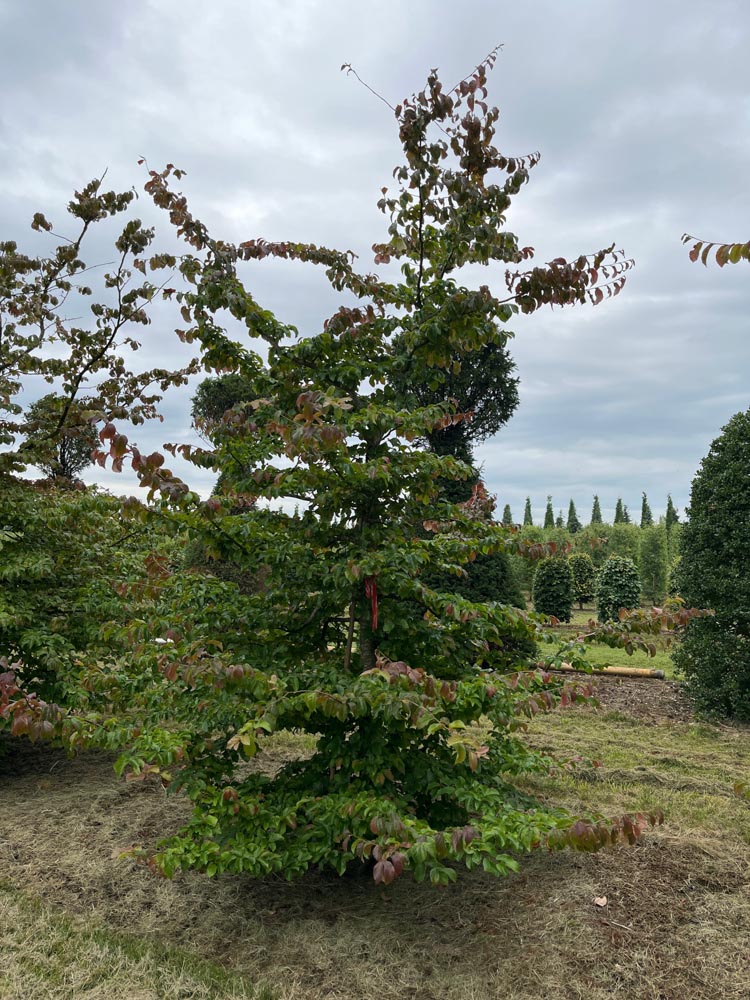
Mixed Hedging - mixed hedge - refers to a hedge composition concept where not one species but a mix of different native woody species is used to create a hedge or forest edge strip. This is botanically, ecologically and aesthetically a substantially different approach from the monotypic single-species hedge. A mixed hedge usually consists of a combination of native species such as hawthorn (Crataegus monogyna), blackthorn (Prunus spinosa), cardinal's hat (Euonymus europaeus), dog rose (Rosa canina), hedgehog (Rosa rubiginosa), hazel (Corylus avellana), elder (Sambucus nigra) and Gelderland rose (Viburnum opulus) - depending on the location and the desired effect. That species-rich mix gives an abiotically diverse hedge that is ecologically valuable. At Smits, the mixed hedge is available as a box quality of 150/200 centimetres in height. Aesthetically, a mixed hedge gives a more varied and naturalistic image than a monotypic hedge: variety in leaf shape, flowering colour, fruit colour and autumn colour creates a lively, seasonally changing image. In spring, there is a mix of flowering colours from white to pink. In summer, an alternation of leaf textures. In autumn, a palette of red, orange and yellow with rich berries and fruits. In winter, the thorny branch structure provides screening and protection. Ecologically, mixed hedges are particularly valuable: they provide a habitat and food source for dozens of bird species, insects and small mammals. As an ecosystem service, the mixed hedge is unrivalled in garden and green design practice.

Application and location

Mixed Hedging is ideally suited to rural gardens, estates, farmyards, parks and nature gardens. Mixed hedging provides ecological added value, species diversity and a varied seasonal appearance that a monotypic hedge cannot offer. It thrives in full sun to semi-shade. It grows well on loam, clay and sand. The exact soil preference varies depending on the species in the mix. Winter hardiness is excellent. Available from Smits as a box quality of 150/200 centimetres in height.

Do you already know exactly what you need?

Every garden and every greenery project is different. Therefore, at Smits Arboriculture we do not make standard quotations, but we like to look together at what suits your wishes, planning and the character of the project.

our opinion

The properties below show the ideal conditions for a Mixed Hedging. They help choose the right species for your project, but may vary slightly from one garden or project to another.

the runners

This is a list of the most frequently selected products. Looking for a specific product? Visit contact with us and we will be happy to help you personally. 

Dimensions

Value

Delivery form

Feature

Photo

Height
150/200 cm
Coconut box
/

Is the image missing?
Mail to info@smitsbv.nl

Is the Mixed Hedging you are looking for not listed?

No worries. Chances are we still have the species you are looking for! Visit contact with us and we will be happy to help you. 

Every garden and every greenery project is different. Therefore, at Smits Arboriculture we do not make standard quotations, but we like to look together at what suits your wishes, planning and the character of the project.

Get inspired by our park, container field and the way trees and hedges come together in the design. Ideal for getting ideas for your next project.
Discover how gardeners and designers apply our greenery in high-quality garden and green space projects. From villa gardens to larger landscape projects.

FAQ

Frequently asked questions about Mixed Hedging

A mixed hedge consists of a mix of several native species rather than a single species. People choose it because of the higher ecological value - more species of insects, birds and small mammals - and the more varied aesthetic image with variation in flowering, fruit and autumn colour through the season.
A mixed hedge usually consists of native species such as hawthorn, blackthorn, cardinal's hat, dog rose, hazel, elder and Golden rose - in varying combinations depending on the location and desired ecological character. Smits supplies mixed hedging in a carefully composed mix.
Yes, when using thorny species like hawthorn and blackthorn, a mixed hedge is impenetrable to humans and large animals. That thorny branch structure also provides protection as a nesting site for small birds and small mammals.
A mixed hedge has a staggered flowering pattern over spring: blackthorn blooms as early as March-April, hawthorn follows in May, elder blooms later in June. This staggered flowering provides a long-term nectar source for bees and other pollinators.
A mixed hedge requires less rigorous maintenance than a monotypic hedge. Pruning can be done once a year after flowering - preferably in August, after the breeding season. A mixed hedge may also become more wild and irregular for maximum ecological value.
Most native species in a mixed hedge are deciduous. In winter, the hedge is bare but the thorny branch structure still forms an effective separation and provides protection as a shelter for birds and small animals.
The ecological value is considerable: berries and fruits as a food source for dozens of bird species, nectar and pollen for bees and hoverflies, shelter for small mammals and nesting habitat for several bird species. A 50-metre mixed hedge can support dozens of animal species.
At Smits, Mixed Hedging is available as box quality of 150/200 centimetres in height. This is plant material that already has a good volume and height and can immediately form a closed, functional hedge at the right planting distance.

See also