






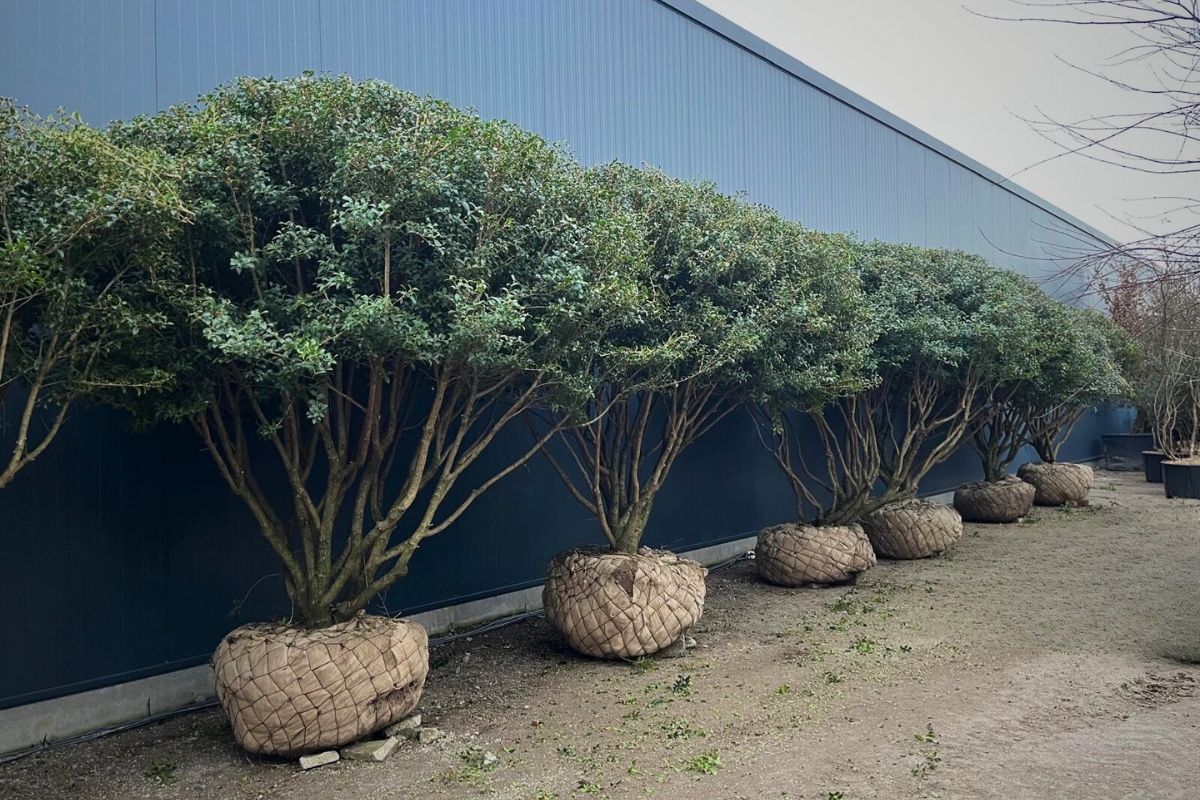
Planting instructions: the best method for successful planting

A successful planting starts with the right planting instructions. With the right preparation and precise execution, you ensure that trees and plants can develop optimally. In this guide, you will find practical steps for correct planting, including tips on planting hole preparation, the right planting height and sustainable solutions such as our cardboard boxes.

Plant hole preparation: the key to successful planting

Proper preparation of the planting hole is essential for healthy and strong growth of trees and hedging plants. By correctly sizing and filling the planting hole, you create the ideal conditions for optimal root development.

Optimal dimensions of the planting hole

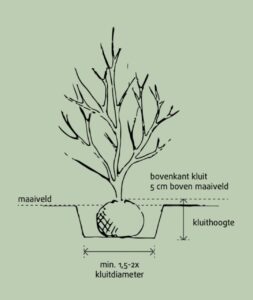
The planting hole should be 1.5 to 2 times the diameter of the root ball. This ensures sufficient loose soil around the rootball, allowing the roots to spread easily. Do not dig the planting hole deeper than the root ball to avoid subsidence and root problems.

Correct planting height for healthy growth

Place the top of the root ball at least 5 cm above the level of the surrounding soil. This prevents planting too deep, which can lead to root rot and poor growing conditions.
Correct handling when planting

Always handle plants carefully and lift them only by the root ball. Avoid lifting by the stem, as this can cause damage and therefore disrupt growth development.

Leave burlap and netting around the root ball

When planting, it is important to leave the burlap and netting around the root ball. These materials protect the roots and compost quickly in the soil without harmful effects.
Biodegradable box: sustainable and efficient alternative

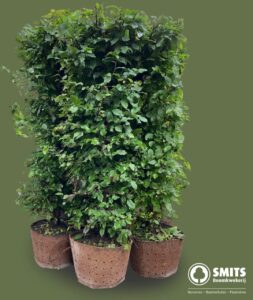
For our hedging plants, we offer an innovative box as an alternative to traditional burlap and mesh. This box offers several advantages:

  1. Easy straight hedge planting: Thanks to the shape of the box (flat bottom and straight sides), you effortlessly set the plants straight in the ground. This makes it easy to plant a straight hedge.
  2. Cost-efficient transport and planting: Smart packaging design saves costs on labour, transport and metres.
  3. Environmentally friendly: The box is 100% biodegradable and contributes to sustainable greenery.

Replenishing and compacting soil

After digging out the planting hole, fill it with soil and kick it in lightly. This prevents air pockets and provides a firm base in which the plant can take root well.

Essential aftercare for healthy growth

After planting, it is important to water the tree or hedge sufficiently, especially in the first growth period. Regularly check the humidity and firmness of the plant. With these comprehensive planting instructions, you will lay the foundation for healthy and long-lasting growth of trees and hedging plants in your garden or project.

Looking for comprehensive planting instructions? View these here.

FAQ

Frequently asked questions - Planting instructions & planting

A good planting starts with proper preparation of the planting hole, the right planting height and careful handling of the plant. By creating enough space around the root ball and avoiding air pockets, you give roots a chance to develop properly.

The planting hole should be about 1.5 to 2 times as wide as the root ball. This creates sufficient loose soil in which the roots can spread. The planting hole should not be deeper than the root ball to avoid subsidence.

Ideally, place the top of the root ball at least 5 cm above the surrounding ground level. This prevents the plant from getting too deep, which can lead to root rot and growth problems.

Should burlap and netting around the root ball be removed?

Aftercare is essential for successful planting. Water sufficiently immediately after planting and regularly check the humidity and stability of the plant in the first period. This is how you lay the foundation for healthy, long-term growth.

All blog articles

Curious about what else we have to say?