Hedging plants
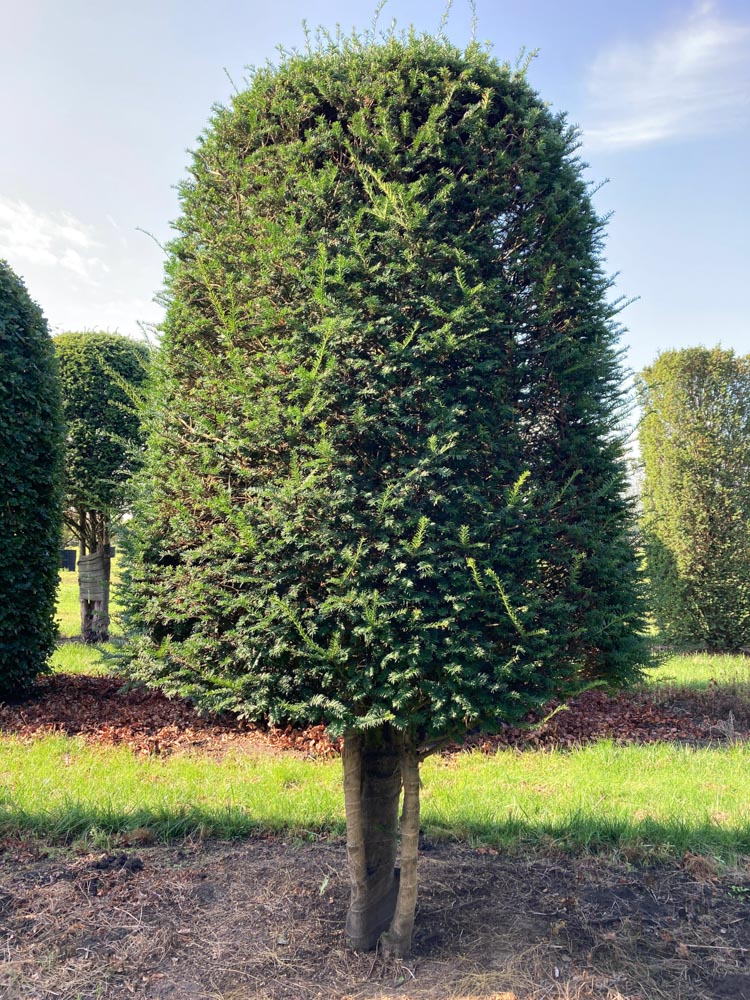
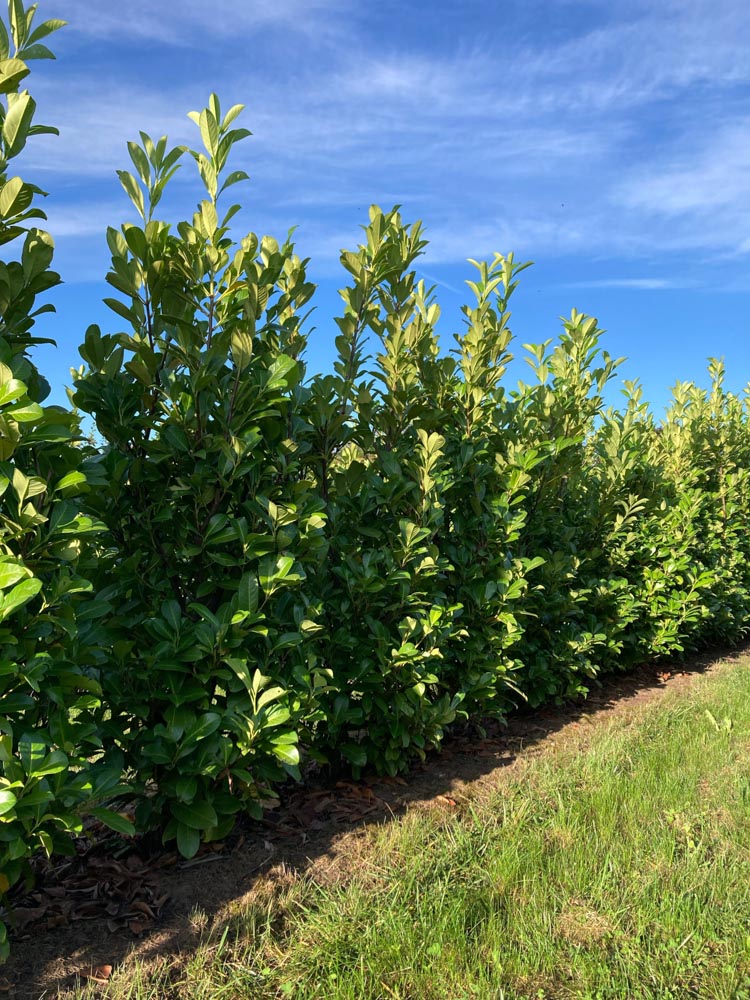
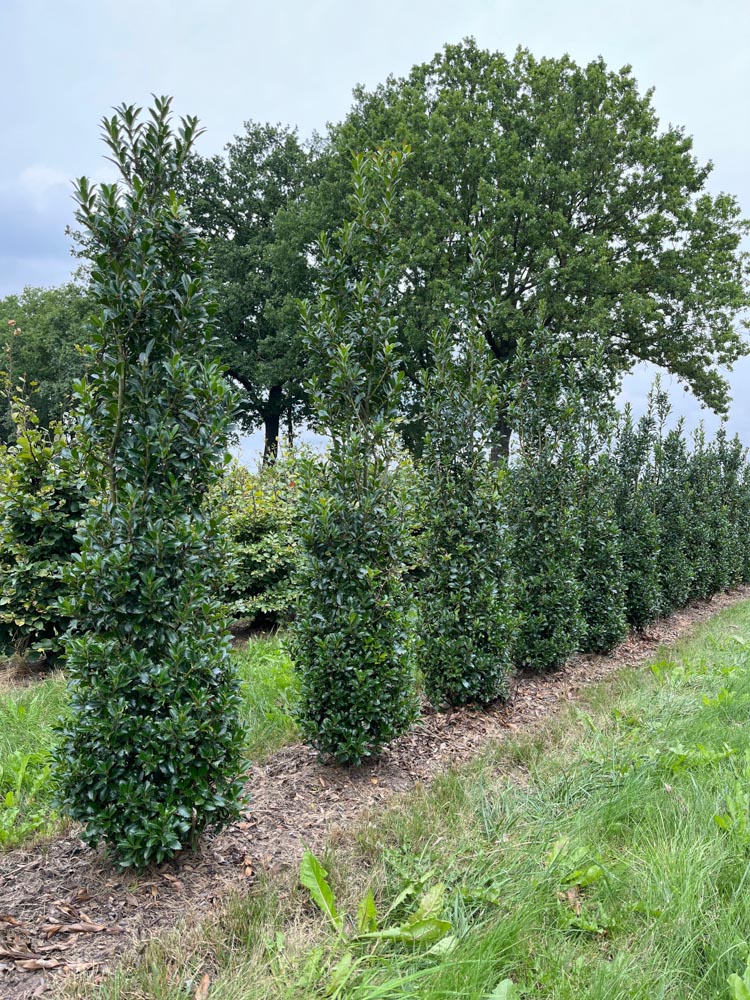
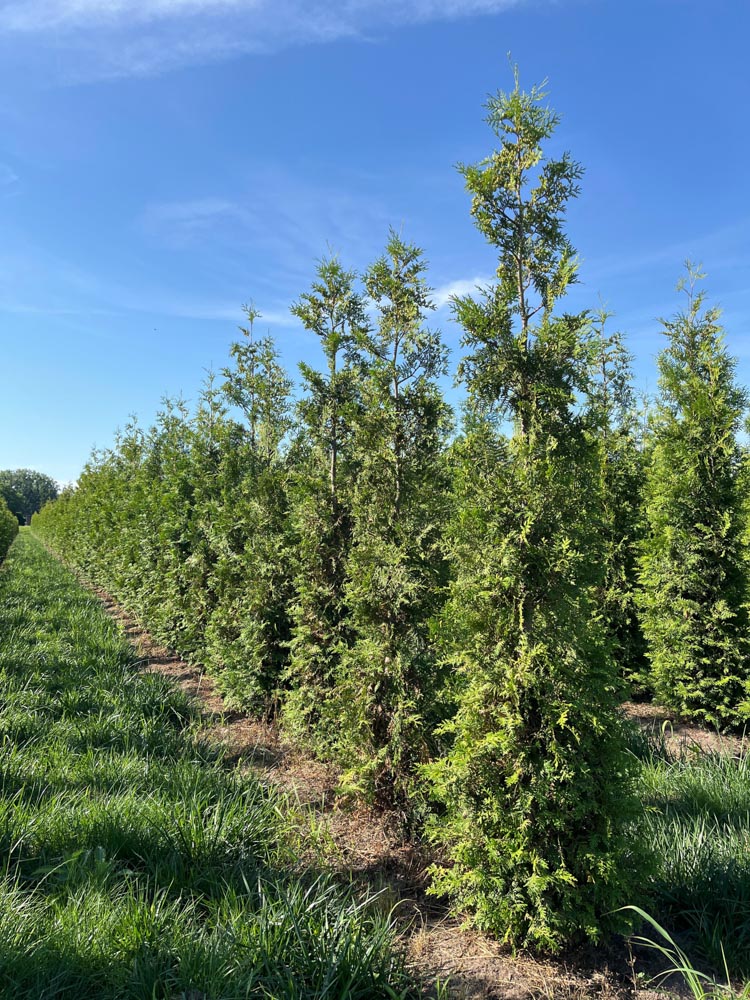
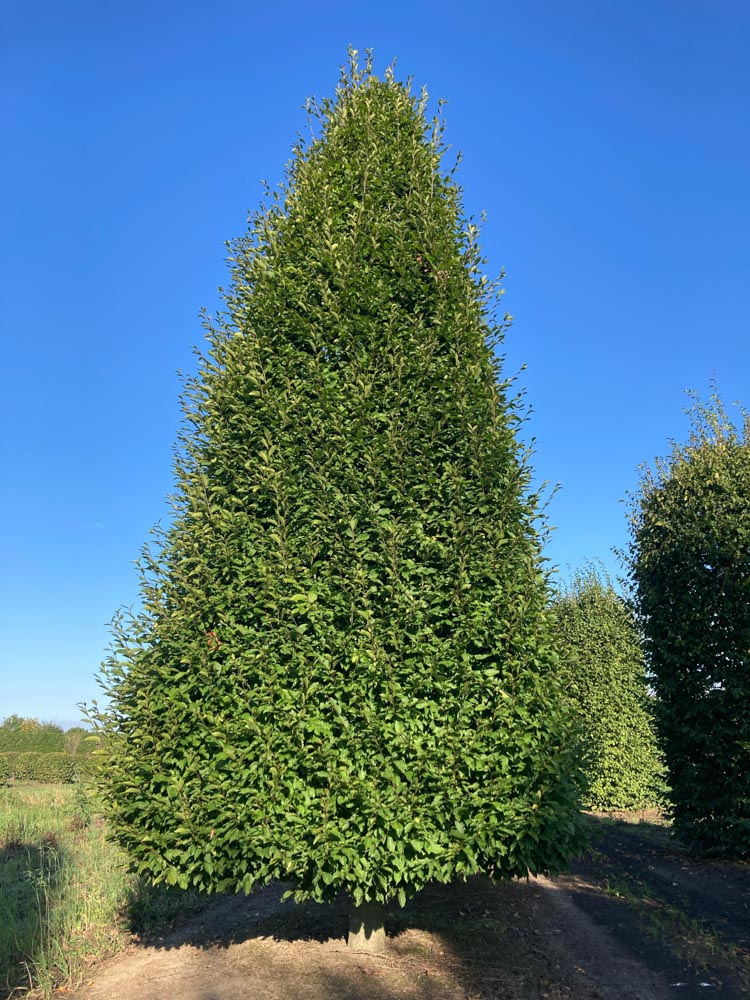
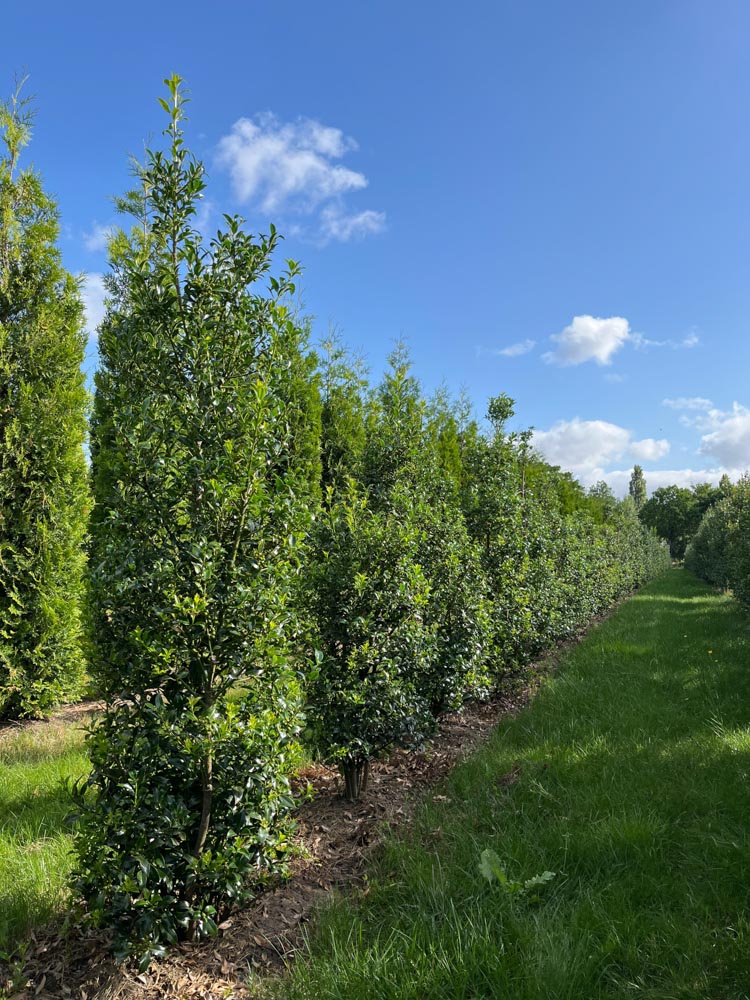
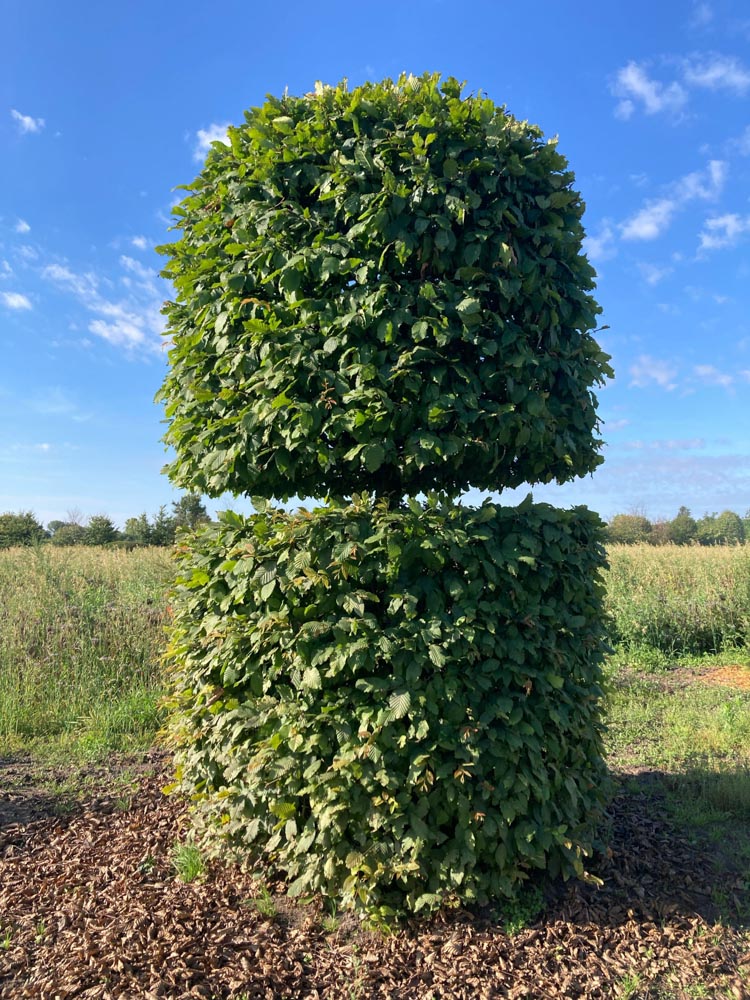
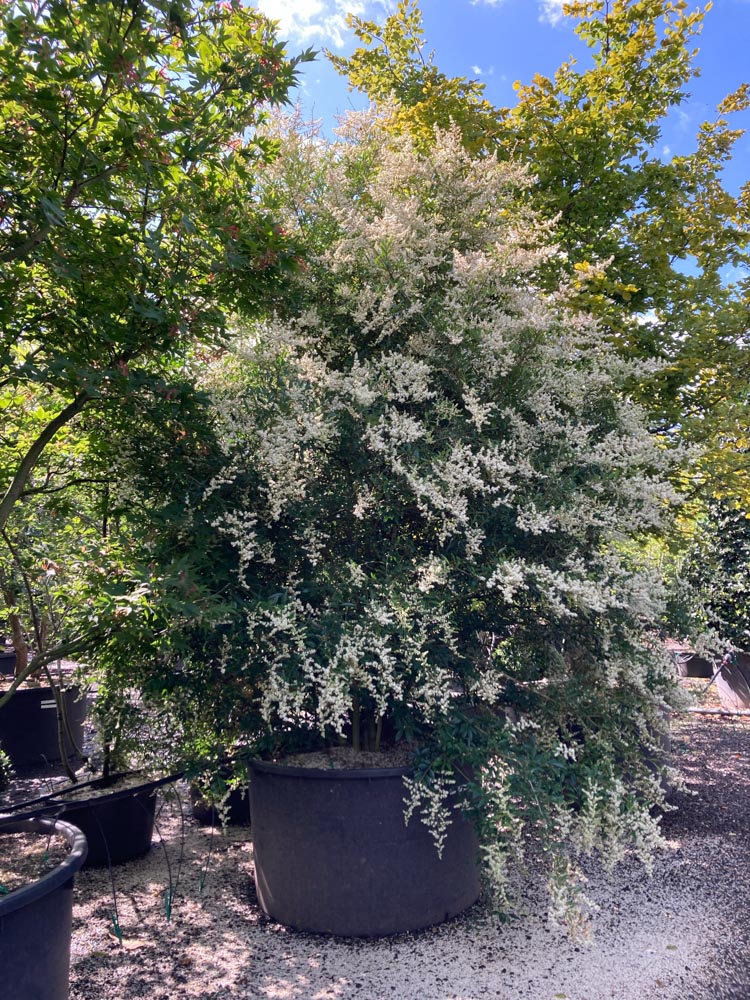
Hedges form the backbone of a garden or park. They mark boundaries, strengthen sightlines and provide privacy and tranquillity. From tight formal hedges to more natural green walls, hedging plants largely determine the look of an outdoor space.
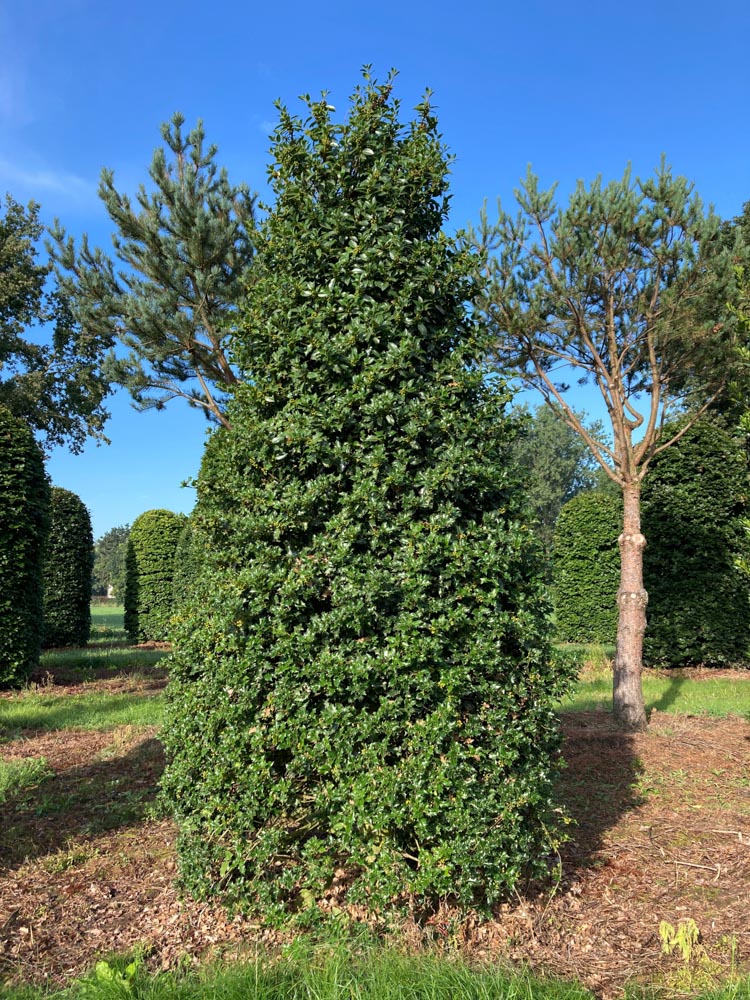
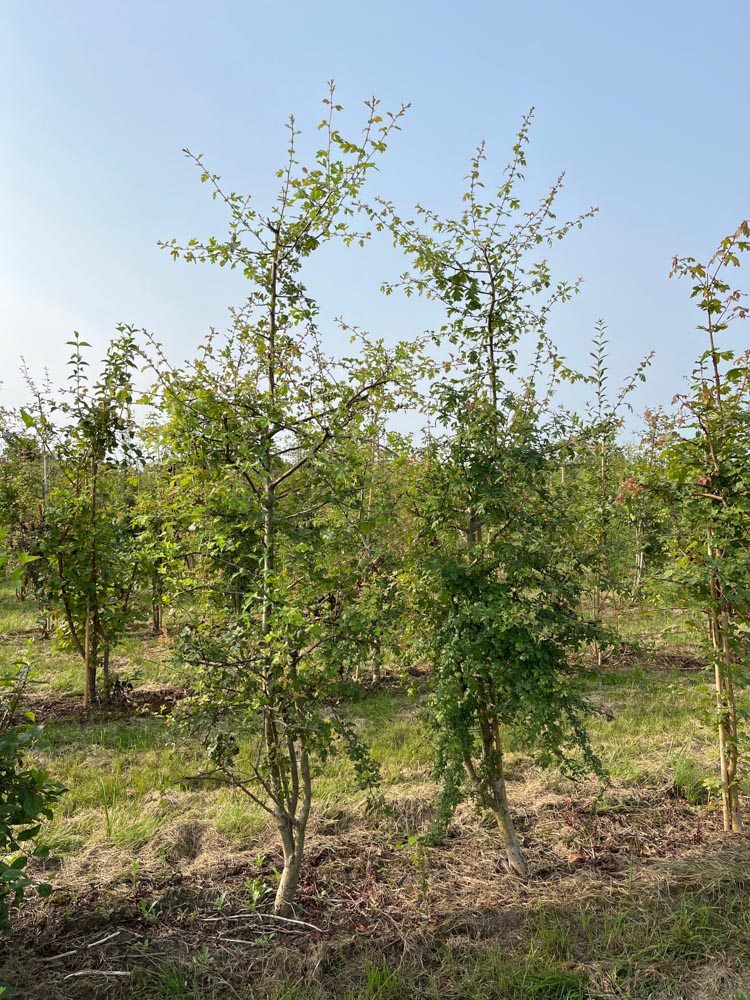
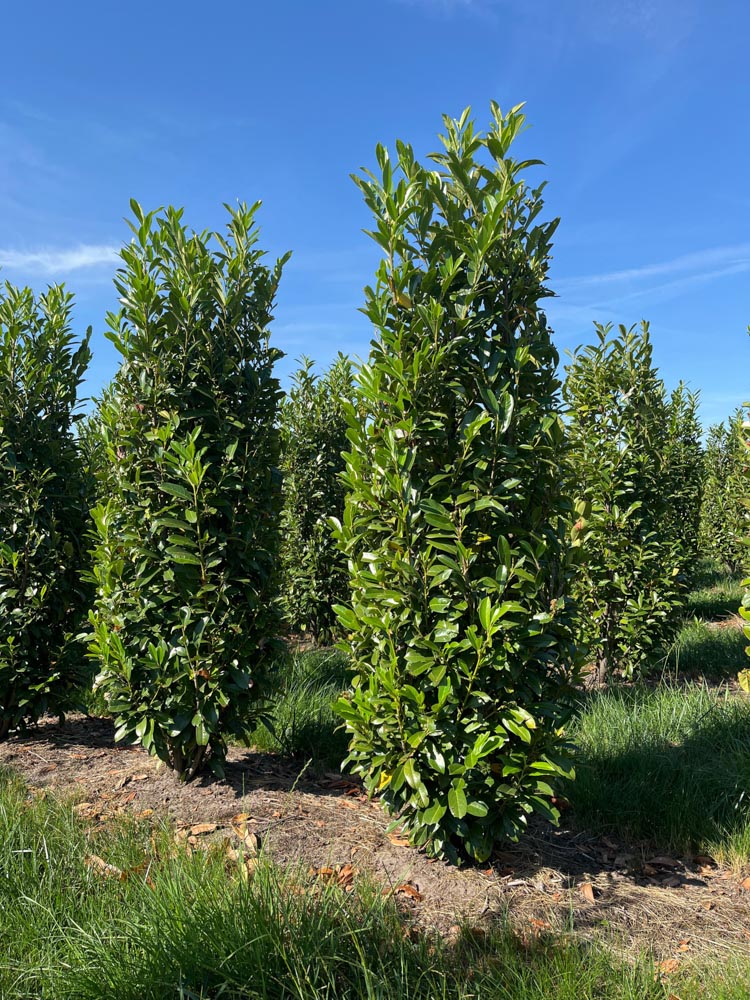
Smits Nursery is big in hedging plants. We offer a wide range in different species, sizes and delivery forms, suitable for both city and park gardens and large-scale green projects. Thanks to our method of cultivation, we deliver strong, well-rooted plants that quickly form a closed hedge.

Hedges as the foundation of design
- Prunus laurocerasus 'Genolia'
- Prunus laurocerasus 'Rotundifolia'
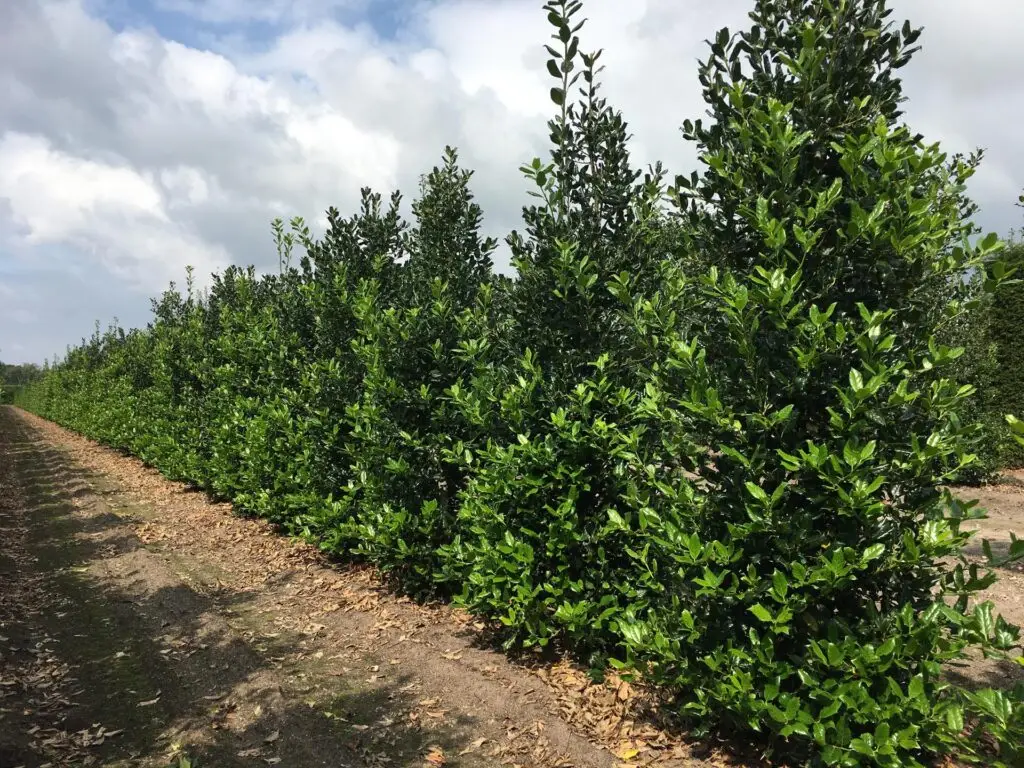
- Ilex meserveae 'Heckenstar'
- Fagus sylvatica 'Atropunicea'
- Prunus laurocerasus 'Novita'
- Ilex 'Nellie R. Stevens'
- Ilex aquifolium
- Ilex maximowicziana 'Kanehirae'
- Osmanthus burkwoodii
- Osmanthus heterophyllus
- Ligustrum vulgare 'Atrovirens'
- Prunus lusitanica 'Angustifolia'
- Ligustrum vulgare 'Atrovirens'
- Ilex 'Nellie R. Stevens'
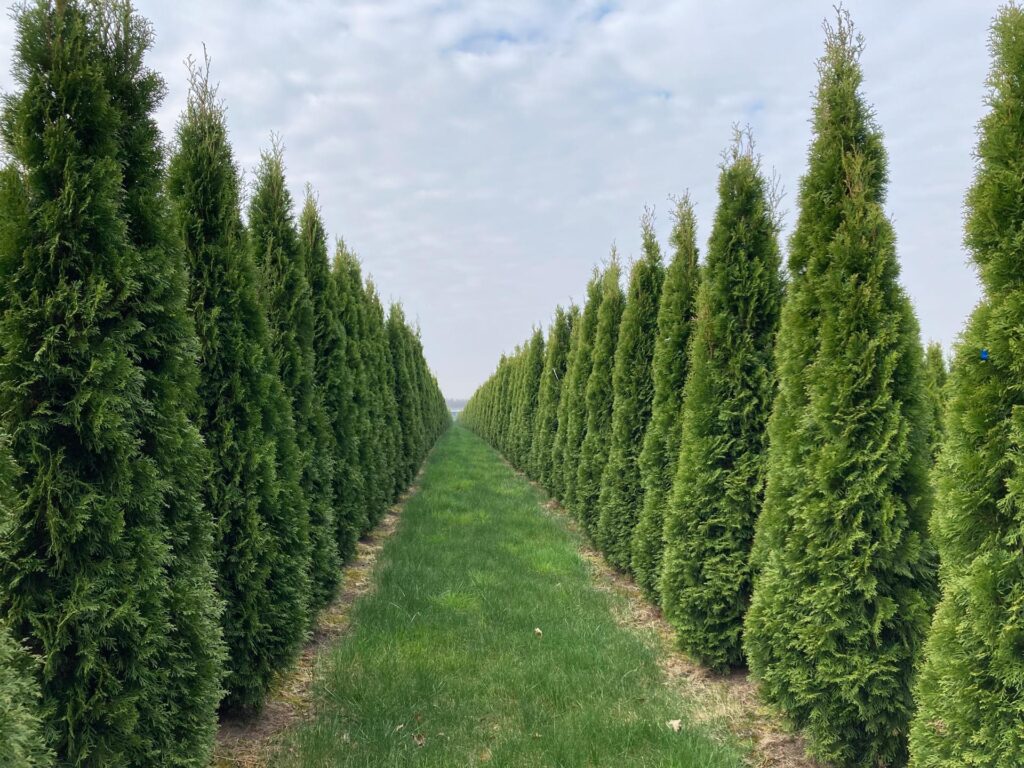
- Taxus baccata
- Taxus baccata
- Taxus baccata
- Taxus baccata
- Taxus baccata
- Taxus baccata
- Fagus sylvatica 'Atropunicea'
Types of hedging plants
Hedging plants in different varieties
Each hedge plant has its own character, growth rate and appearance. Some species create a sleek and formal image, while others give a softer, more natural look. By choosing the right species, the hedge perfectly matches the design and function of the outdoor space.
Our range offers design freedom for a variety of projects, from classic to modern.
Most popular species
- Taxus baccata venison
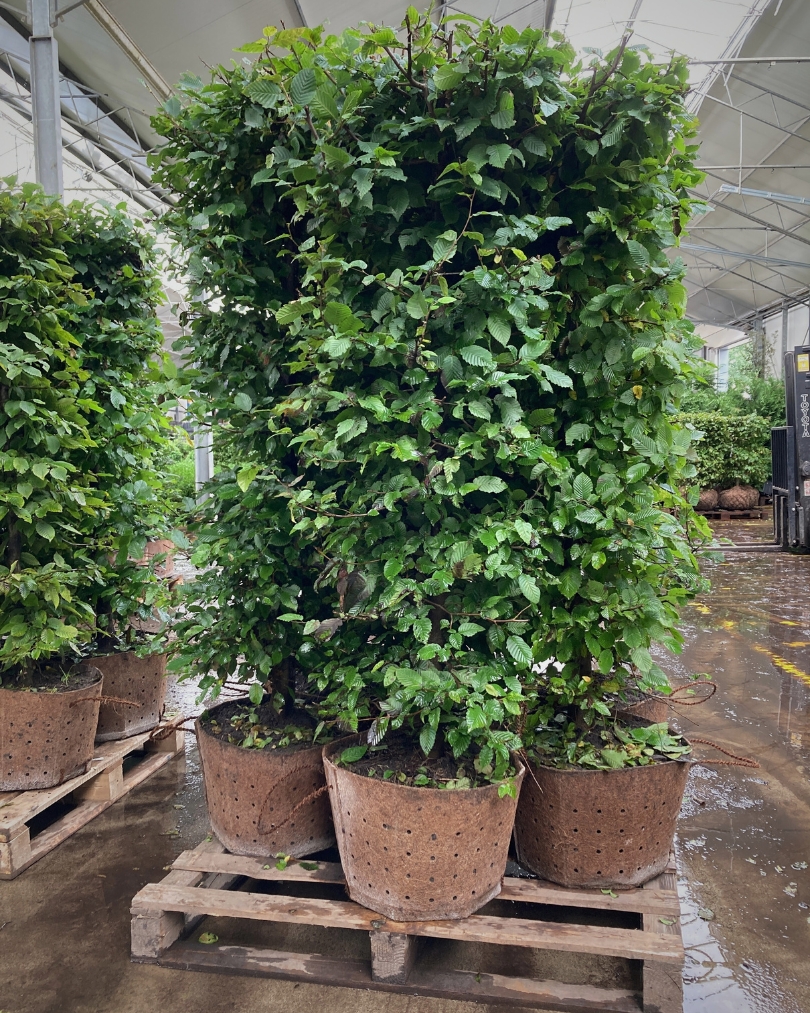
- Carpinus betulus hornbeam
- Fagus sylvatica Beech
- Acer campestre Field maple
- Ilex species Holly
- Boxwood Boxwood
- Ligustrum species Privet
- Prunus laurocerasus Common laurel
- Prunus lusitanica Portuguese laurel
- Osmanthus burkwoodii Mock holly
- Photinia × fraseri ‘Red Robin’ Glossy spruce
Range of hedging plants
Our hedging plants
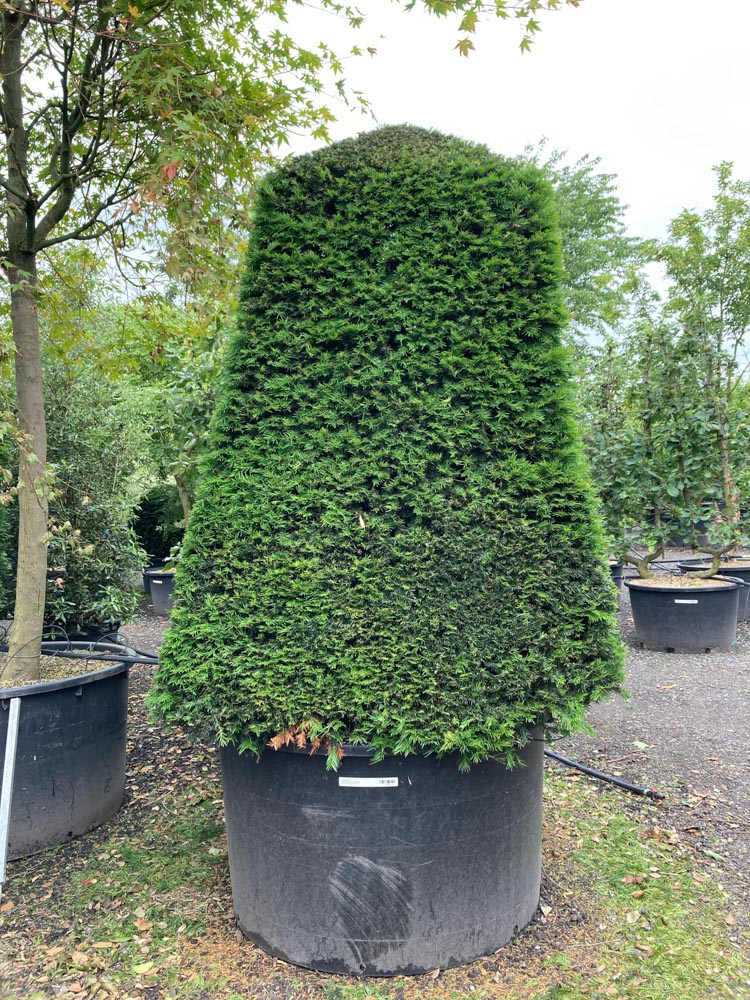
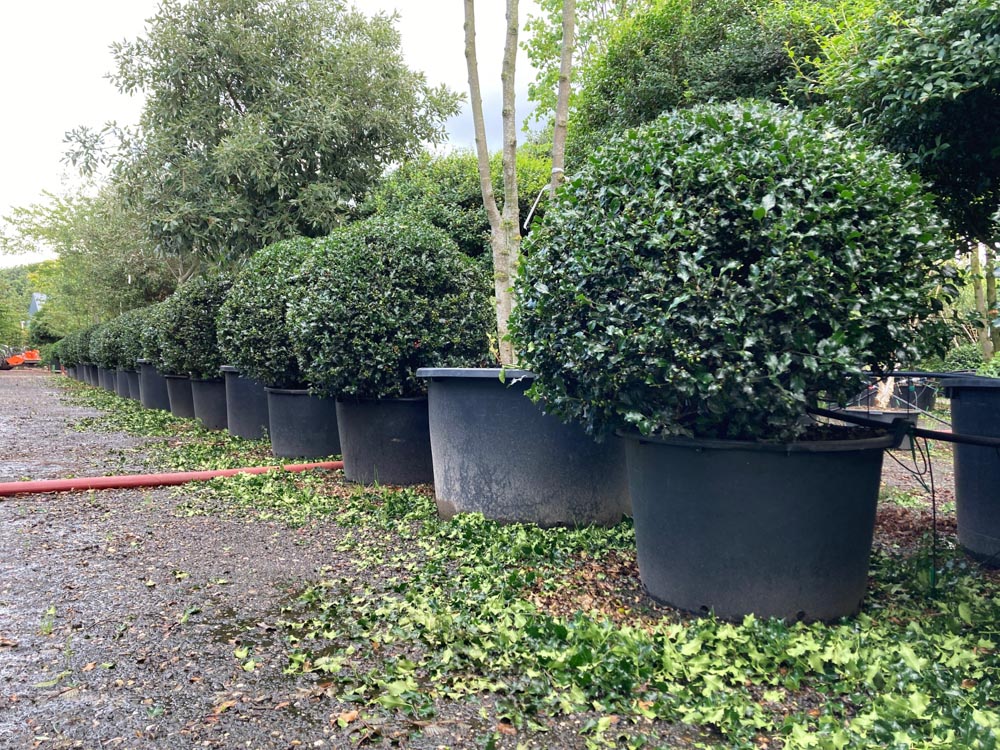
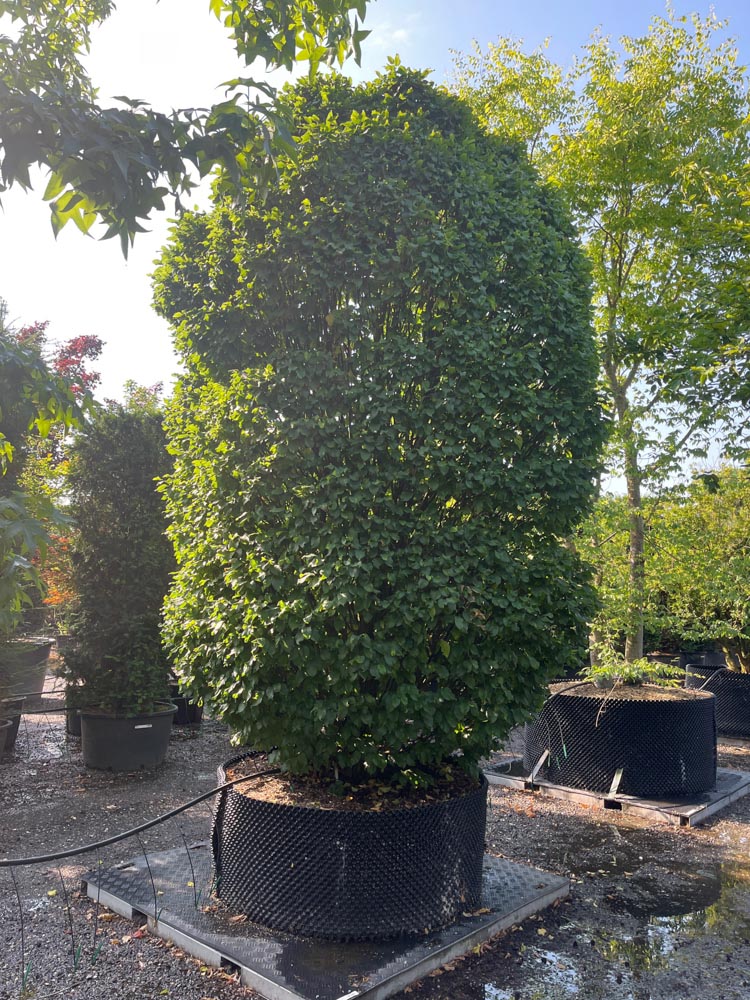
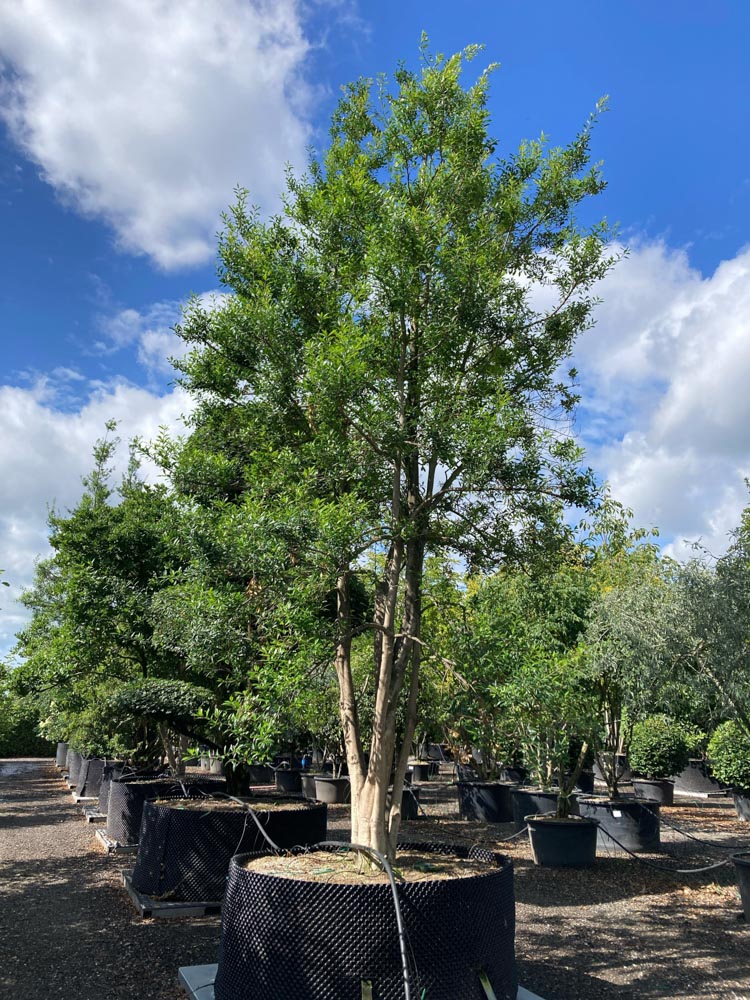
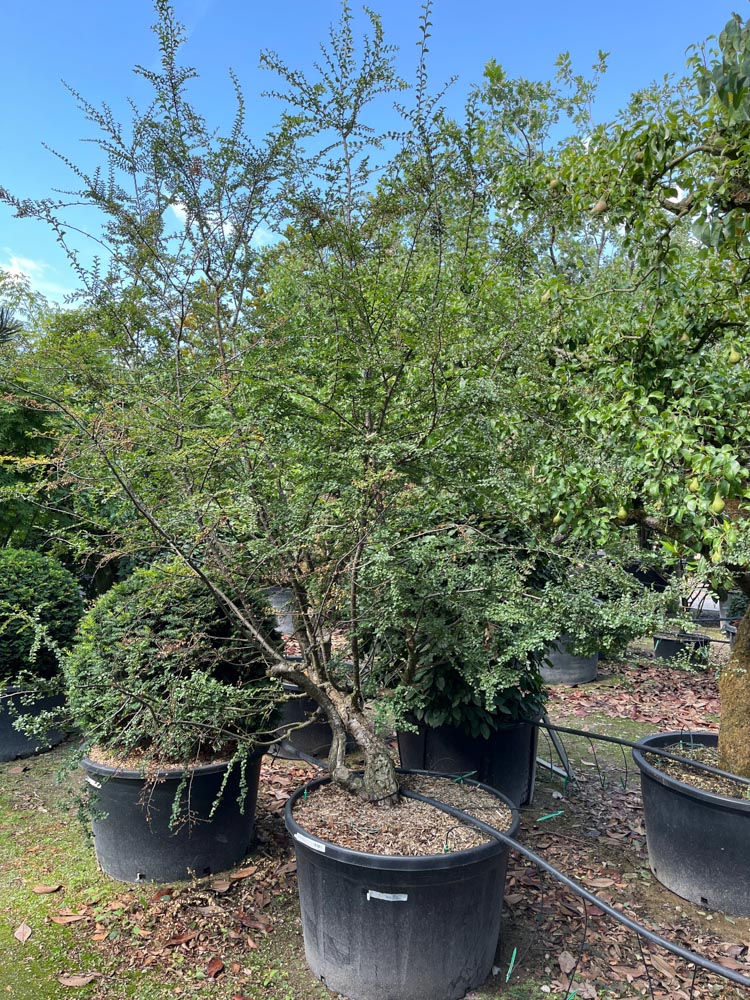
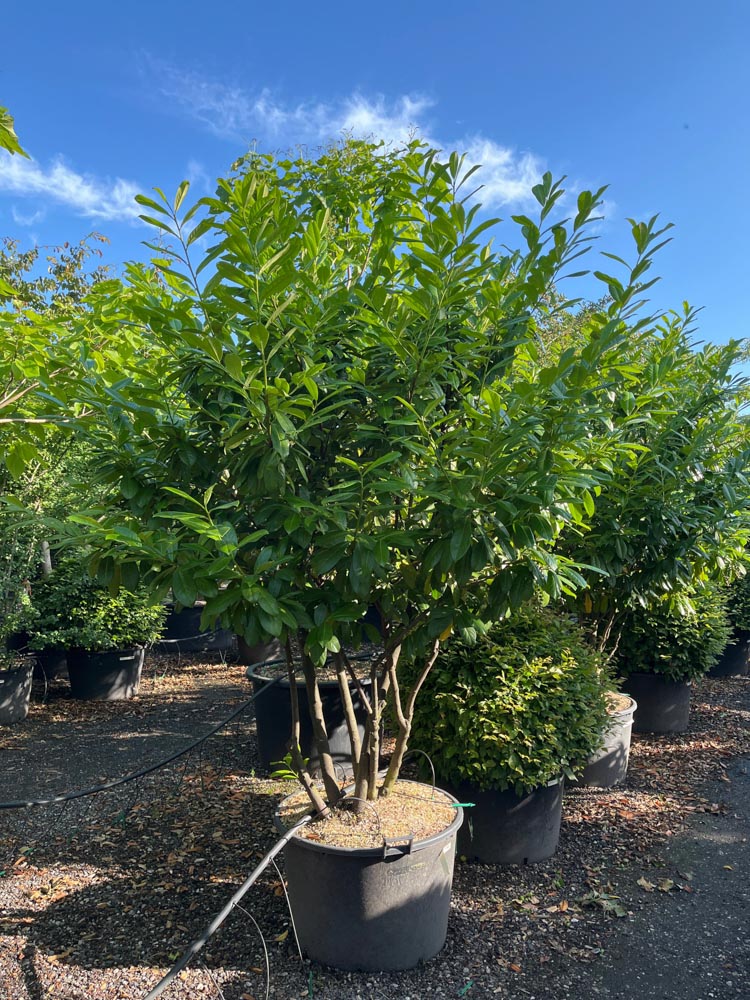
Our hedging plants are grown with care in open ground and on containers. During the planting season (roughly from September to May), we deliver the plants with a strong wire root ball or in a biodegradable coconut box. Outside the planting season, containerised hedging plants are available, offering extra flexibility in planning and execution.
In consultation, we can prepare hedges at the nursery for summer delivery. This way, delivery and planting fit seamlessly into the project.
Why hedging plants
Structure, privacy and sustainability
Hedging plants are indispensable in garden and landscape designs. They provide shelter, dampen noise and create clear spaces within a design.
Hedging plants are widely used for:
- fences and plot boundaries
- sight and wind protection
- green structures in gardens and parks
Maintenance varies by species, but is generally manageable. Some species require regular pruning for a clean look, others grow more quietly and retain their shape longer. Most hedging plants grow well in sun to semi-shade and have average water requirements.
Options
Delivery forms and applications
Hedging plants are available in various designs:
- with wire rootball from the soil
- in biodegradable box
- in container for annual planting
Depending on the design, the desired speed and the location, we are happy to advise on the right species, size and delivery form. The result is a hedge that suits the character of the project and lasts for a long time.
FAQ
Frequently asked questions about hedging plants
Which hedge plant suits my project best?
What is the difference between Yew, Beech and Hornbeam?
Can hedging plants be planted year-round?
How quickly does a hedge form a closed unit?
How high-maintenance are hedging plants?
Are hedging plants suitable for windy locations?
Which hedging plants are evergreen?
Can hedging plants be combined with hedging elements?
Can I preview and select hedging plants?
Why do professionals choose hedging plants from Smits?
Looking together at what fits your project?
Would you prefer to see the trees in real life first?
You are welcome to visit our nursery!