Pines

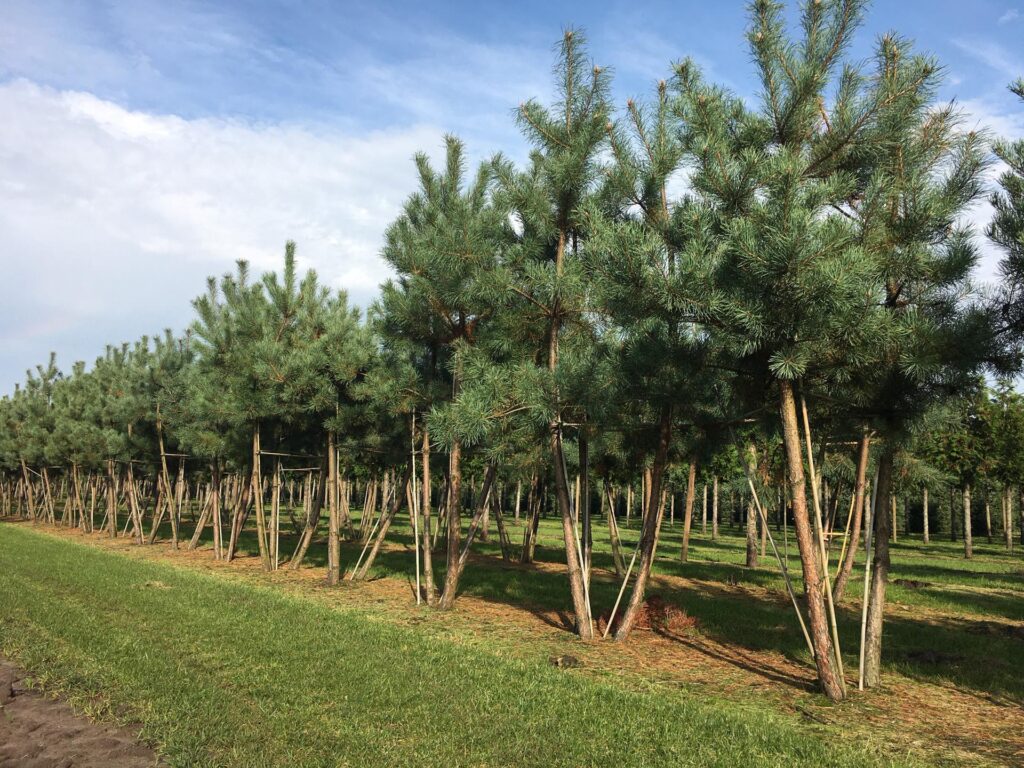
Pinus, also known as pines, are strong and hardy trees with a distinct character. They provide year-round structure and greenery and fit perfectly into both modern and landscape garden and greenery designs. Thanks to their needles and robust growth, Pinus trees have a look all their own.

At Smits Nursery, we supply various Pinus species in various shapes and sizes. From solitary to multi-stemmed, from parasol shape to shrub shape. Due to their versatility and reliability, Pinus trees are widely applicable within professional projects.


Strong, timeless and recognisable

Types of Pinus

Pinus in various species

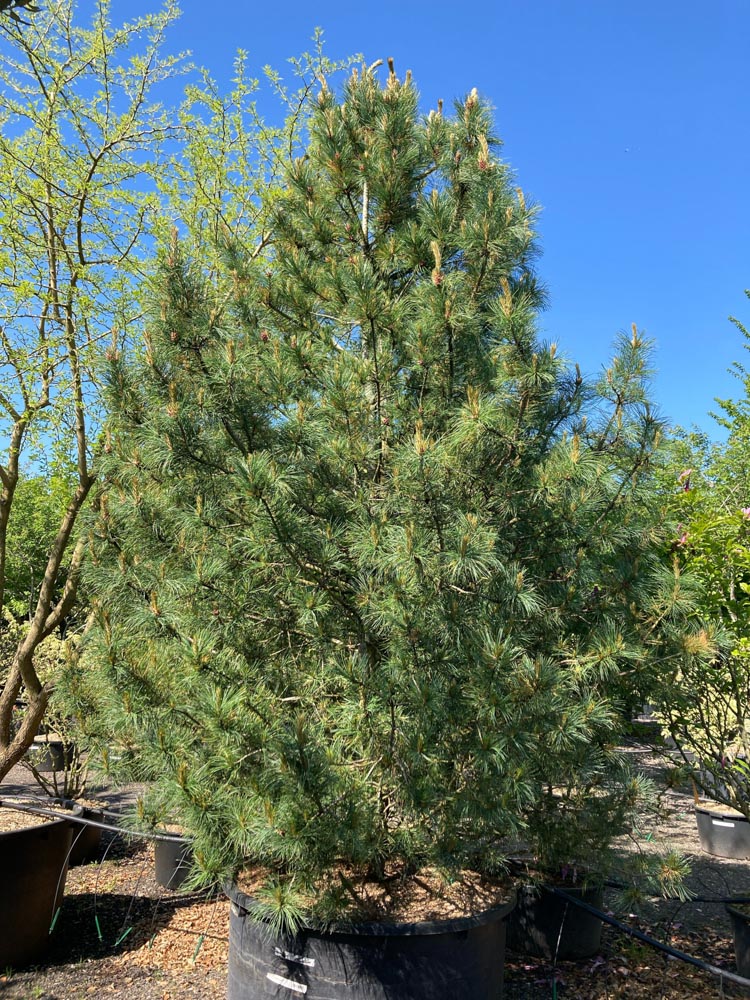
Pines belong to the conifers, but form a distinct group of their own. The main difference is that the needles of Pinus stand together in bundles of two to five. This gives Pinus trees their distinctive look.

Within our range, you will find Pinus species that are distinctive in shape, colour and application. This makes them suitable for a variety of designs, from urban gardens to park-like settings.

Most popular species

Range of Pinus

Our Pinus trees

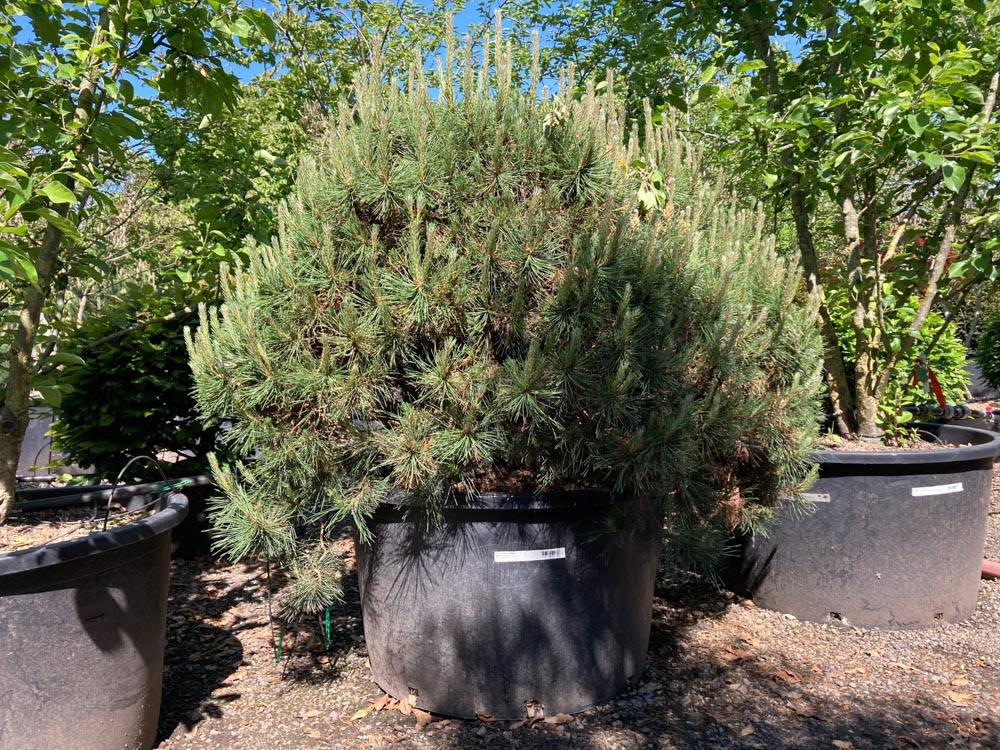
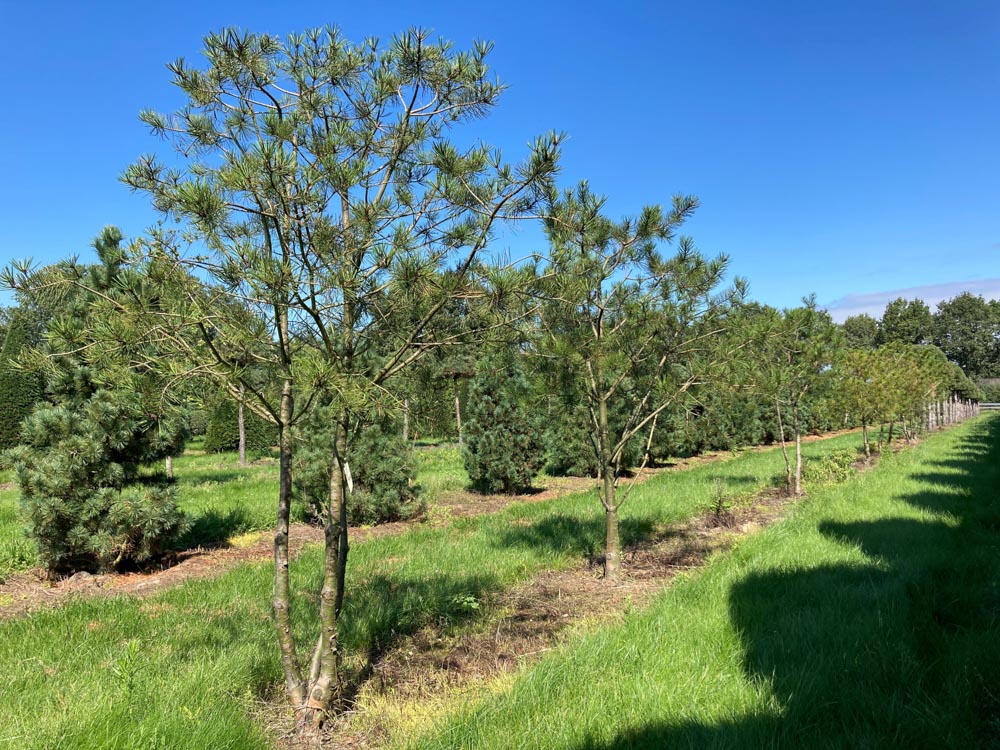
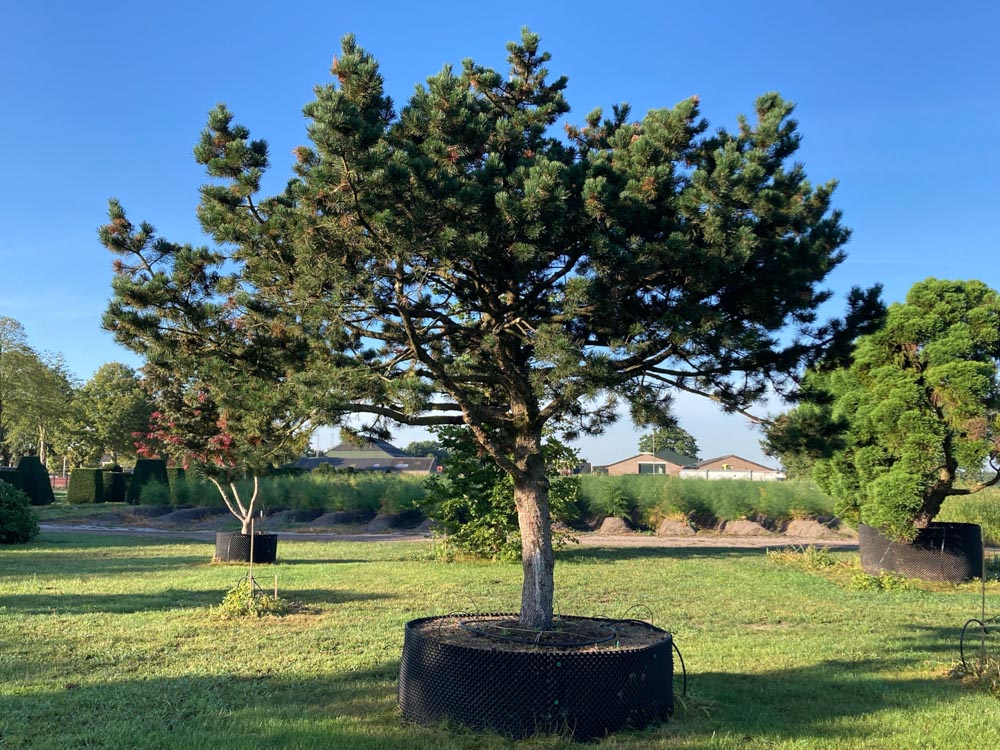
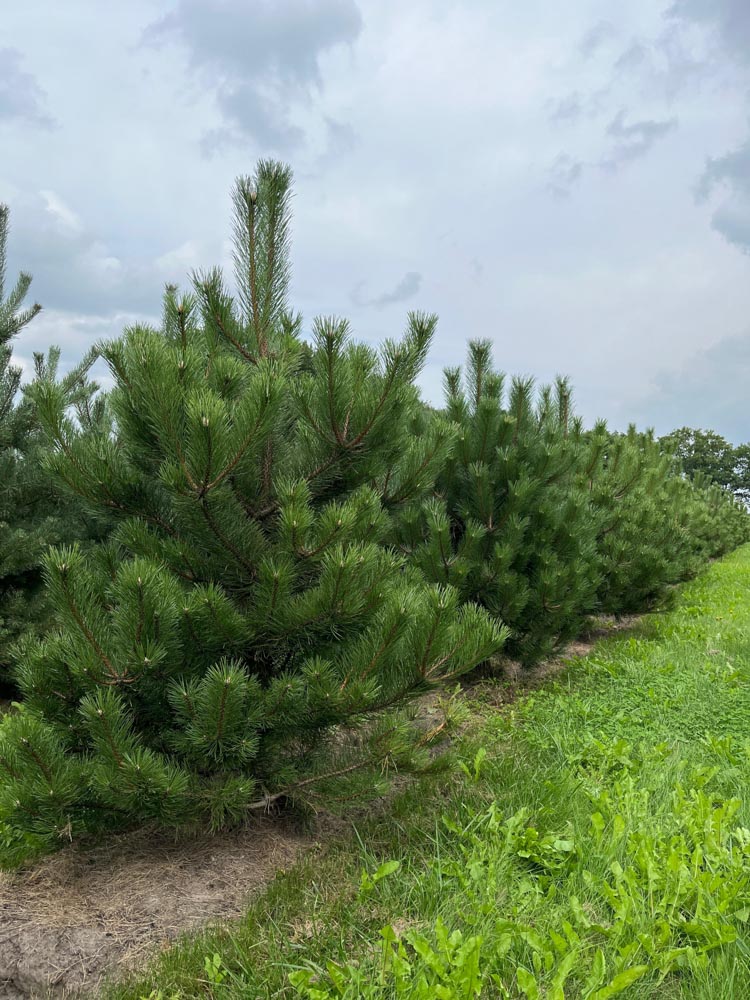
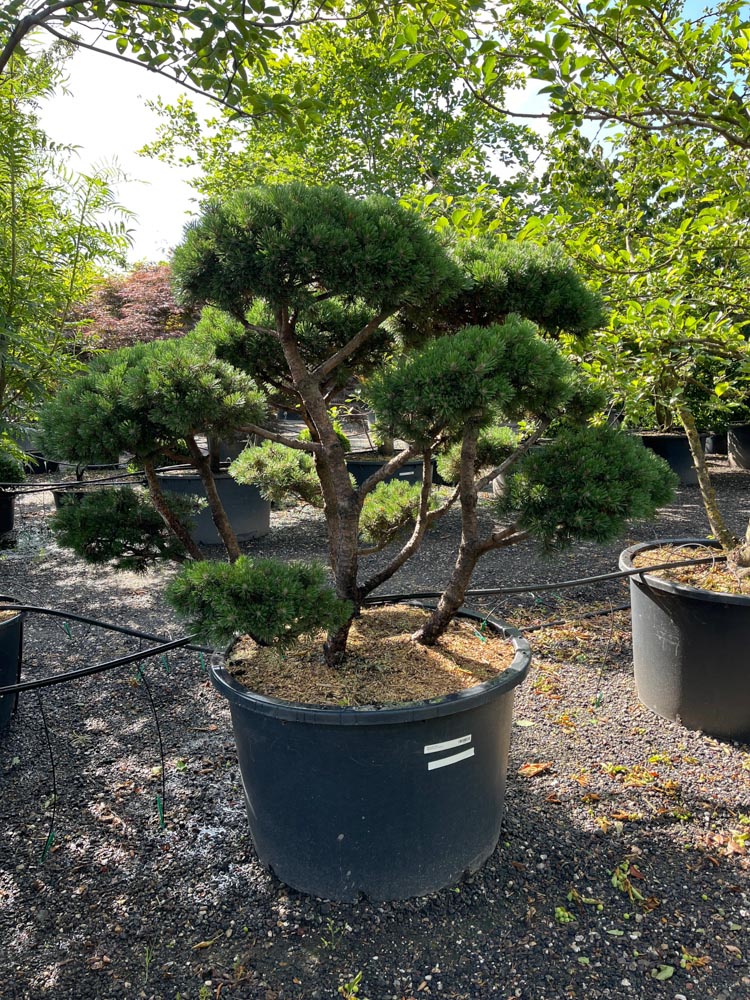
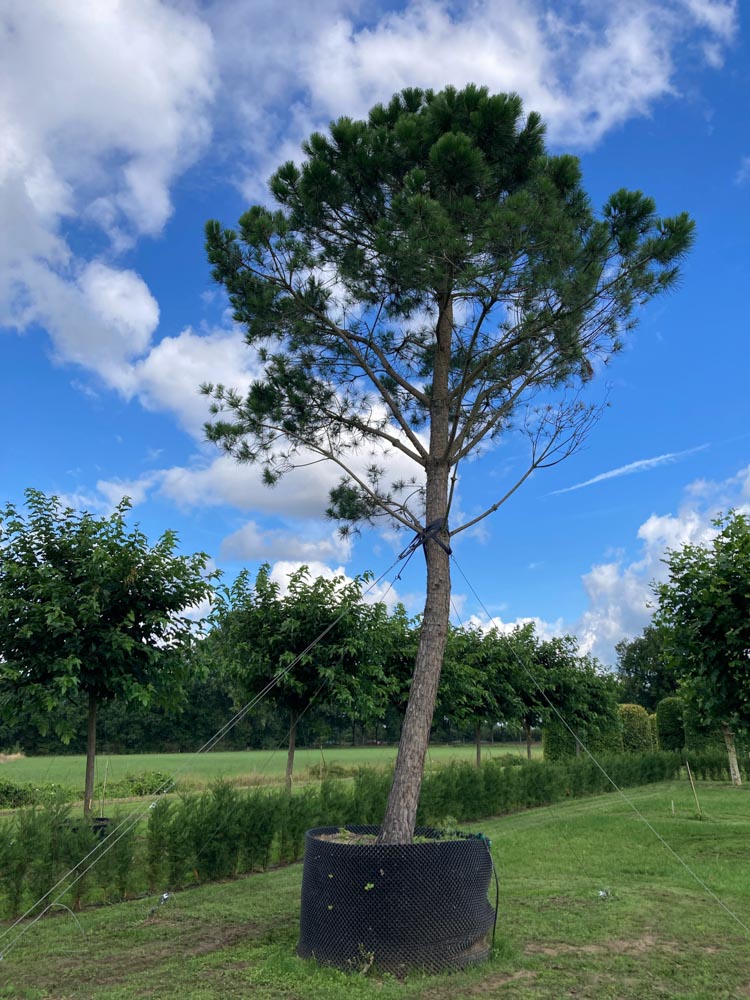
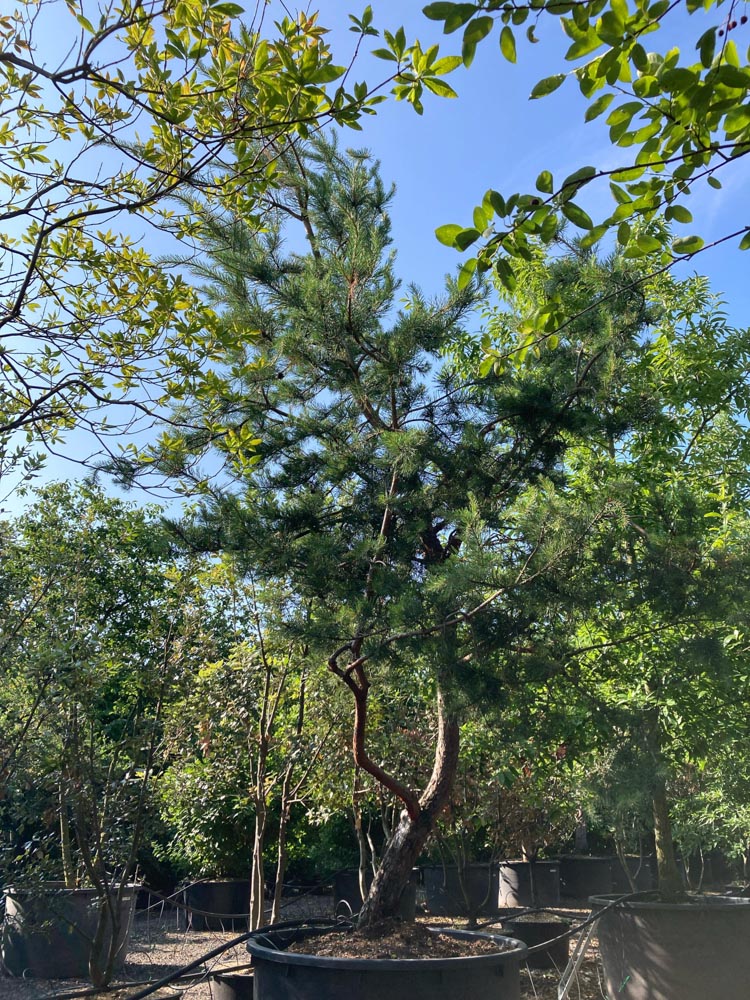
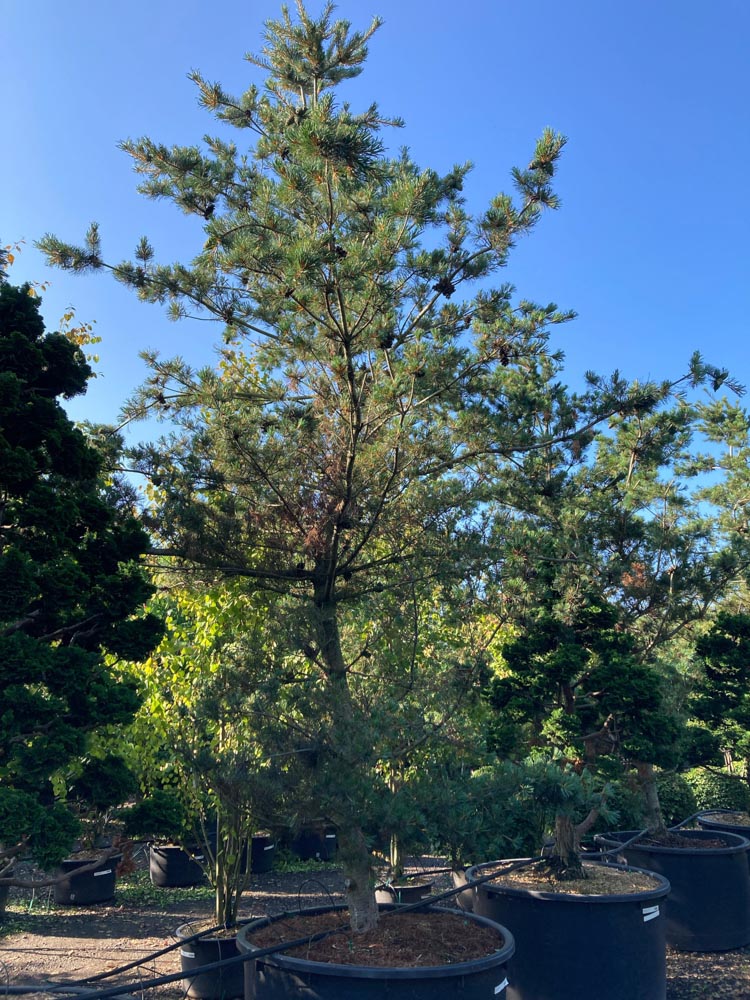
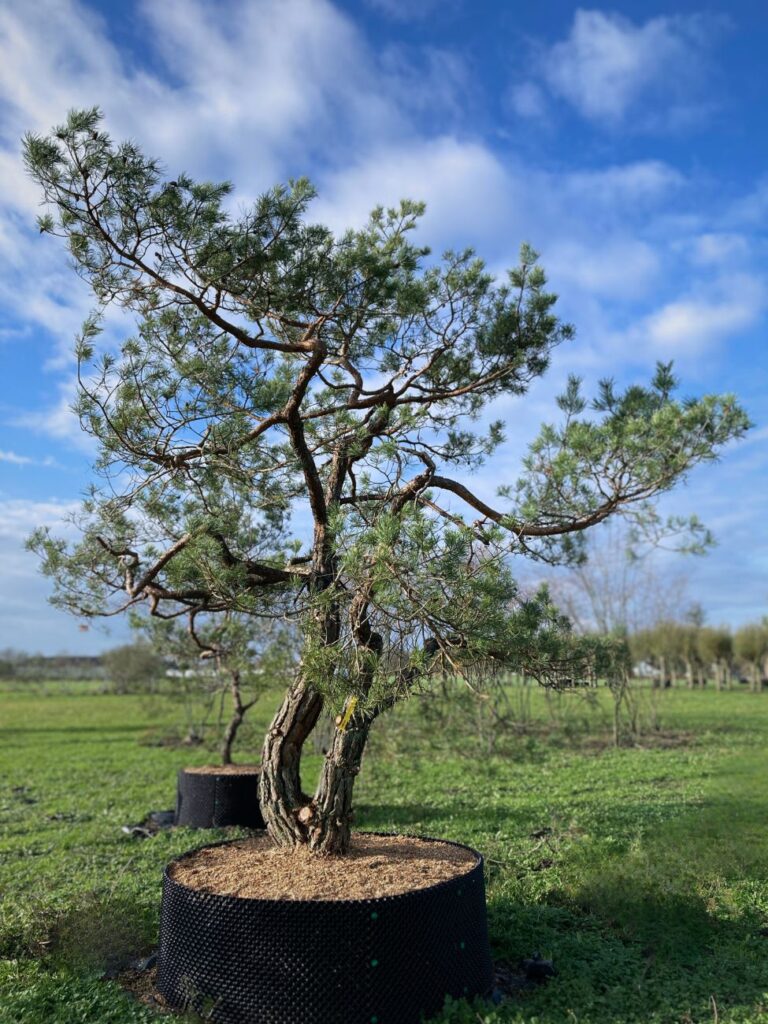
Within our product range, you will find Pinus trees in various designs. We supply Pinus in tall, multi-stemmed or shrub form. There are also parasol-shaped varieties, which provide an open and airy silhouette within a design.

Smits delivers Pinus trees both from the ground, with a strong wire root ball, and in containers. This allows flexibility in size, application and planting moment.

Why Pinus

Reliable and versatile

Pinus trees are loved for their strong growth, hardy character and low maintenance requirements. They bring calm and structure to a design and remain iconic even in winter.

Pinus is widely used in:

  • villa gardens and landscaped gardens
  • parks and public spaces
  • projects where a robust, natural look is desired


In terms of maintenance, Pinus trees are uncluttered. They require little pruning and grow well in sun to semi-shade. Most species withstand wind and drier conditions well.

Options

Shapes and applications

Pinus trees are available in a variety of shapes and sizes, including:

  • tall-stemmed
  • multi-stemmed
  • parasol shape
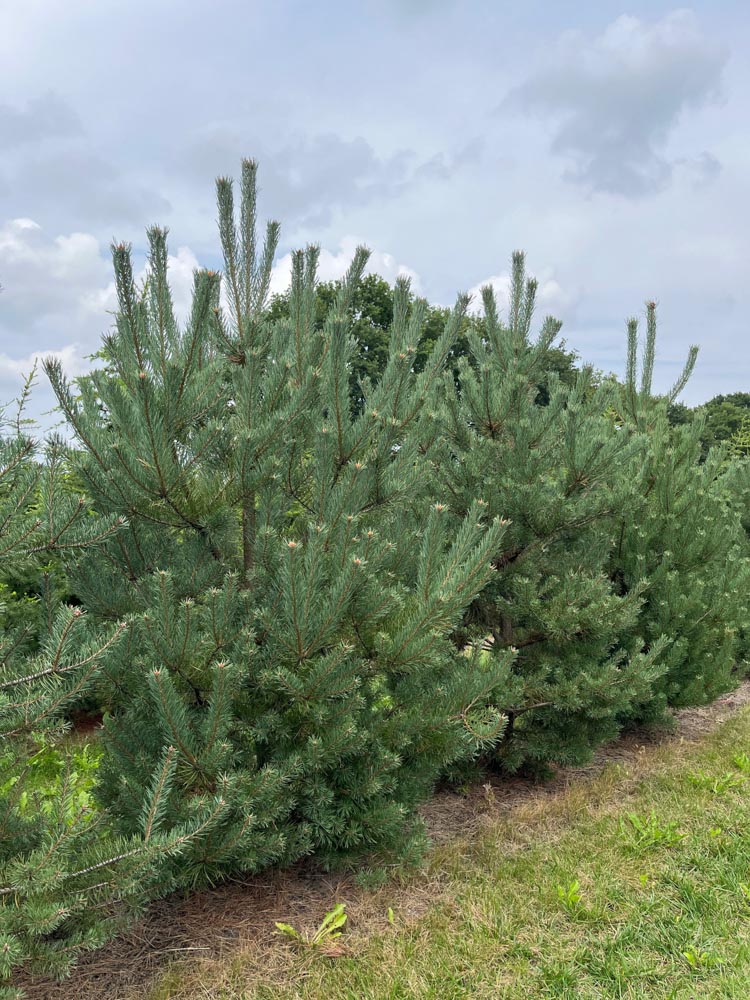
  • bush shape


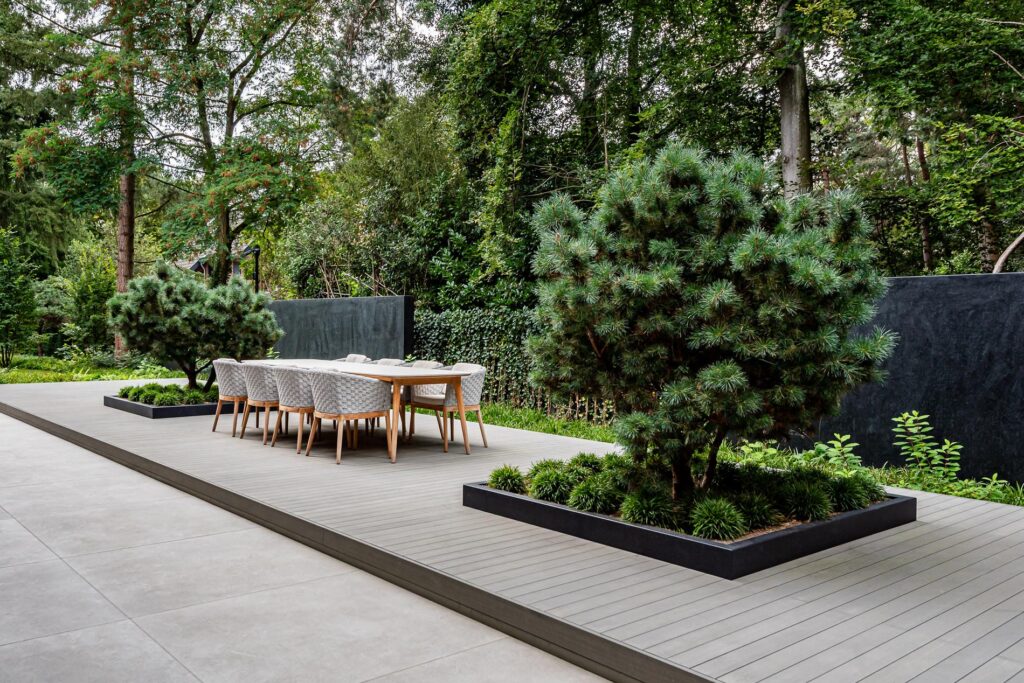
Because of this variation, Pinus trees are suitable as specimen shurbs, as part of a larger whole or as a structure carrier within a design. Depending on species and shape, they can form a quiet accent or, conversely, a powerful eye-catcher.

FAQ

Frequently asked questions about Pinus

Pinus often raises questions about application, maintenance and growth. Below, we answer the most frequently asked questions from practical gardening and landscaping projects.
Pinus has needles arranged in bundles of two to five together, while many other conifers have loose scales or needle structures. This gives Pinus a distinctive look.
Yes, Pinus trees are very hardy and retain their needles all year round.
Pinus requires little maintenance. Pruning is usually limited to correction or safety.
Pinus is available from open ground and in containers. Container plants offer more flexibility outside the traditional planting season.
Species such as Pinus sylvestris, Pinus nigra and Pinus cembra are widely used because of their shape and reliability.
Yes, compact forms and shrubby Pinus species are great for smaller gardens.
The growth rate varies by species. In general, Pinus trees grow steadily and reliably.
Sure. Pinus is often used as a solitary because of its strong shape and characterful appearance.
Yes, many Pinus species are well resistant to wind and are therefore often used in open landscapes.
Our Pinus trees are carefully grown and selected for quality, shape and vigour, making them reliably usable within professional projects.

Looking together at what fits your project?

Do you already know exactly what you need for your project, or would you like to spar a bit more? We are happy to help you make the right choice, tailored to your needs, planning and the character of the project.

Would you prefer to see the trees in real life first?

You are welcome to visit our nursery!