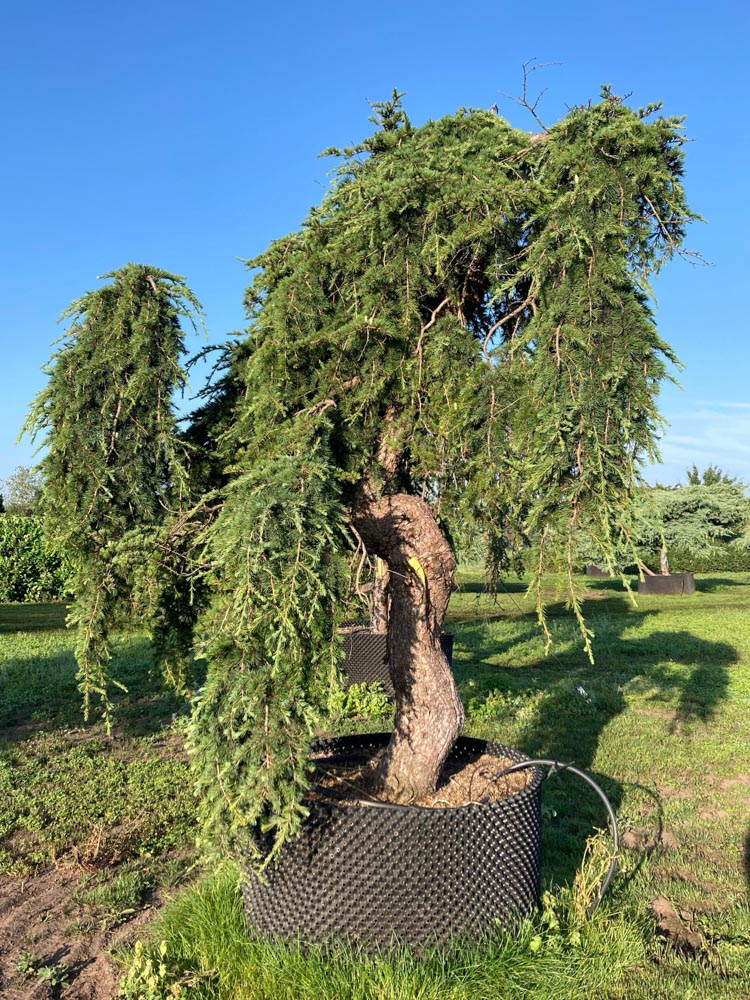
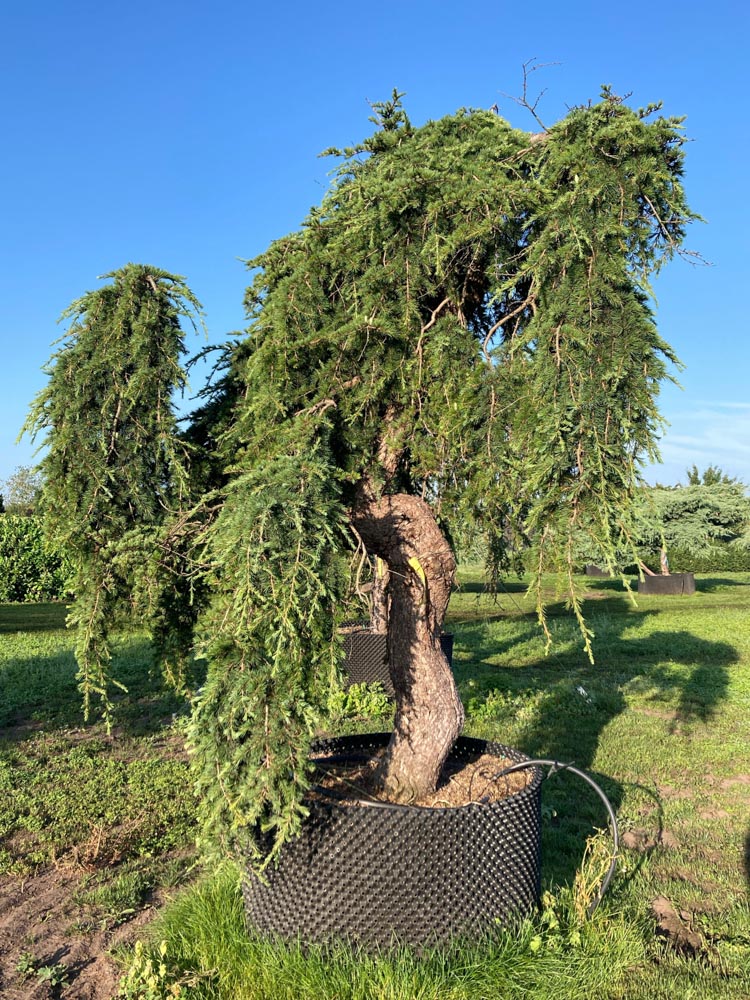
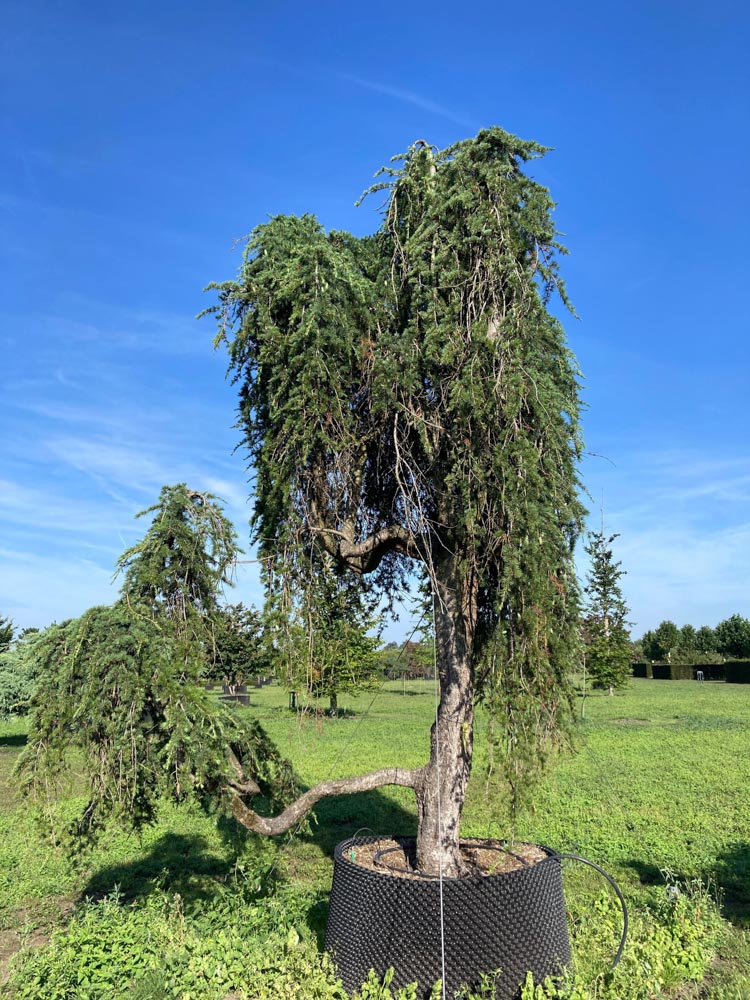
Treurlibanon cedar

Family: Pine family

Cedrus l. 'Sargentii'

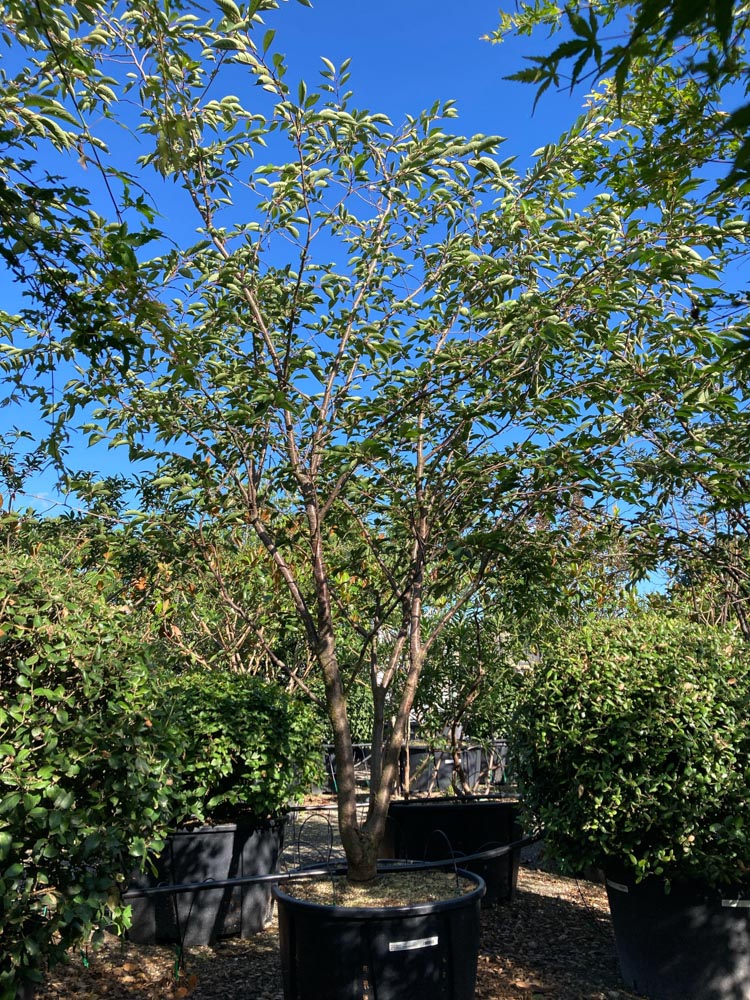
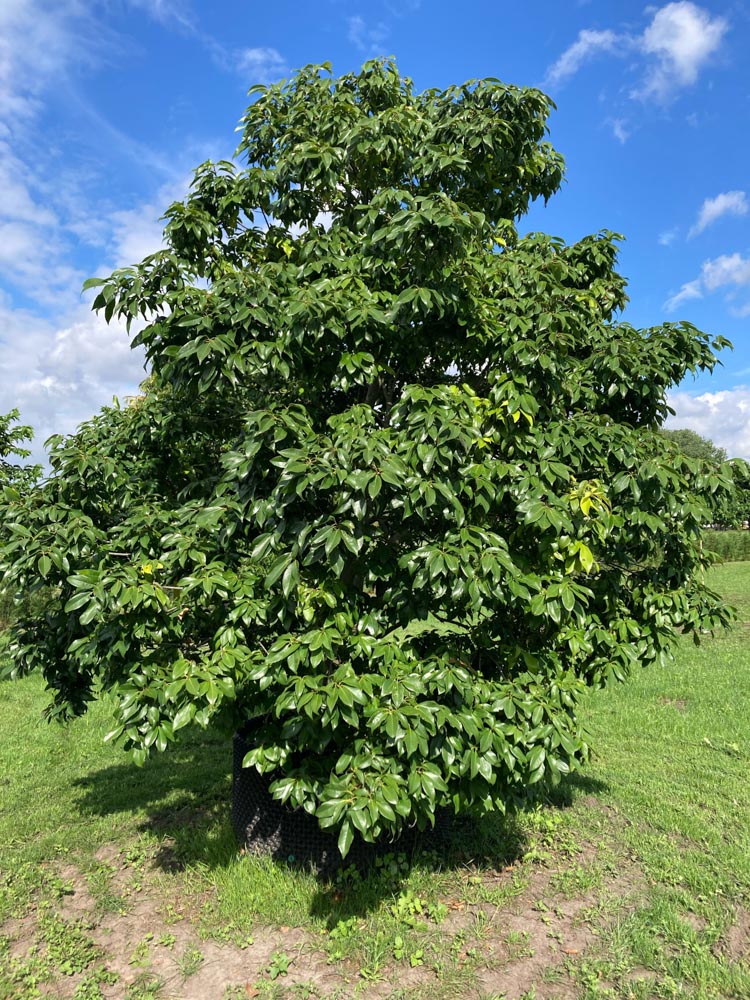
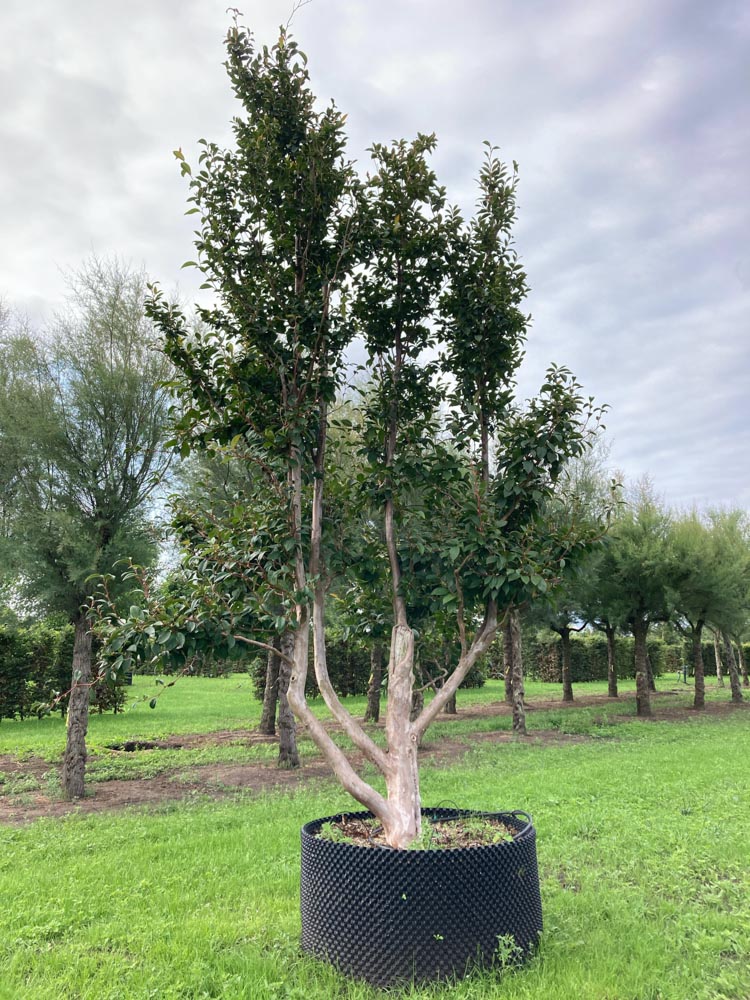
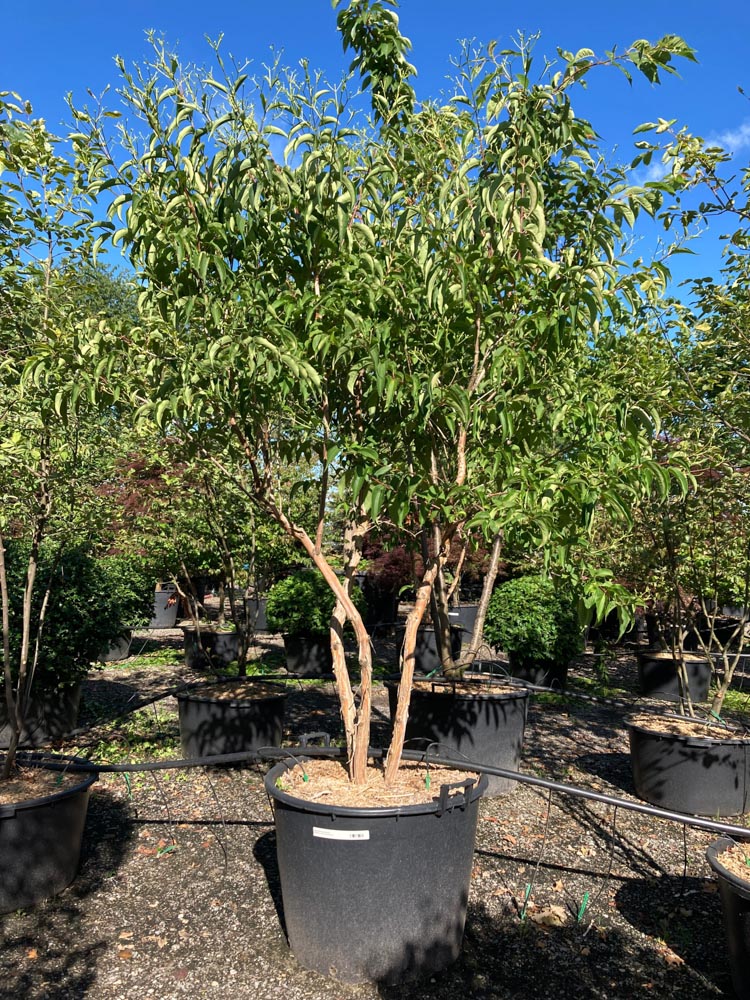
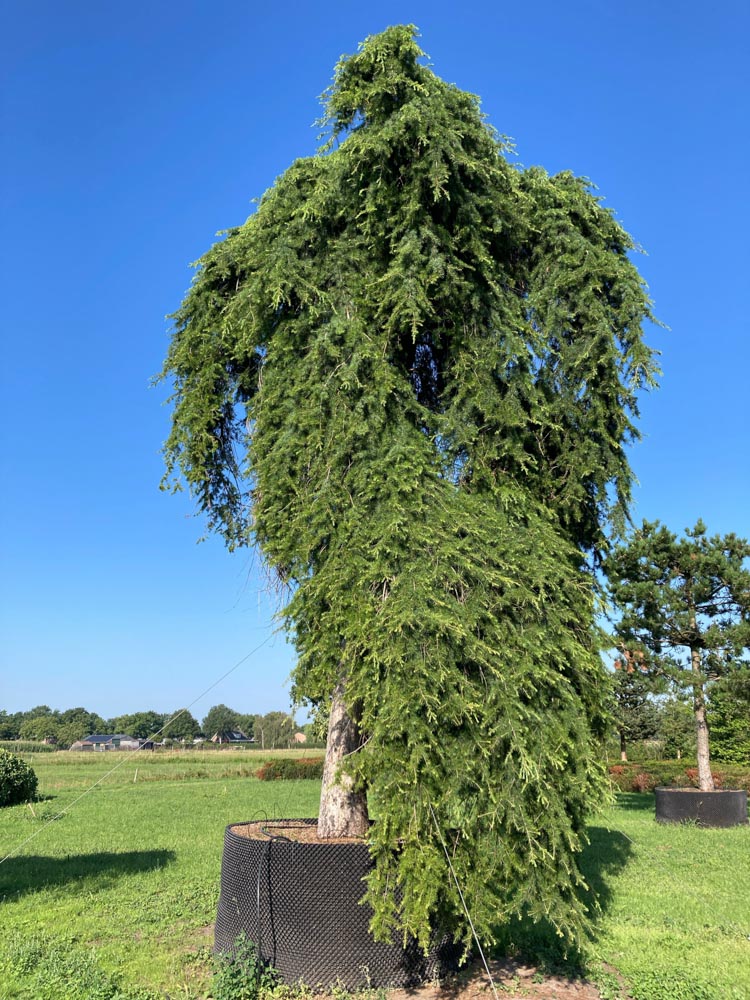
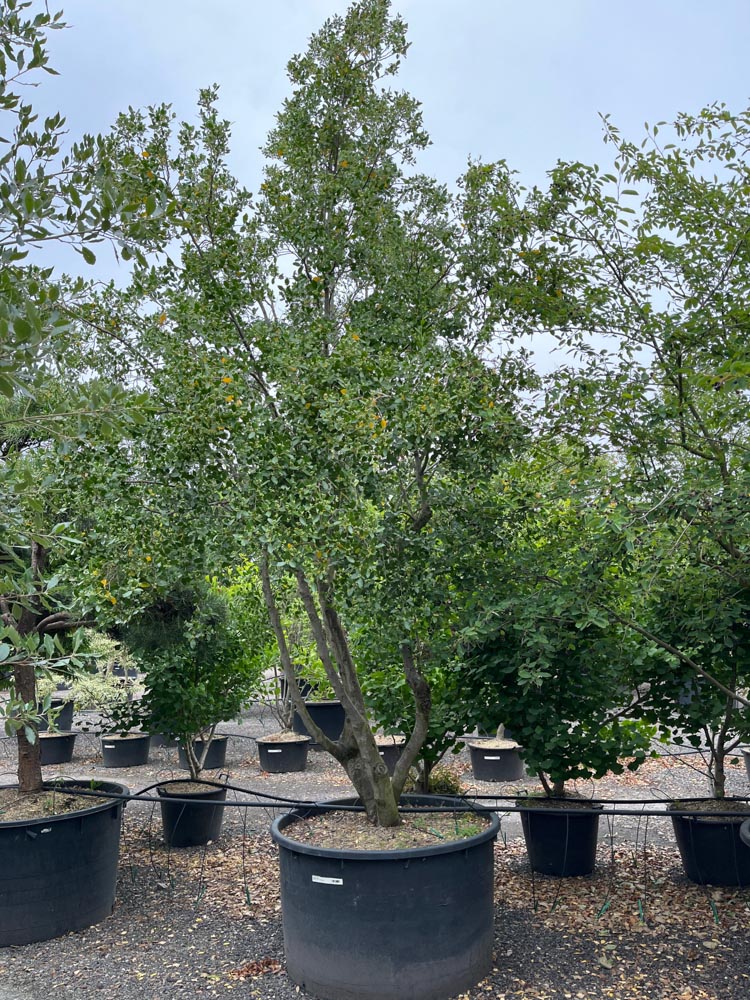
Cedrus l. 'Sargentii' Treurliban cedar height 250/300 cm in container

About Cedrus l. 'Sargentii'

Cedrus libani ‘Sargentii’ is a compact, slow-growing tree form of Lebanon cedar, named after Charles Sprague Sargent, founder of the Arnold Arboretum in Boston and one of the most influential dendrologists of his time. The species Cedrus libani is the iconic national tree of Lebanon. ‘Sargentii’ combines all the qualities of the Lebanon cedar - its blue-green to grey-green needles, elegantly horizontal branch structure and durable evergreen presence - with a drooping, funnel-tree-like habit and a slow and compact growth pattern. The growth habit is broad and low creeping to drooping, depending on the growing form. As a tall or trained tree, ‘Sargentii’ has a sculptural, overhanging crown with drooping twigs in blue-green needle line. The needles are short, blue-green to grey-green, grouped in rosettes on the short spurs. The colour is intense throughout the year, including in winter when the evergreen hanging twigs are particularly decorative. The trunk is grey-brown and develops a picturesque grooved bark pattern with age. Growth rate is slow, making large specimens particularly scarce and valuable. Available at Smits at 250/300 cm and 350/400 cm height in container.

Application and location

‘Sargentii’ is a sculptural solitary conifer for quality gardens and parks. The compact train shape can also be used in medium-sized gardens as a year-round ornamental accent with great visual effect at a limited final size. Full sun or semi-shade on loam, clay or sand; well-drained soil. Wind-resistant and tolerant of air pollution. Excellent winter hardiness. Does not tolerate waterlogging. Attention: slow growth makes specimens of size rare and valuable. Suitable for garden and park as sculptural year-round conifer.

Do you already know exactly what you need?

Every garden and every greenery project is different. Therefore, at Smits Arboriculture we do not make standard quotations, but we like to look together at what suits your wishes, planning and the character of the project.

our opinion

The characteristics below show the ideal conditions for a Cedrus l. ‘Sargentii’. They help in choosing the right species for your project, but may vary slightly from one garden or project to another.

the runners

This is a list of the most frequently selected products. Looking for a specific product? Visit contact with us and we will be happy to help you personally. 

Dimensions

Value

Delivery form

Feature

Photo

Height
250/300 cm
Container
/
58403-1.jpg

Is the image missing?
Mail to info@smitsbv.nl

Height
350/400 cm
Container
/
58402-1.jpg

Is the image missing?
Mail to info@smitsbv.nl

Is the Cedrus l. ‘Sargentii’ you are looking for not listed?

No worries. Chances are we still have the species you are looking for! Visit contact with us and we will be happy to help you. 

Every garden and every greenery project is different. Therefore, at Smits Arboriculture we do not make standard quotations, but we like to look together at what suits your wishes, planning and the character of the project.

Get inspired by our park, container field and the way trees and hedges come together in the design. Ideal for getting ideas for your next project.
Discover how gardeners and designers apply our greenery in high-quality garden and green space projects. From villa gardens to larger landscape projects.

FAQ

Frequently asked questions about Cedrus l. 'Sargentii'

‘Sargentii’ combines the blue-green needle colour and horizontal elegance of the Lebanon Cedar with a drooping, compact habit and slow growth rate. This makes it usable in gardens where the common Lebanon cedar would grow too large. The sculptural weeping form is also particularly decorative in winter.
The slow grower reaches a height of 2 to 4 metres over long years, depending on the growing form. Available at Smits at 250/300 cm and 350/400 cm height in container. Large specimens are rare and particularly valuable.
Yes, excellent winter hardiness. As a cultivar of the Lebanon cedar, it tolerates harsh winters well. The evergreen blue-green needles are present in all seasons. Additional protection is not necessary.
Full sun or semi-shade on a well-drained soil of loam, clay or sand. It does not tolerate waterlogging. Wind resistant. An open sunny position gives the most intense blue-green needle colour.
Yes, because of its slow growth and compact final size, ‘Sargentii’ can also be used in medium-sized and smaller gardens as a sculptural year-round accent. It requires relatively little space but has a great visual presence.
No, fully evergreen. Its blue-green needles are present all year round. This makes it particularly valuable as an annual structure plant that fully retains its sculptural character in winter.
The short needles are blue-green to grey-green in colour, grouped in elegant rosettes on the short spurs. The cool tone is characteristic of the Lebanon Cedar group and is intense throughout the year.
The cultivar is named after Charles Sprague Sargent (1841-1927), the founder and first director of Harvard University's Arnold Arboretum in Boston. Sargent was one of the most influential dendrologists and plant collectors of his time and introduced numerous Asian trees to North America.

See also