Yellow dogwood

Family: Dogwood family

Cornus mas

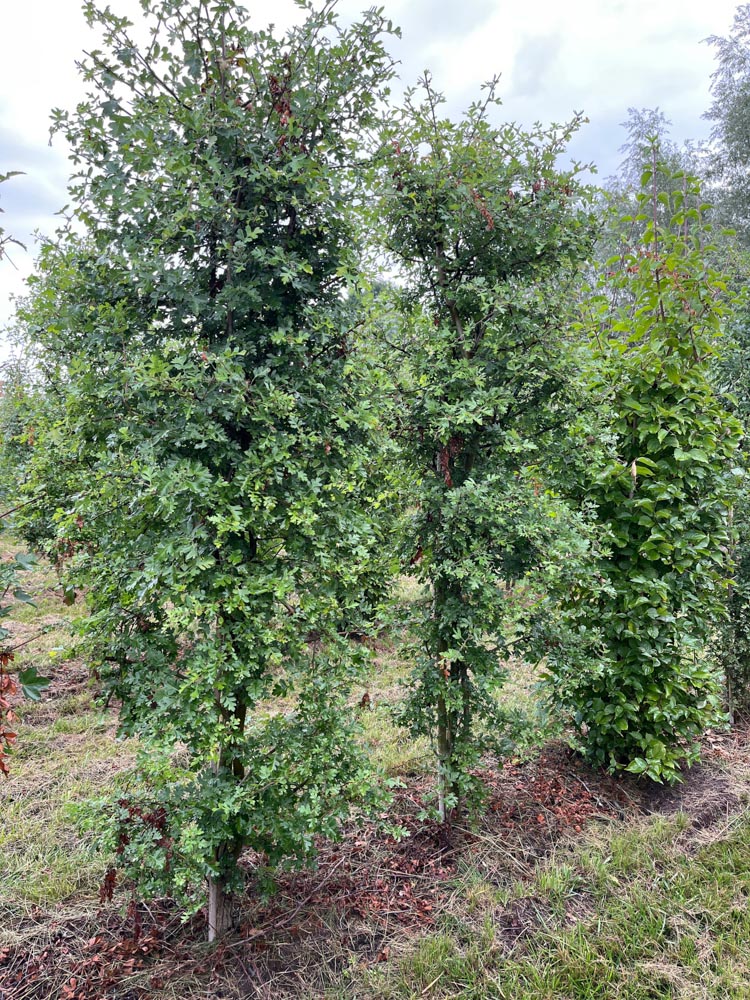
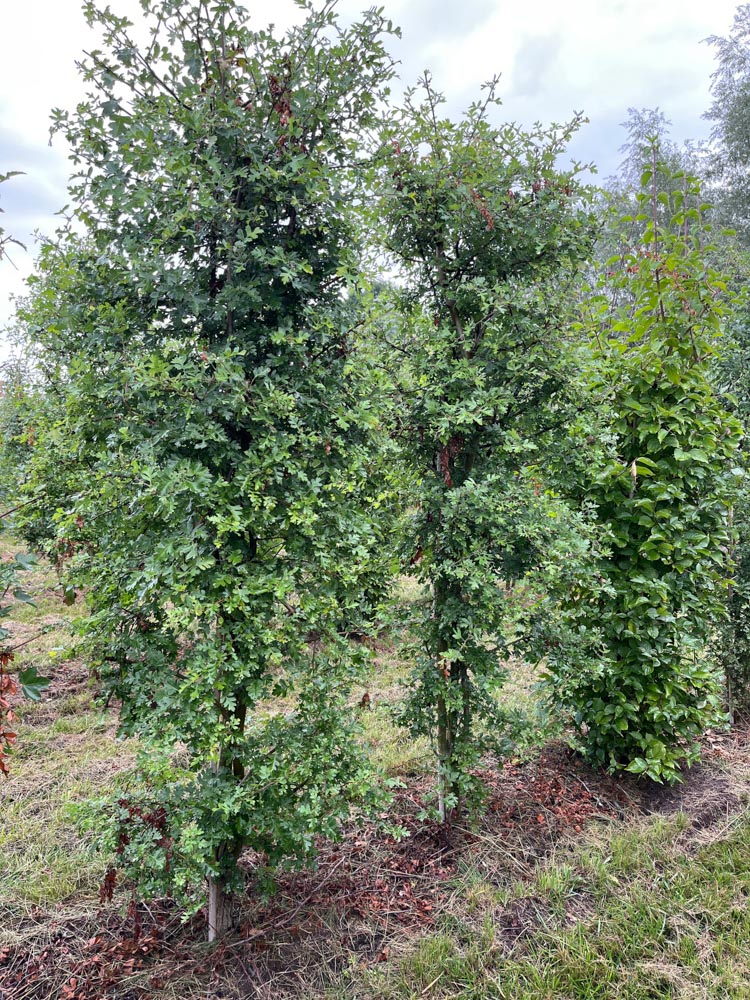
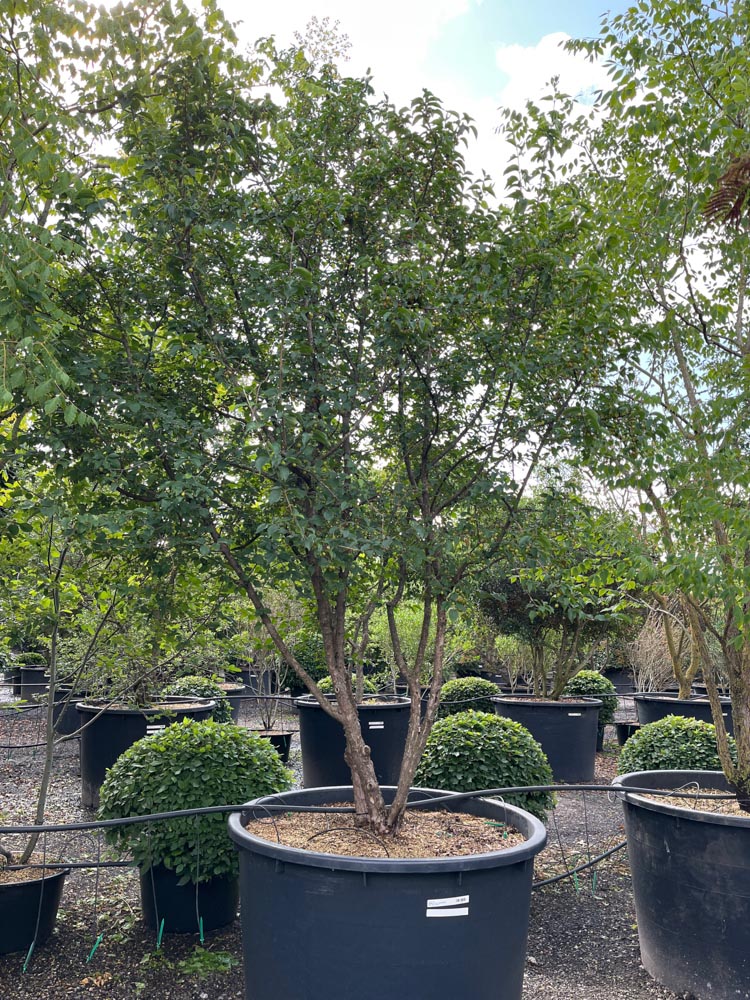
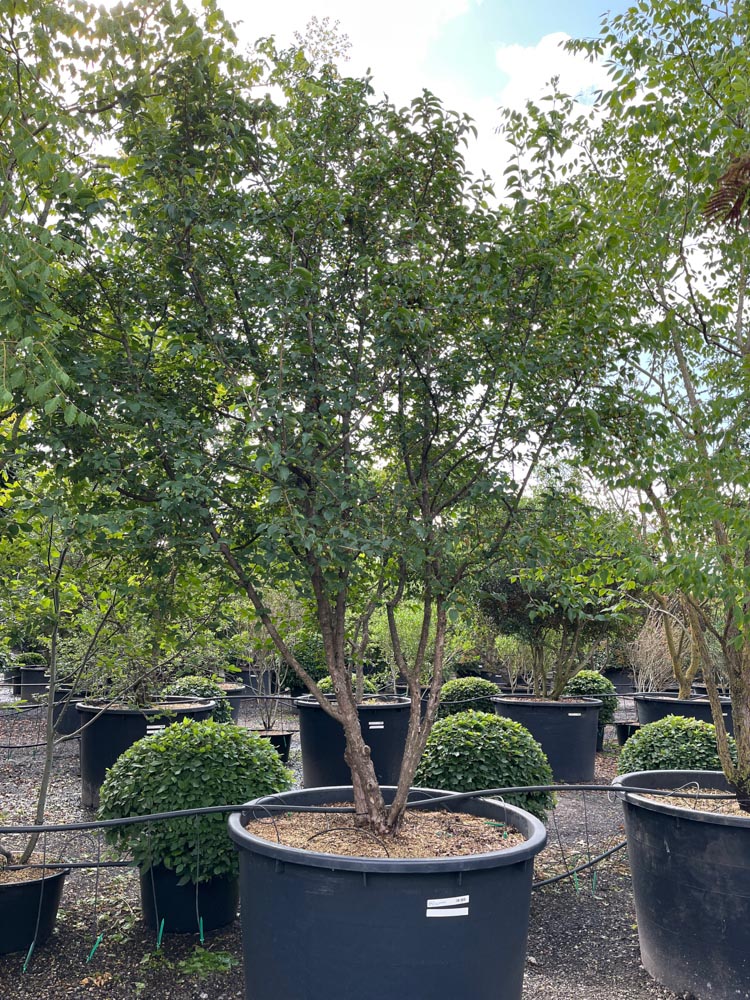
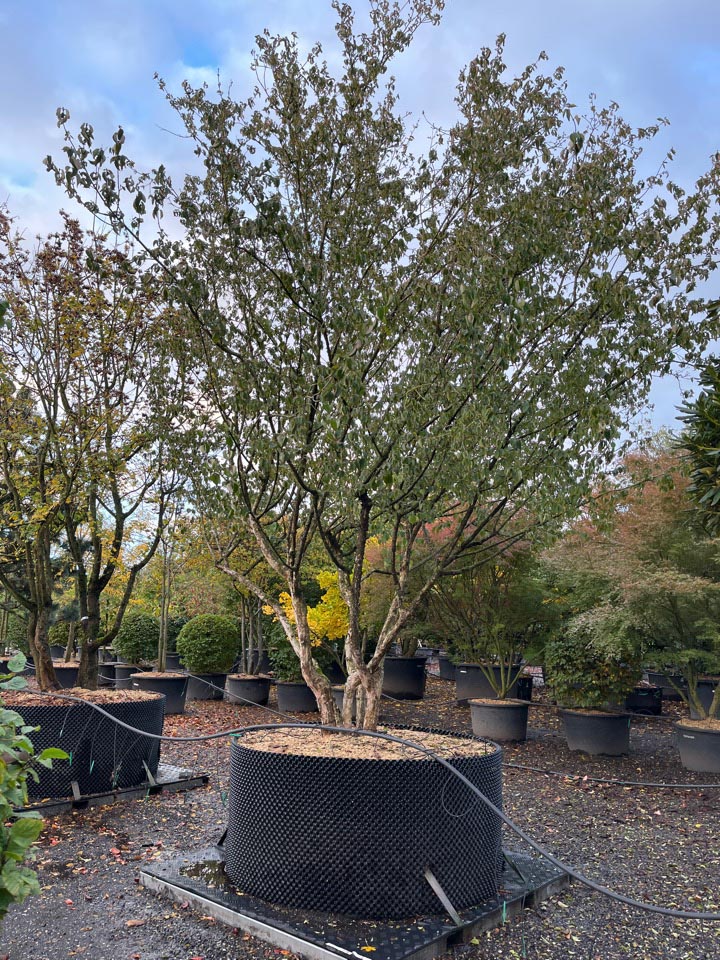
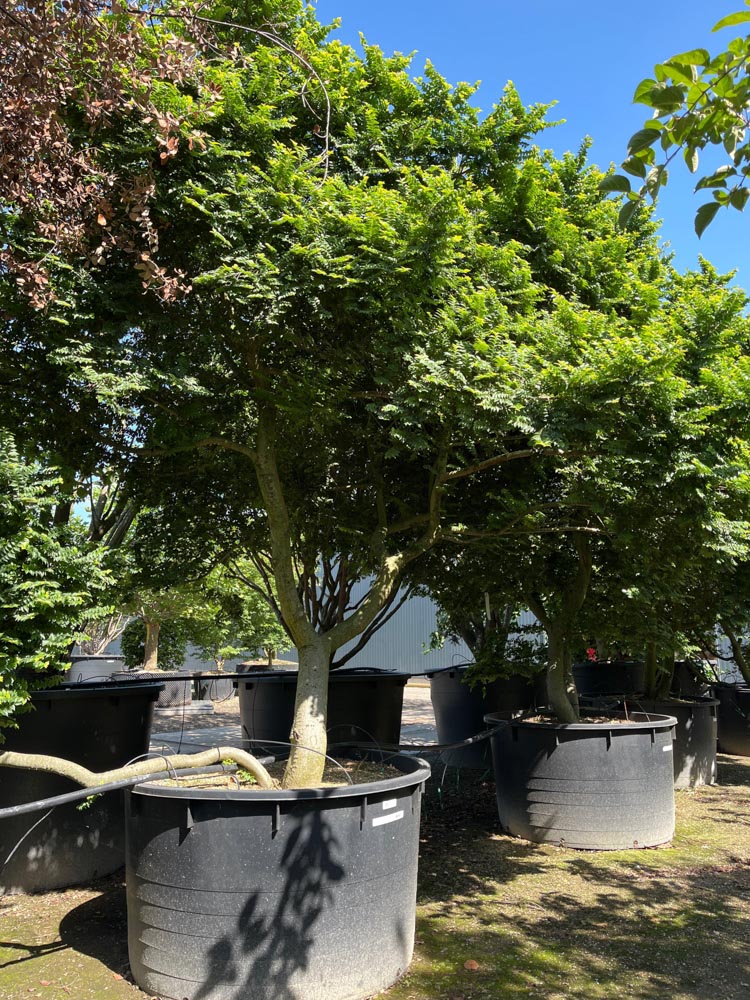
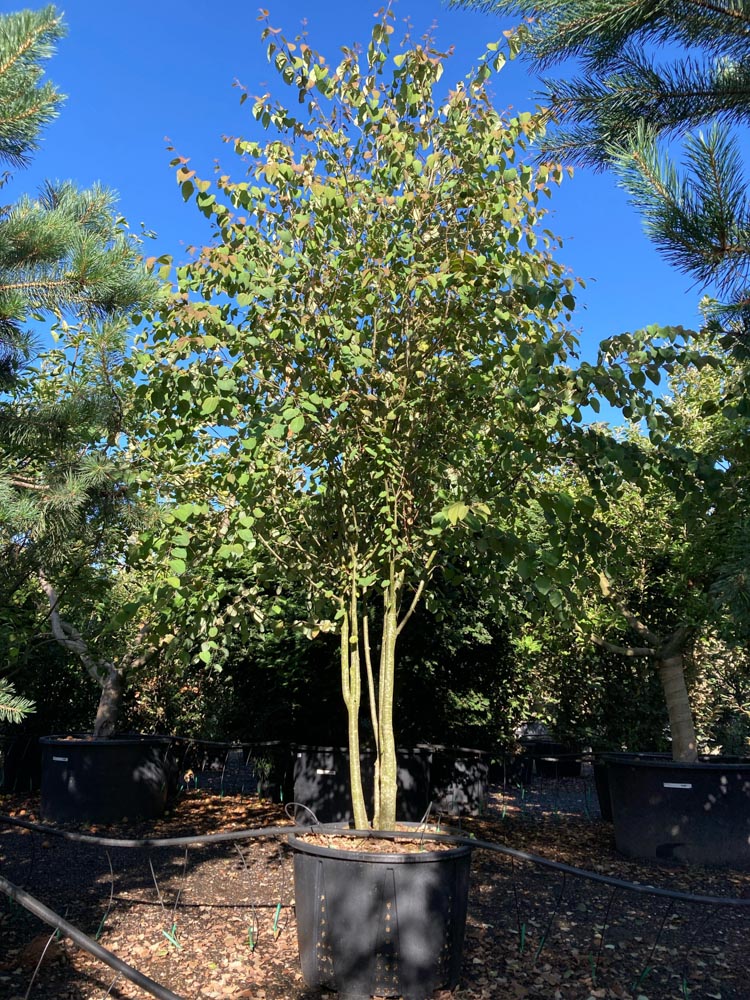
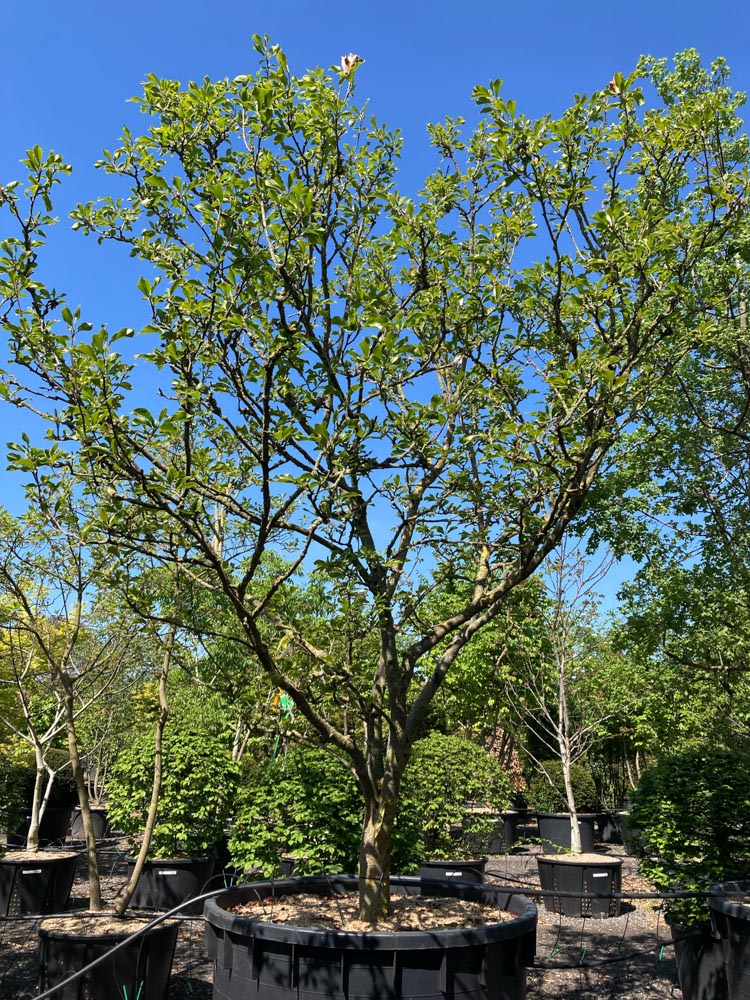
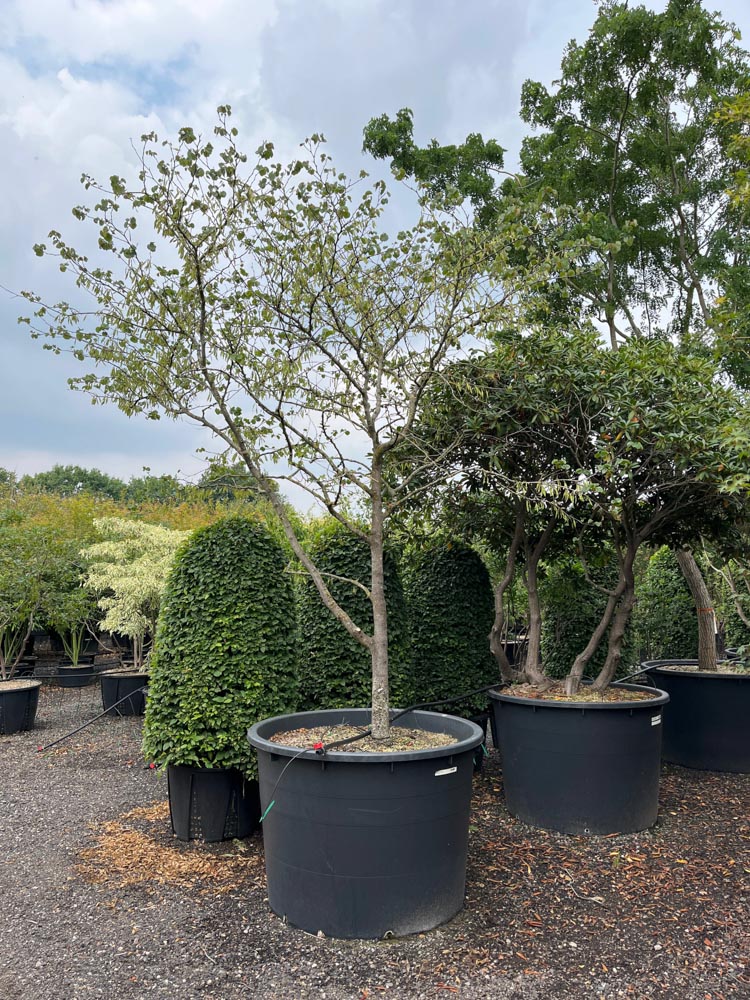
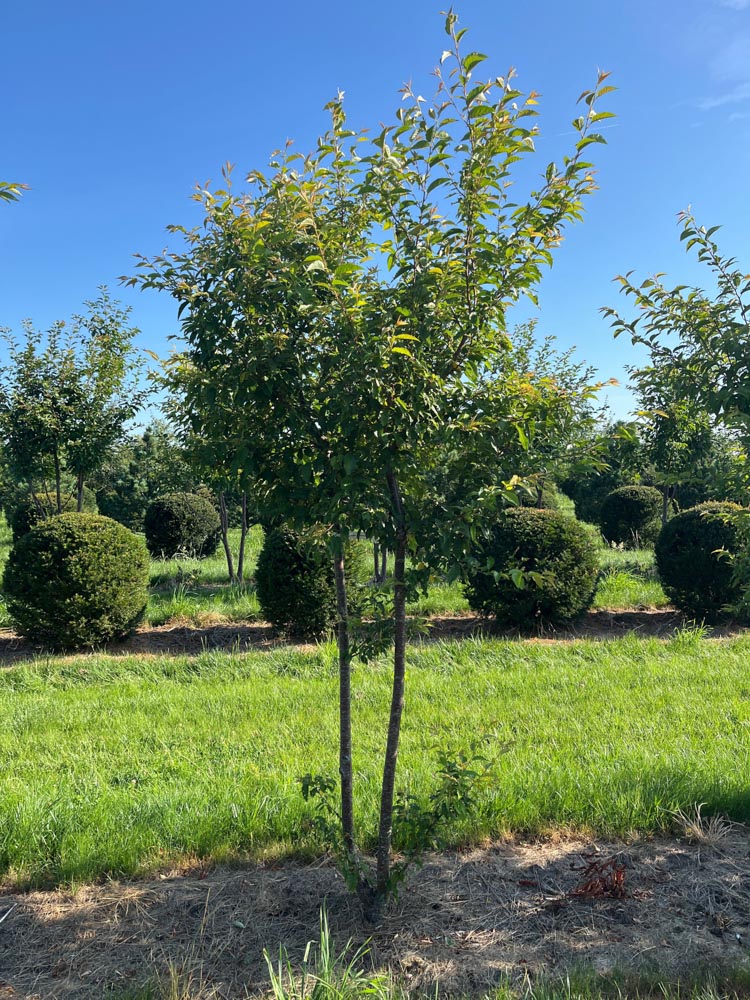
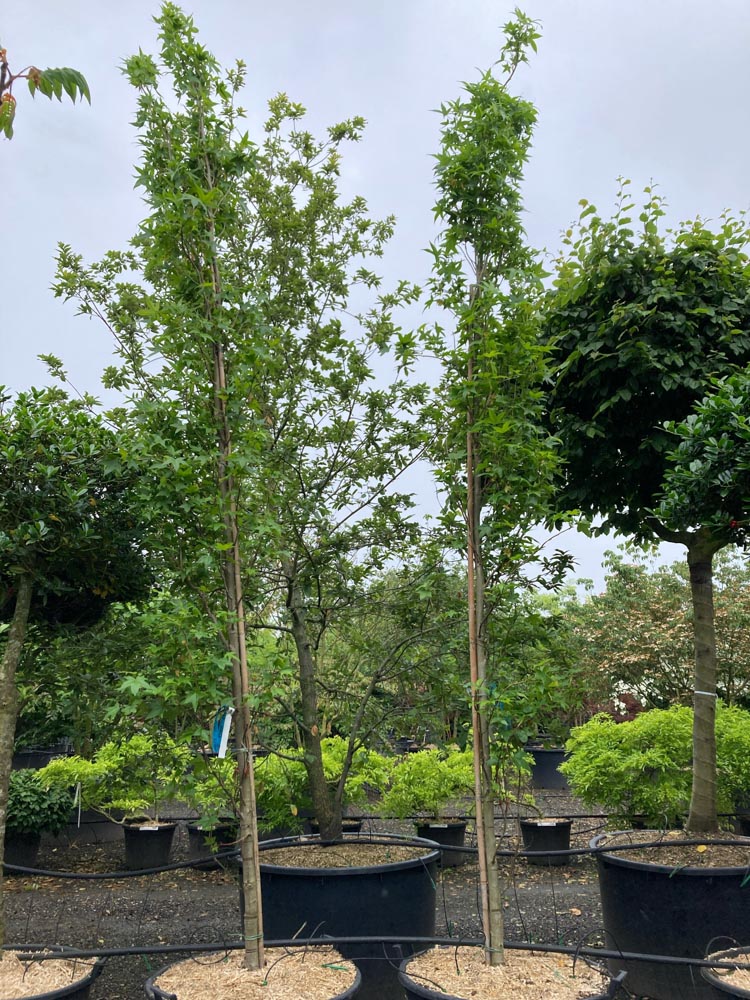
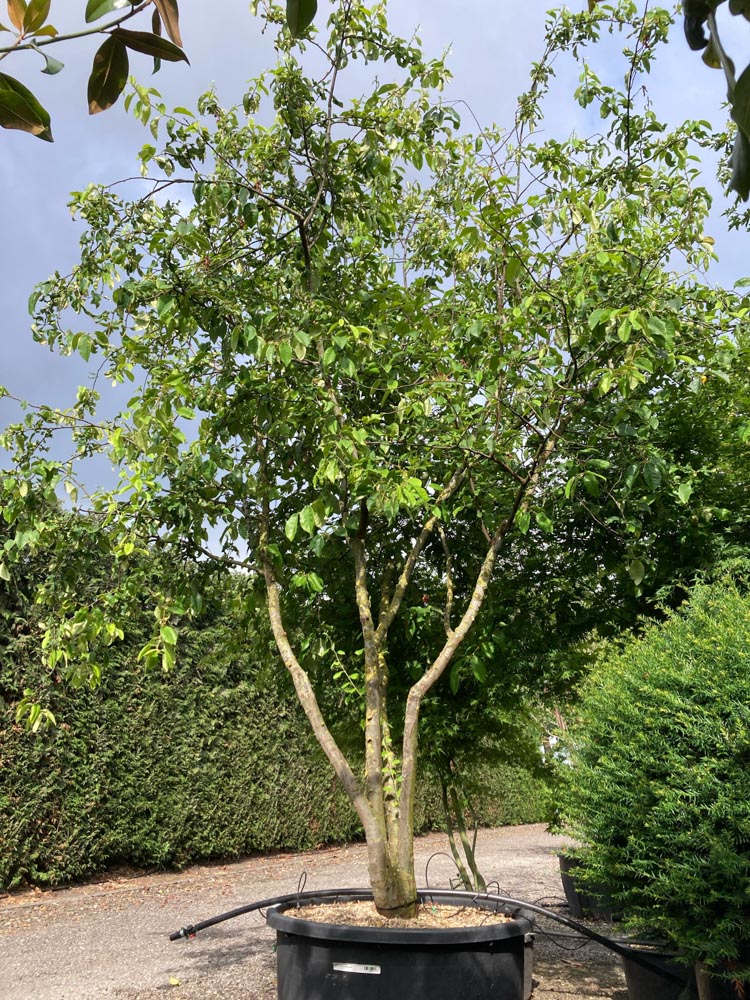
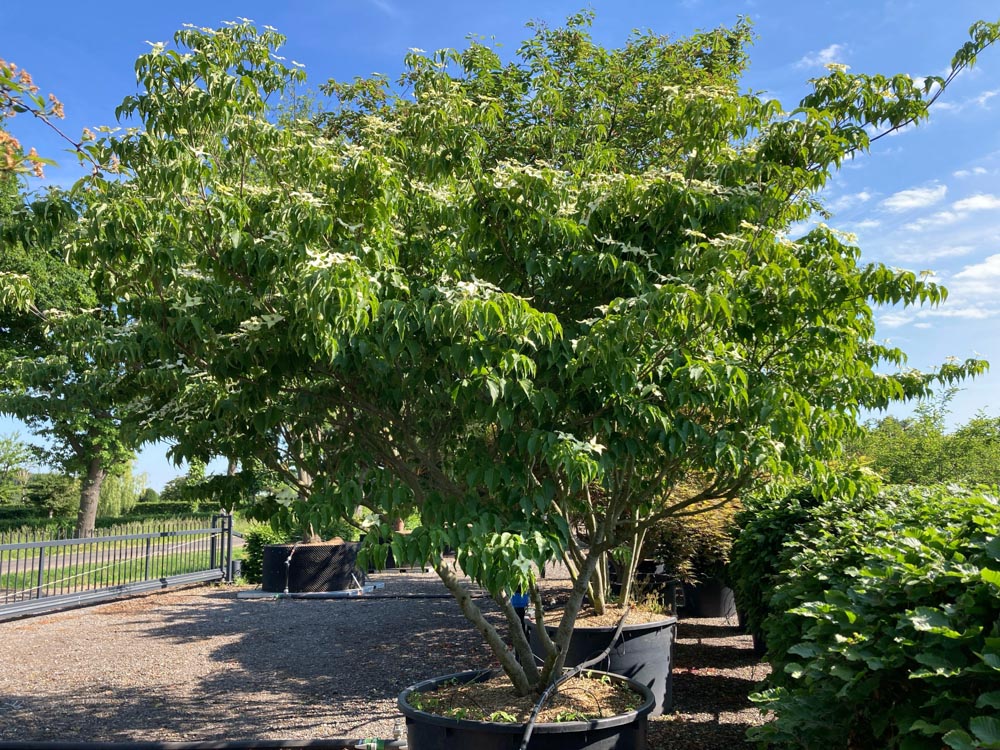
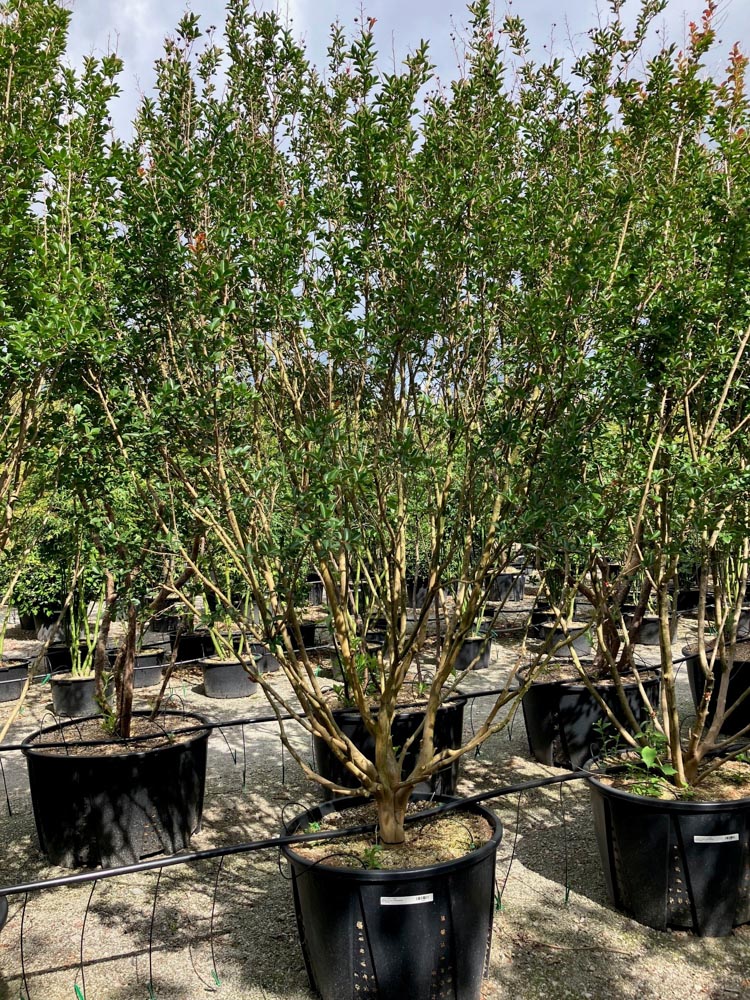
Cornus mas Yellow dogwood size 200 cm x 50 x 50 cm in coconut box

About Cornus mas

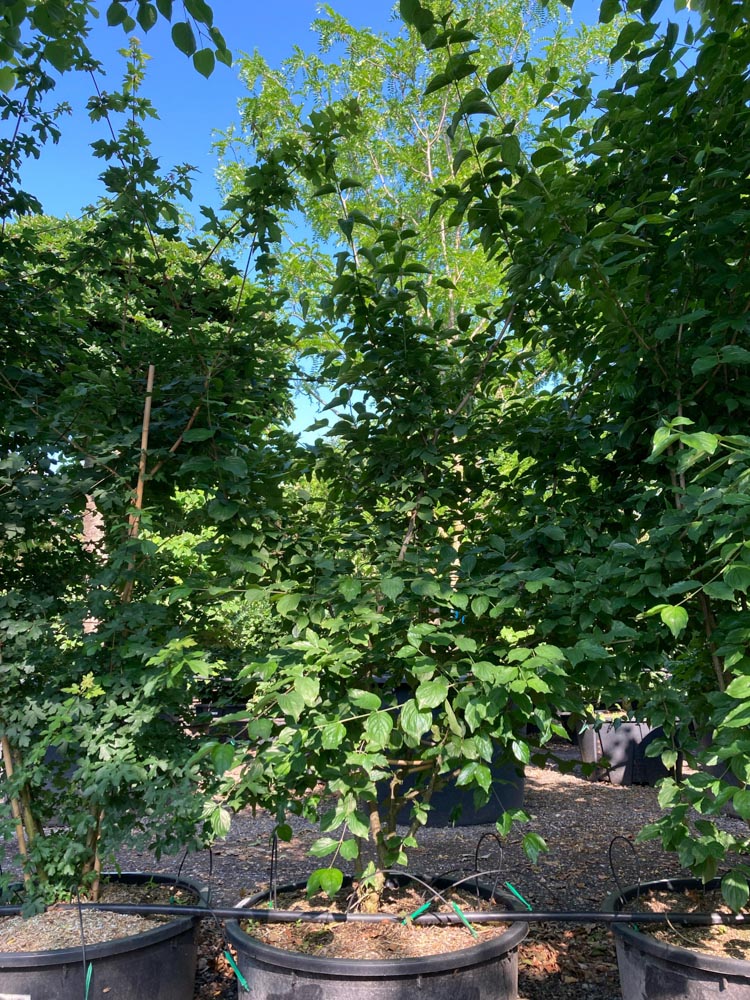
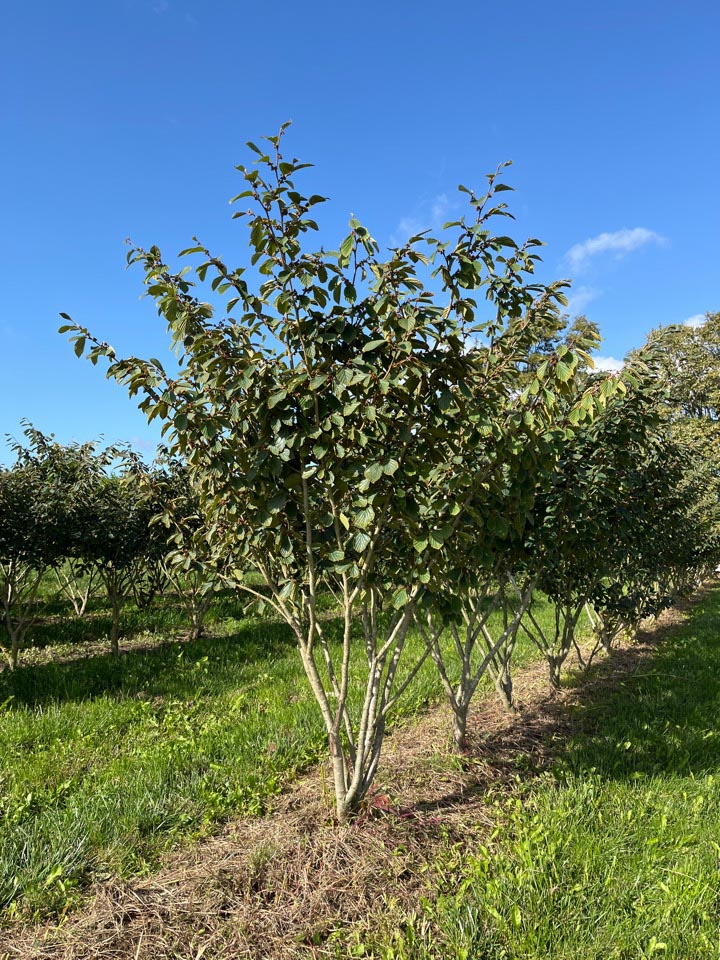
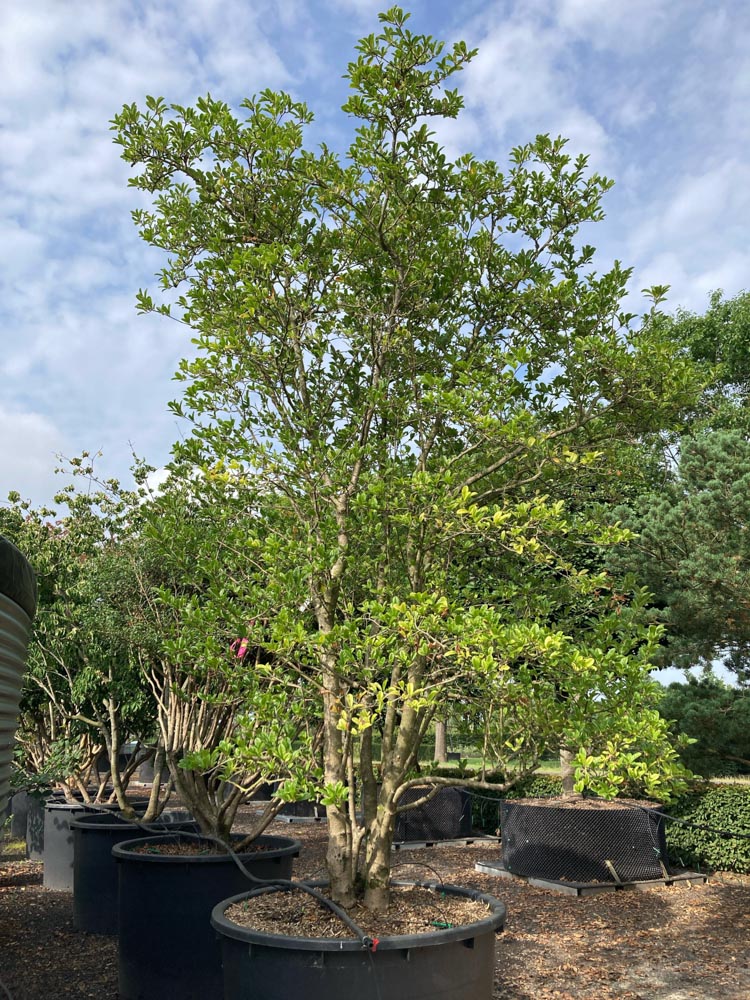
Yellow dogwood is a native shrub or small tree native to central and southern Europe. This dogwood is distinguished from other species by its very early flowering and edible fruits. Its growth form is broad and bushy, often multi-stemmed from the base. It can develop into a large shrub or a small tree if stems are selected. The branches are sturdy and grow in an open, natural structure. The bark is grey-brown and develops a slightly scaly texture with age. On older trunks, the bark can develop interesting texture. The young wood has a green to reddish-brown colour. The leaf is elliptical with a pointed tip and distinct veins. The leaf colour is bright green in summer. In autumn, the leaves usually turn yellow-green to yellow, sometimes with red shades. The autumn colour is less spectacular than in other dogwood species, but still beautiful. Flowering is the big special feature: as early as February-March, often before most other plants sprout, numerous small yellow flowers appear directly on the wood. These flowers appear in small bunches along the branches and give the whole plant a yellow glow. Flowering lasts about 3-4 weeks and is a very welcome early nectar source for bees. The flowering comes before the leaves, which enhances the effect. After flowering, elongated, red fruits that resemble small olives develop. These cornelian cherries are edible and have a sour to sweet-sour flavour when fully ripe in August-September. They are rich in vitamin C and can be made into jam, juice or syrup. The fruits are also very popular with birds. Yellow dogwood grows slowly to moderately fast and can grow 4-6 metres tall. The plant is very hardy, drought-tolerant and requires little maintenance. Its combination of early flowering, edible fruits and ecological value makes it a very valuable plant for natural gardens.

Application and location

Yellow dogwood is an excellent match for natural gardens, mixed hedges, woodland edges and fruit gardens. Its early flowering makes it a valuable plant for bees. Also suitable as a solitary in larger gardens or in groups with other shrubs. The edible fruits make it interesting for fruit lovers. Plant the shrub in full sun to semi-shade. For optimum fruit formation, choose a sunny spot. The yellow dogwood is very tolerant in terms of soil type and grows on everything from clay to sand, including calcareous soil. The plant tolerates drought well once established. Excellent hardy to well below -25°C and wind resistant. Give the plant 4-6 metres of space. Pruning is hardly necessary, at most some thinning of old branches. The plant can also develop into a small tree if you select one or a few stems. The fruits are edible but ripen late in summer. For natural gardens with attention to biodiversity and edible planting, this is a very valuable, low-maintenance plant.

Do you already know exactly what you need?

Every garden and every greenery project is different. Therefore, at Smits Arboriculture we do not make standard quotations, but we like to look together at what suits your wishes, planning and the character of the project.


our opinion

The properties below show the ideal conditions for a Cornus mas. They will help you choose the right species for your project, but may vary slightly from one garden or project to another.

the runners

This is a list of the most frequently selected products. Looking for a specific product? Visit contact with us and we will be happy to help you personally. 

Dimensions

Value

Delivery form

Feature

Photo

Dimensions
200 cm x 50 x 50 cm
Coconut box
Smits Hedging
85309-1.jpg

Is the image missing?
Mail to info@smitsbv.nl

Height
250/300 cm
Container
Multi-strain
86237-1.jpg

Is the image missing?
Mail to info@smitsbv.nl

Height
300/350 cm
Container
Multi-strain
86790-1.jpg

Is the image missing?
Mail to info@smitsbv.nl

Height
350/400 cm
Container
Multi-strain
86789-1.jpg

Is the image missing?
Mail to info@smitsbv.nl

Height
400/450 cm
Container
Multi-strain

Is the image missing?
Mail to info@smitsbv.nl

Height
450/500 cm
Container
Multi-strain
89515-1.jpg

Is the image missing?
Mail to info@smitsbv.nl

Is the Cornus mas you are looking for not listed?

No worries. Chances are we still have the species you are looking for! Visit contact with us and we will be happy to help you. 

Every garden and every greenery project is different. Therefore, at Smits Arboriculture we do not make standard quotations, but we like to look together at what suits your wishes, planning and the character of the project.

Get inspired by our park, container field and the way trees and hedges come together in the design. Ideal for getting ideas for your next project.
Discover how gardeners and designers apply our greenery in high-quality garden and green space projects. From villa gardens to larger landscape projects.

FAQ

Frequently asked questions about Cornus mas

Yellow dogwood grows into a large shrub or small tree 4 to 6 metres tall and about 3 to 5 metres wide. The plant naturally grows multi-stemmed from the base. If you select one or a few stems and remove the rest, the plant can develop into a small tree with a distinct crown. The growth rate is slow to moderate, with about 20-30 centimetres per year. Due to its compact growth and slow development, the plant remains manageable. It does take several years for the plant to reach its full size.
Yellow dogwood flowers very early in the season, as early as February to March, often before the leaves appear. This makes the plant one of the first bloomers in the garden and a valuable early nectar source for bees. The small, yellow flowers appear in bunches directly on the wood and give the whole plant a yellow glow. Flowering lasts about 3-4 weeks. Since the blooms come before the leaves, the effect is extra striking. The early flowering time makes this plant very valuable for biodiversity in early spring.
Yes, the fruits (cornelian cherries) are edible and even very healthy. The elongated, red fruits ripen in August-September and have a sour to sweet-sour flavour when fully ripe. They are rich in vitamin C, more so than citrus fruits. The fruits can be eaten fresh but are usually processed into jam, jelly, juice, syrup or liqueur. In Eastern Europe, cornelian cherries are a traditional product. The fruits do not fall from the tree by themselves; you have to pick them or shake the branches. Wait to harvest them until they are dark red and soft for the best flavour.
Yes, the yellow dogwood is extremely hardy and tolerates temperatures well below -25°C without any problems. Native to central and southern Europe, this dogwood is fully adapted to our climate. In Dutch winters, the plant needs no protection whatsoever. Late frosts in spring also pose no problem, although very late night frosts can damage early flowers. This rarely occurs and does not harm the plant. Its hardiness makes this a very reliable shrub that flowers and bears fruit every year.
Yellow dogwood is very tolerant and grows in full sun to semi-shade. For optimum flowering and fruiting, choose a sunny spot. The plant is not fussy about soil type and grows on everything from clay to sand, even calcareous soil. Once established, the plant tolerates drought well. For best fruit production, though, choose a moist, nutrient-rich soil. The plant tolerates wind well and is also suitable for urban environments. This tolerance makes yellow dogwood a very reliable, low-maintenance plant.
Yellow dogwood has a slow to moderate growth rate of about 20-30 centimetres per year. In the first few years after planting, growth may be a little slower. The slow growth is actually an advantage as it keeps the plant compact and requires little pruning. In a good, moist location in the sun, the plant grows slightly faster than in a drier, more sparse spot. It takes up to 8-10 years before you have a well-developed shrub. Patience is rewarded with a robust, reliable plant that flowers and bears fruit every year.
Pruning is hardly necessary for yellow dogwood. The plant naturally develops a nice, open shape. You may want to remove some dead wood or weak branches in spring after flowering to keep the plant vital. If you want to grow the plant into a small tree, select one or a few main stems in the young years and remove the rest. For natural gardens, it is often nicer to grow the plant multi-stemmed. Too much pruning can reduce flowering as flowers appear on older wood.
Yellow dogwood flowers very early in the year (February-March) when few other nectar sources are available. For bees that become active in early spring, these early flowers are vital. The flowers are rich in nectar and pollen. Since flowering lasts for weeks, the plant provides a long-term food source during a critical period. Bumblebees and other early pollinating insects also benefit. For bee-friendly gardens, yellow dogwood is therefore a very valuable plant that opens the season early.

See also