About Magnolia Betty
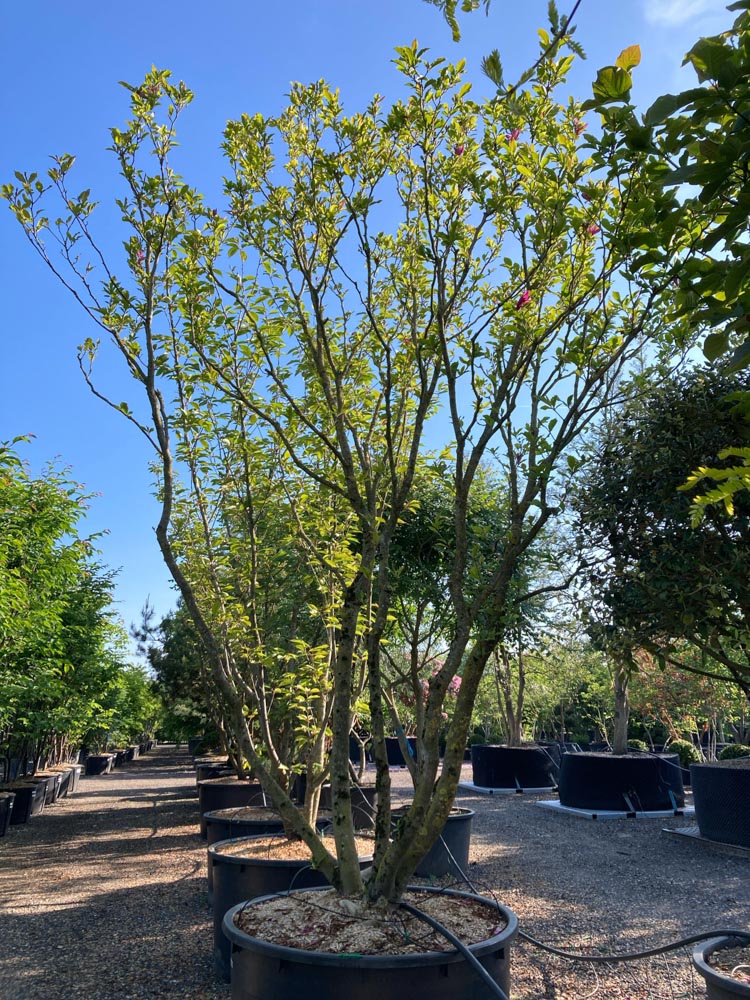
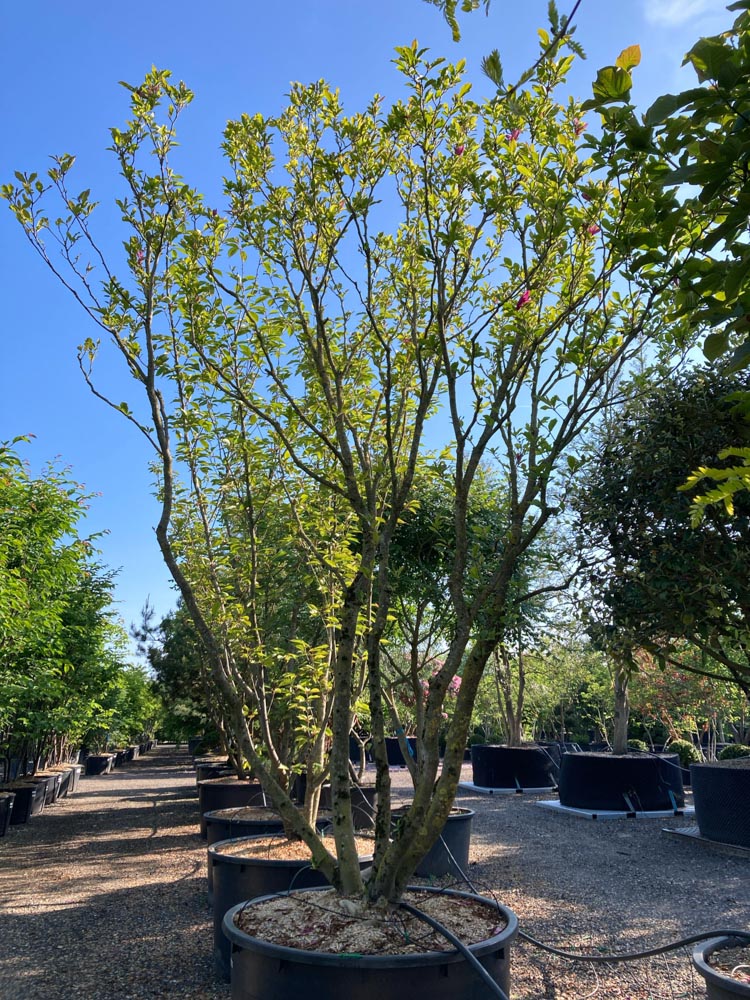
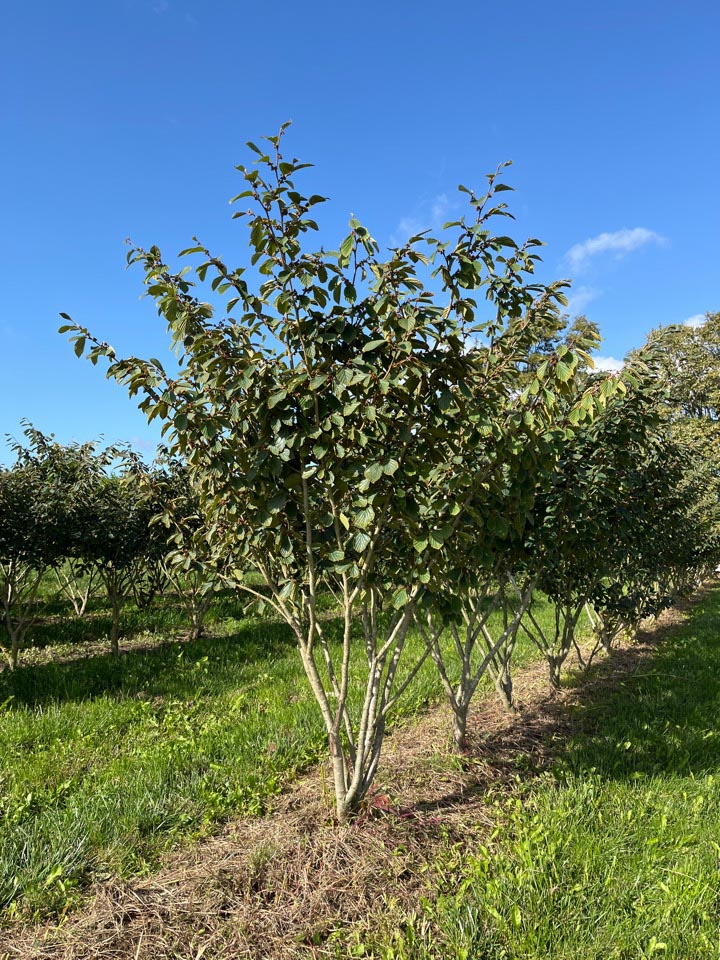
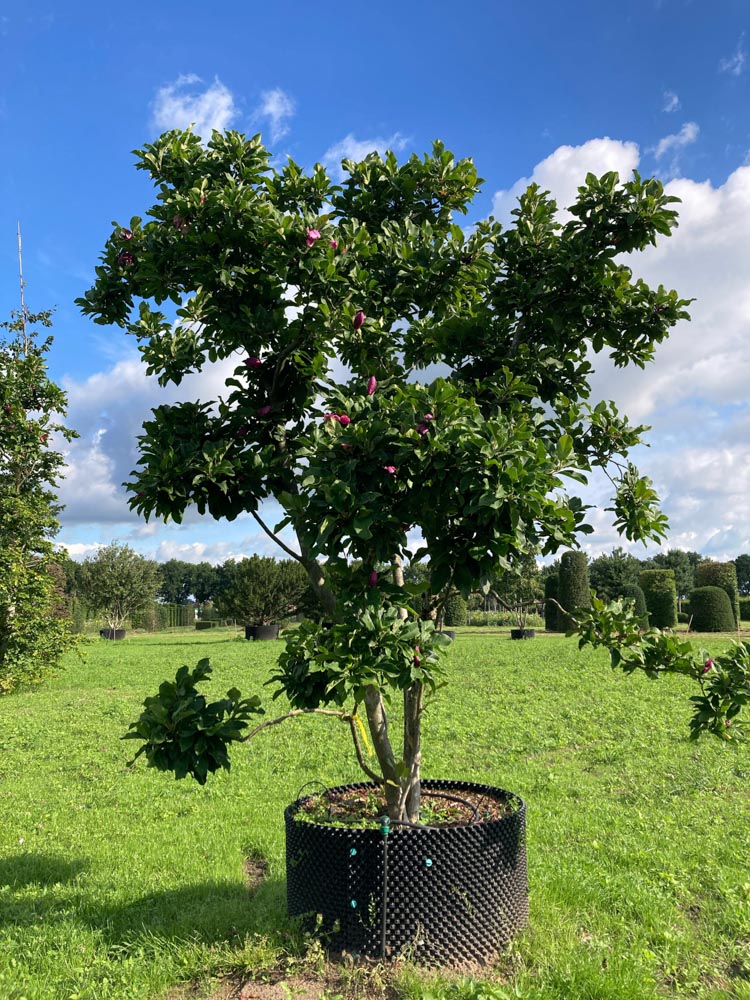
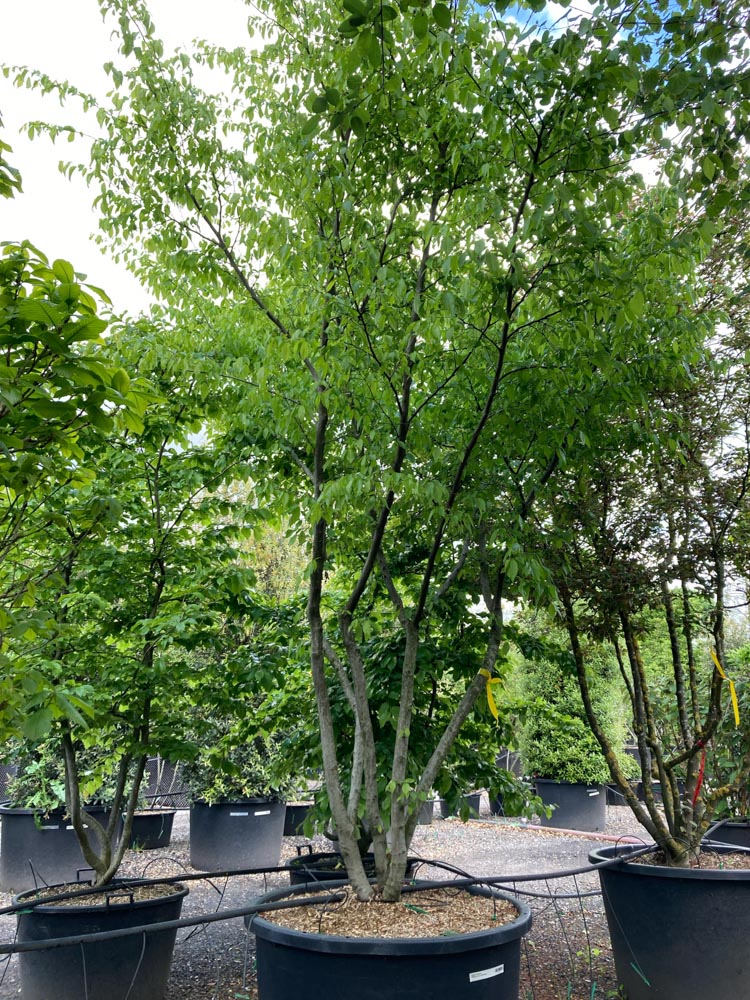
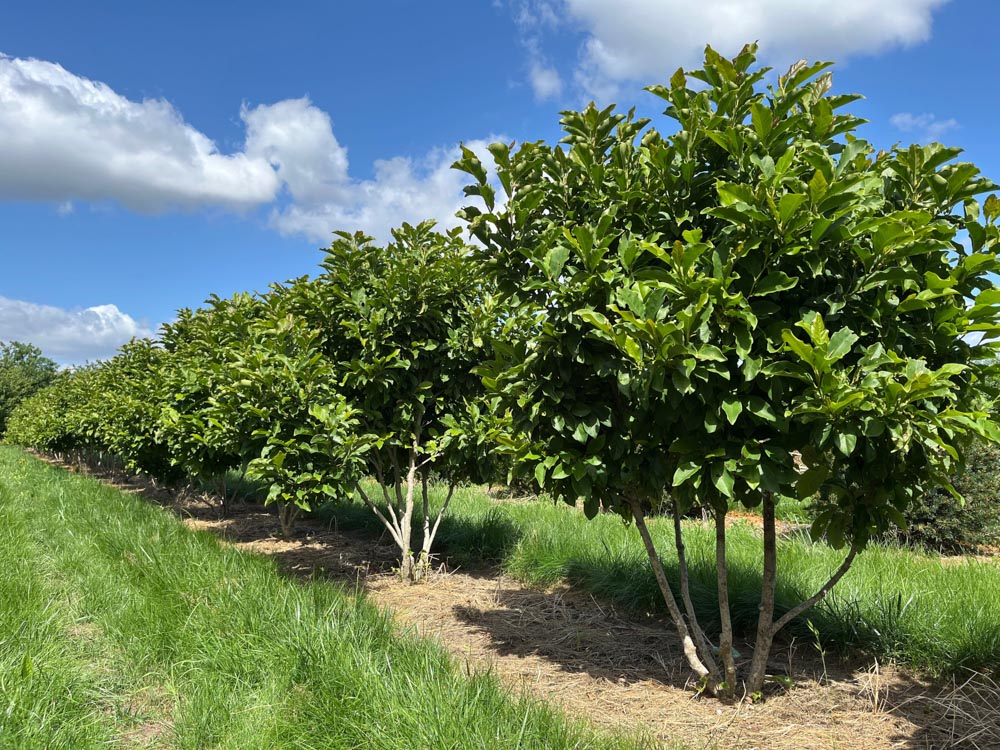
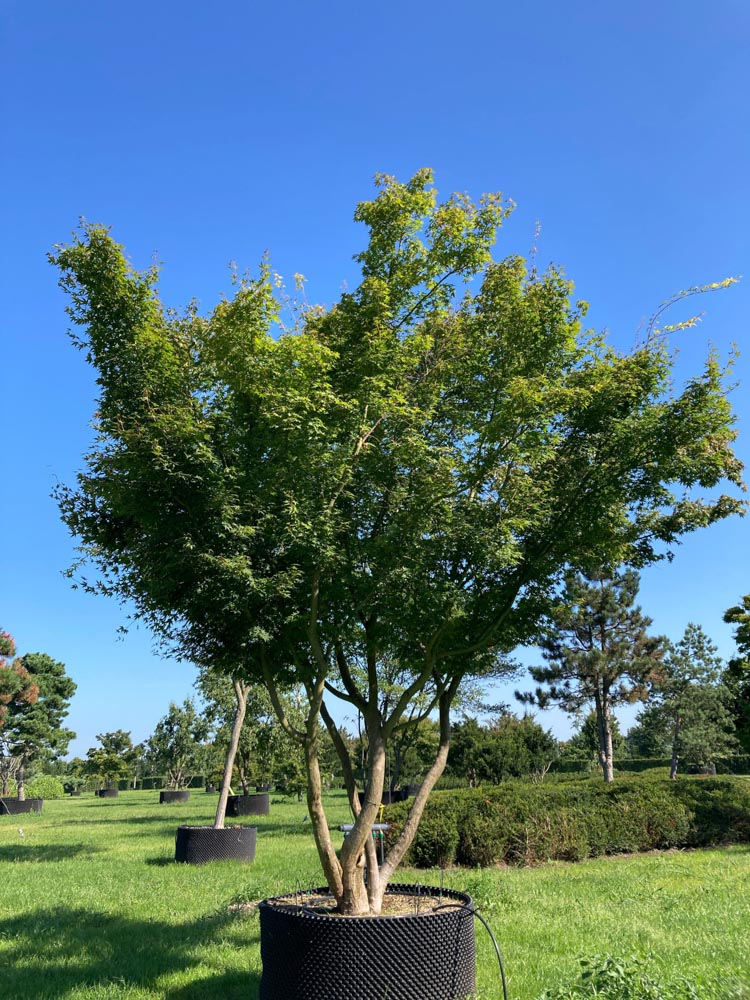
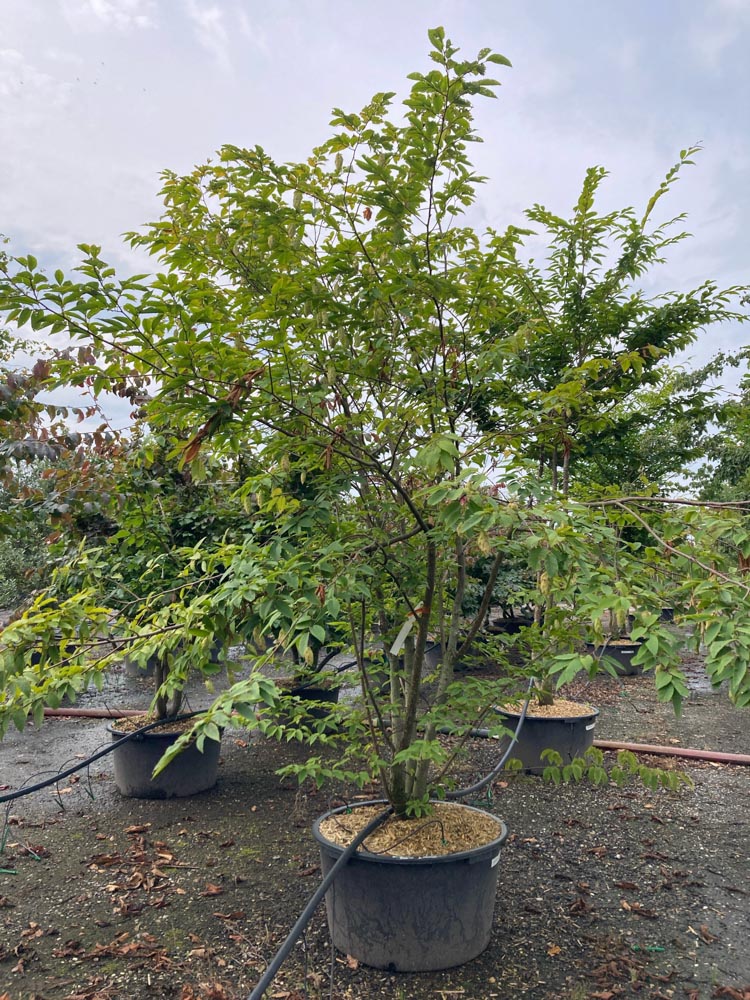
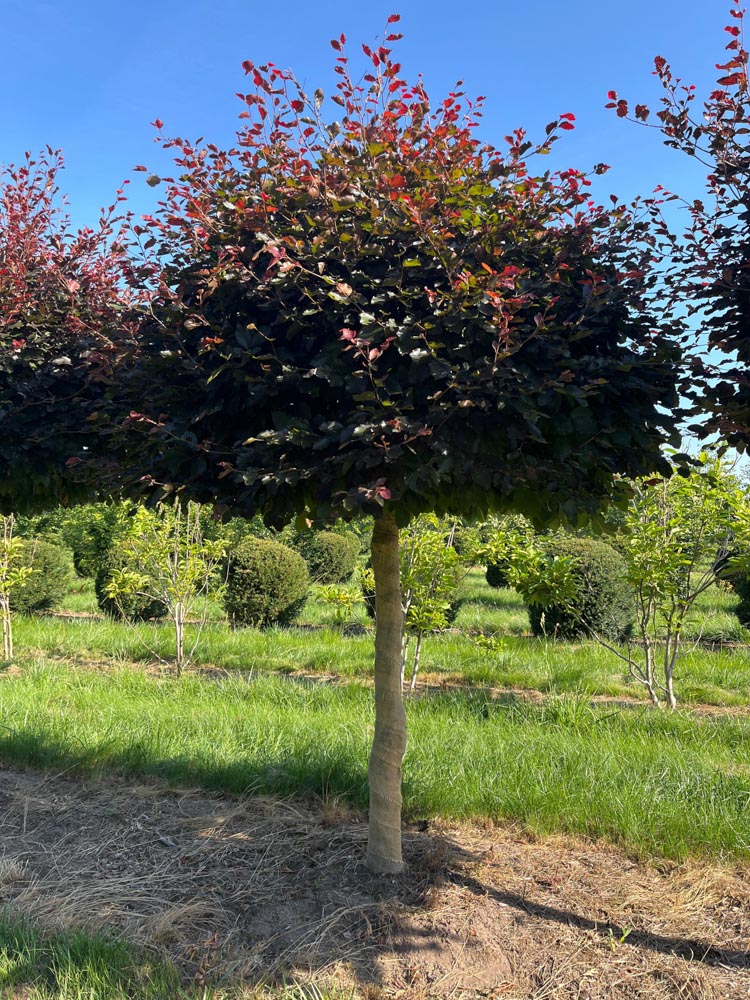
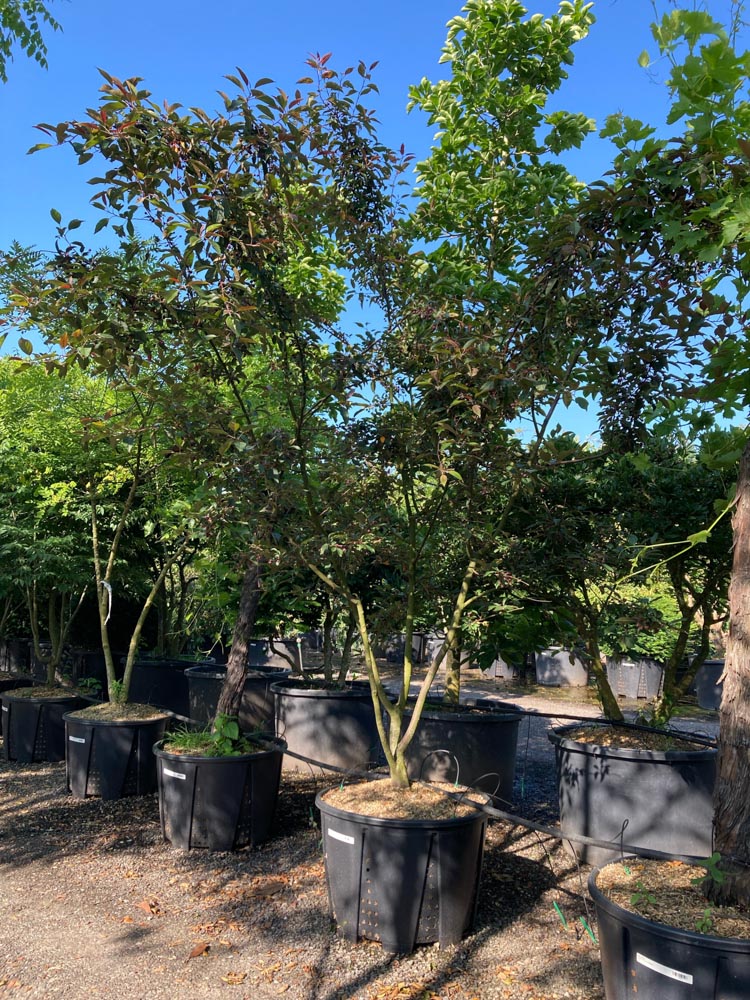
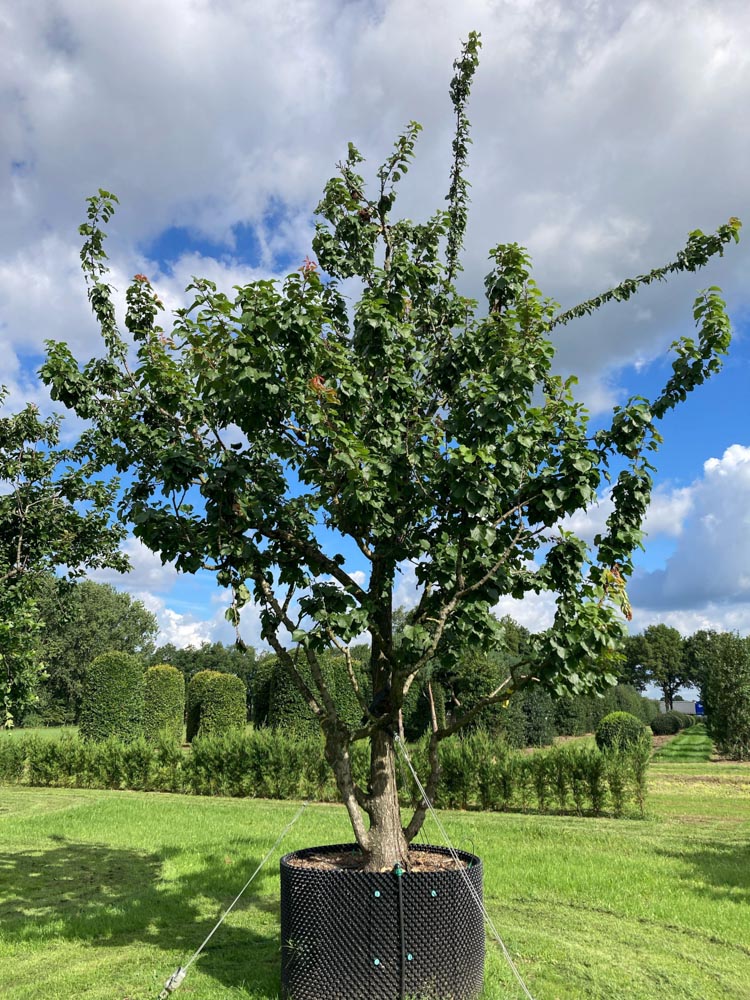
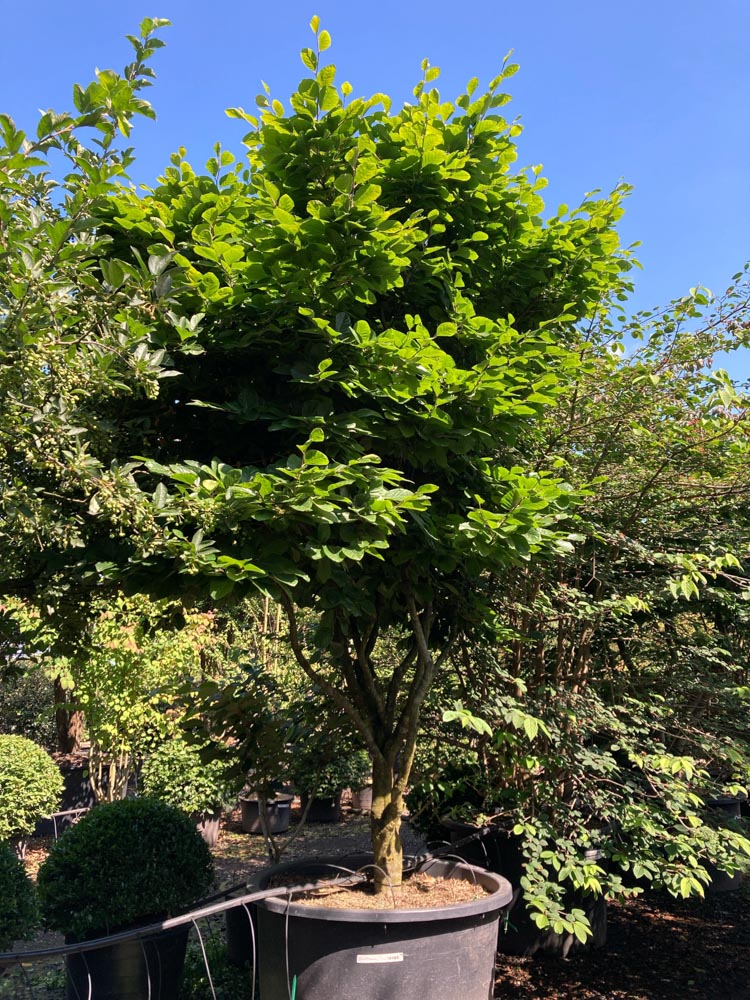
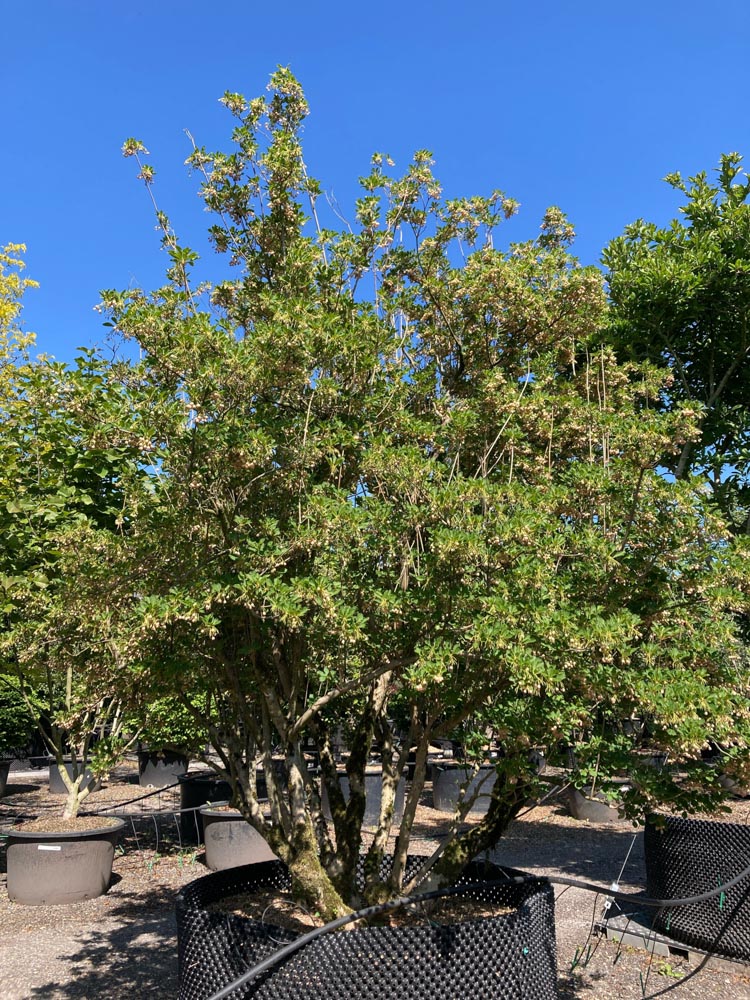
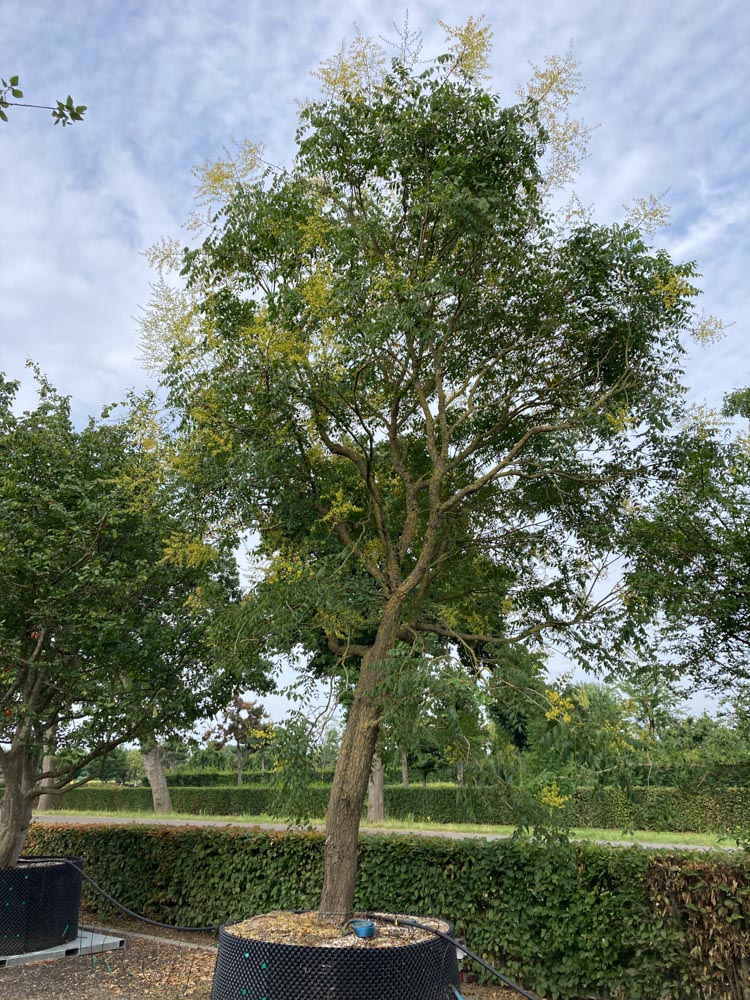
Magnolia ‘Betty’ is a hybrid cultivar belonging to the so-called ‘Little Girl’ series, developed in the 1950s by the US National Arboretum. The series was specially bred to flower later in the season than the early-flowering varieties, thus reducing the risk of frost damage to the flowers. Flowering of ‘Betty’ falls in April-May and produces striking, tulip-shaped flowers in deep pink-purple on the outside with a lighter interior. The flowers are large, up to 20 cm across, and fragrant. ‘Betty’ flowers more profusely than many other magnolias and has the characteristic of sometimes producing a second, more modest flowering during the summer. The growth habit is broad bushy to small tree with multi-stemmed habit. The trunk and branches are grey-green and smooth. The leaves appear after flowering: dark green, glossy and oval, full and lush in summer. In autumn, the leaves turn yellow before falling. Red fruit heads may appear after flowering, although they are less conspicuous than in some other species. Growth rate is moderate. Available from Smits as a multi-stemmed specimen at 350/400 cm in height, a size that immediately gives an imposing presence.
Application and location
Magnolia ‘Betty’ is excellent as a solitary ornamental shrub or small tree in gardens, villa grounds and park designs. Its rich pink blooms in spring are an eye-catcher and its compact, multi-stemmed growth habit fits well into a variety of garden styles. A sunny to slightly sheltered position in a humous, slightly acidic to neutral loam or clay soil is ideal. Calcareous and dry soils are less suitable. The later flowering compared to early flowering magnolias reduces the risk of frost damage to the flowers. Winter hardiness is good for the Netherlands. Can also be used in urban environments.
Do you already know exactly what you need?
Every garden and every greenery project is different. Therefore, at Smits Arboriculture we do not make standard quotations, but we like to look together at what suits your wishes, planning and the character of the project.