About Osmanthus armatus
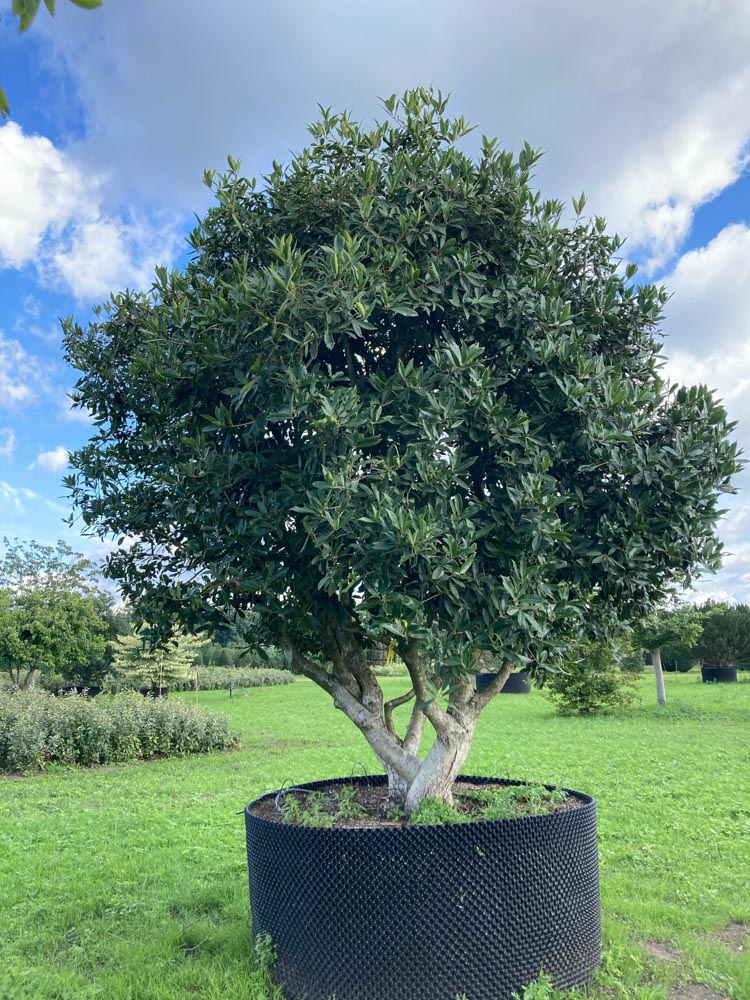
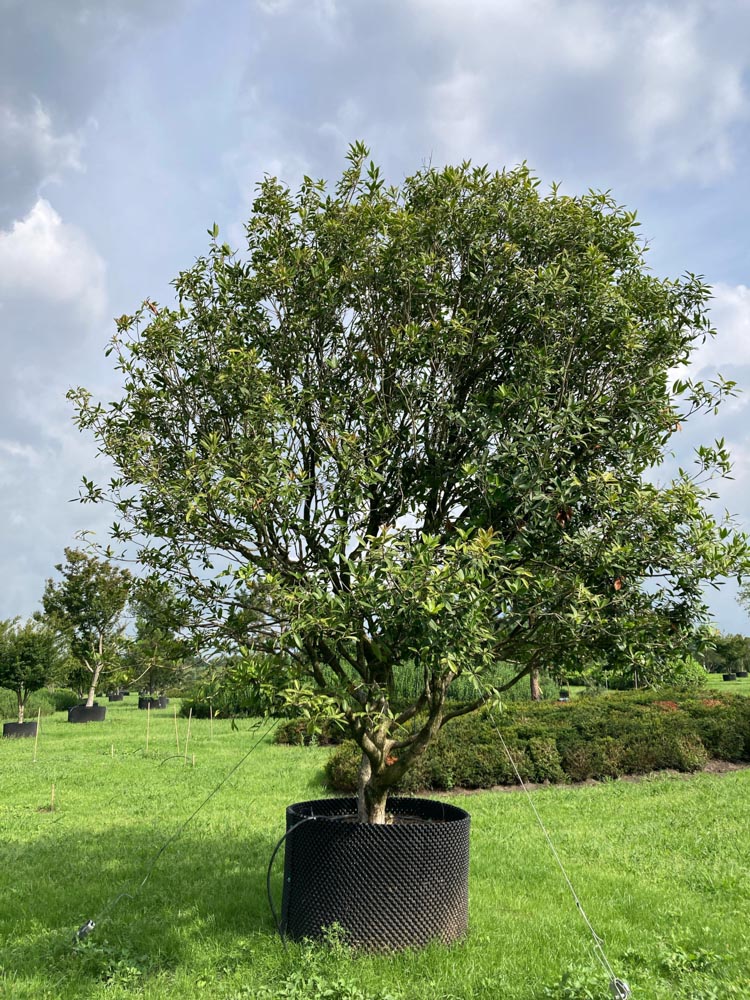
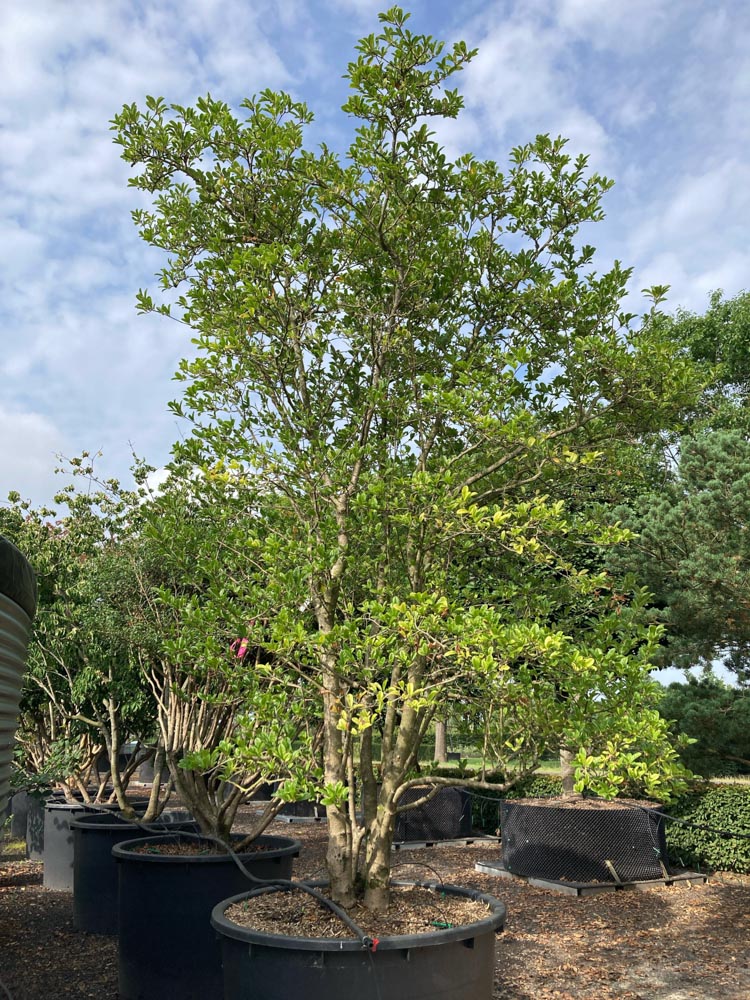
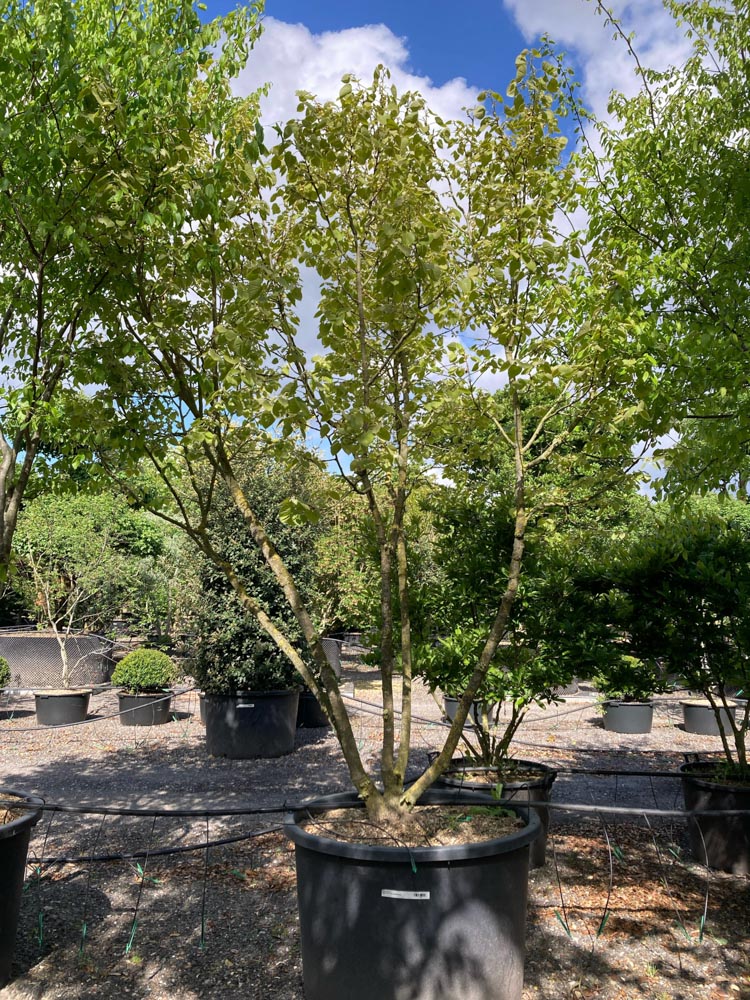
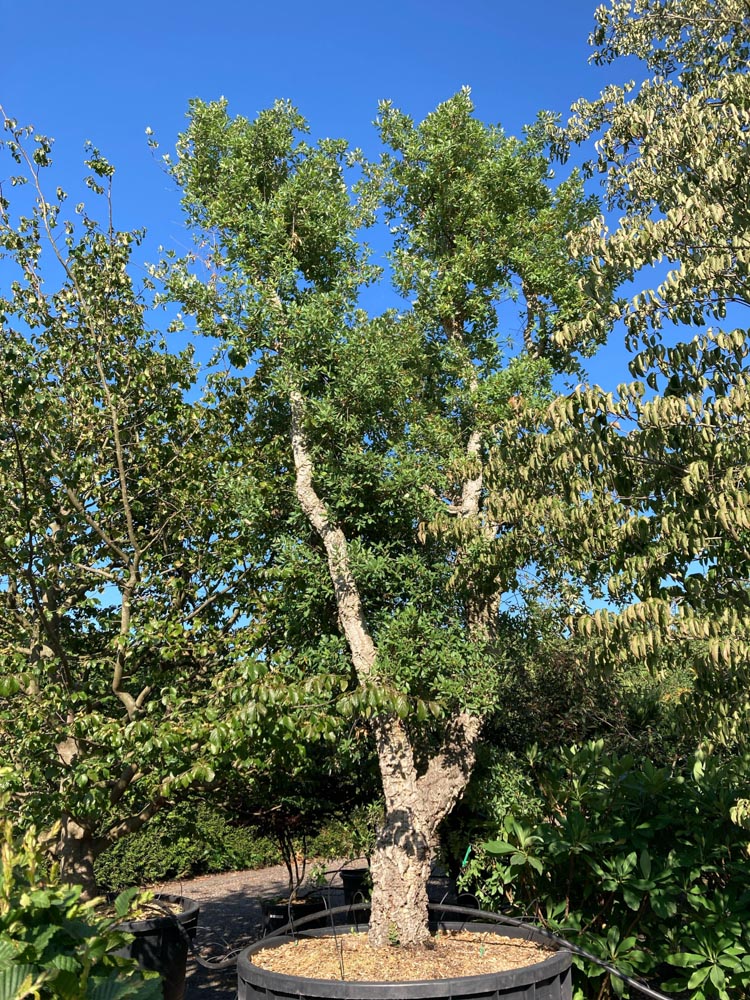
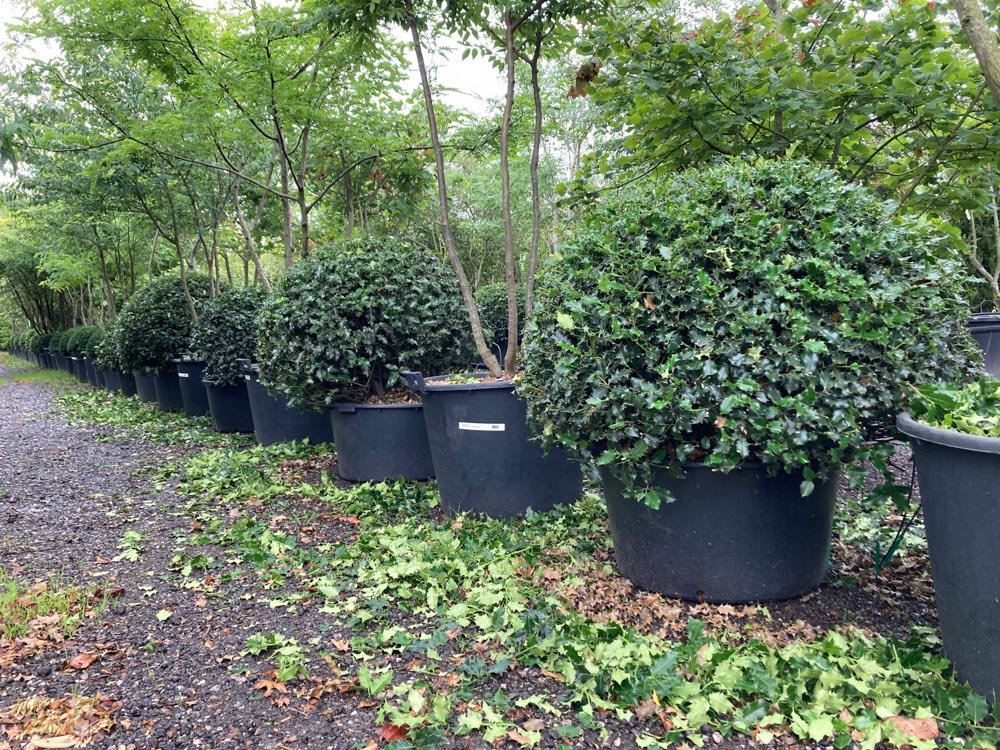
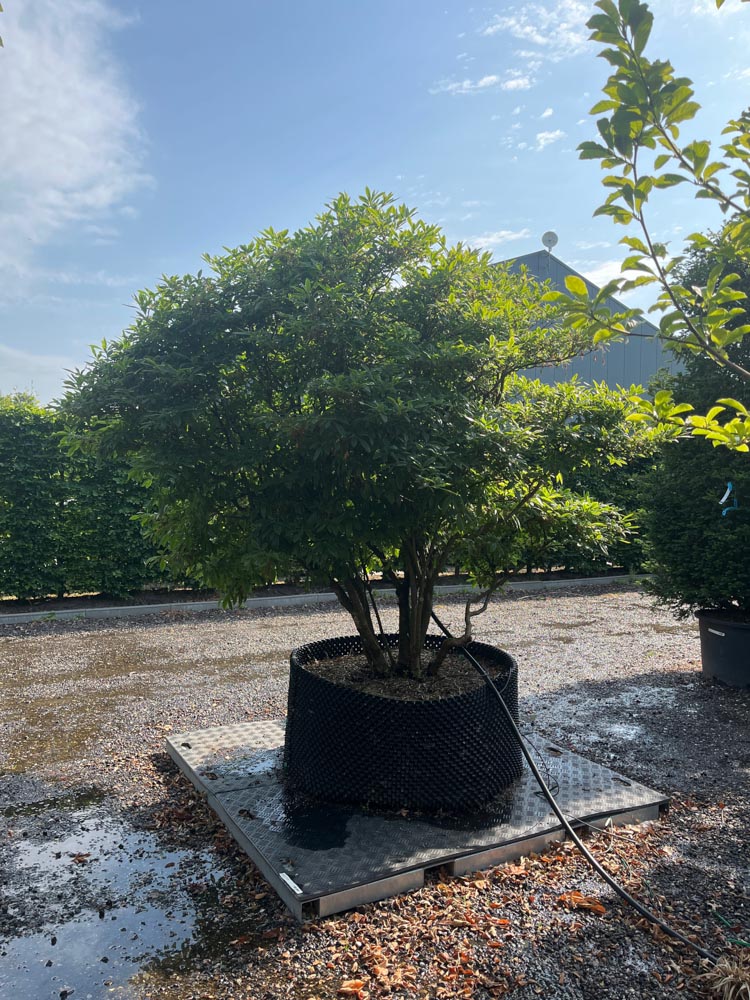
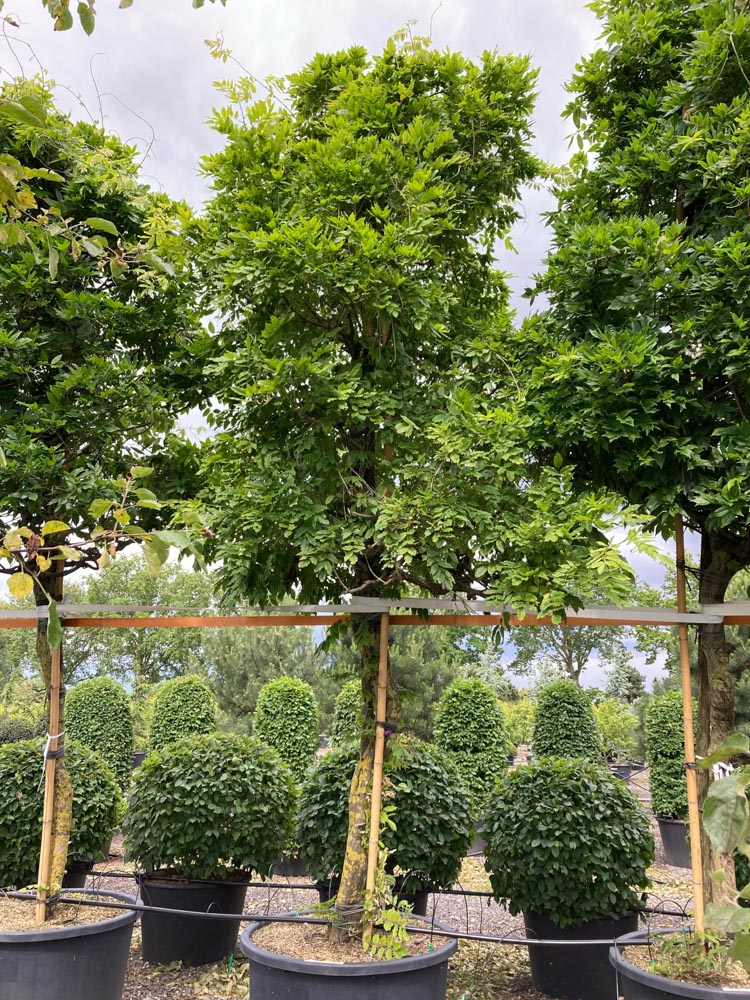
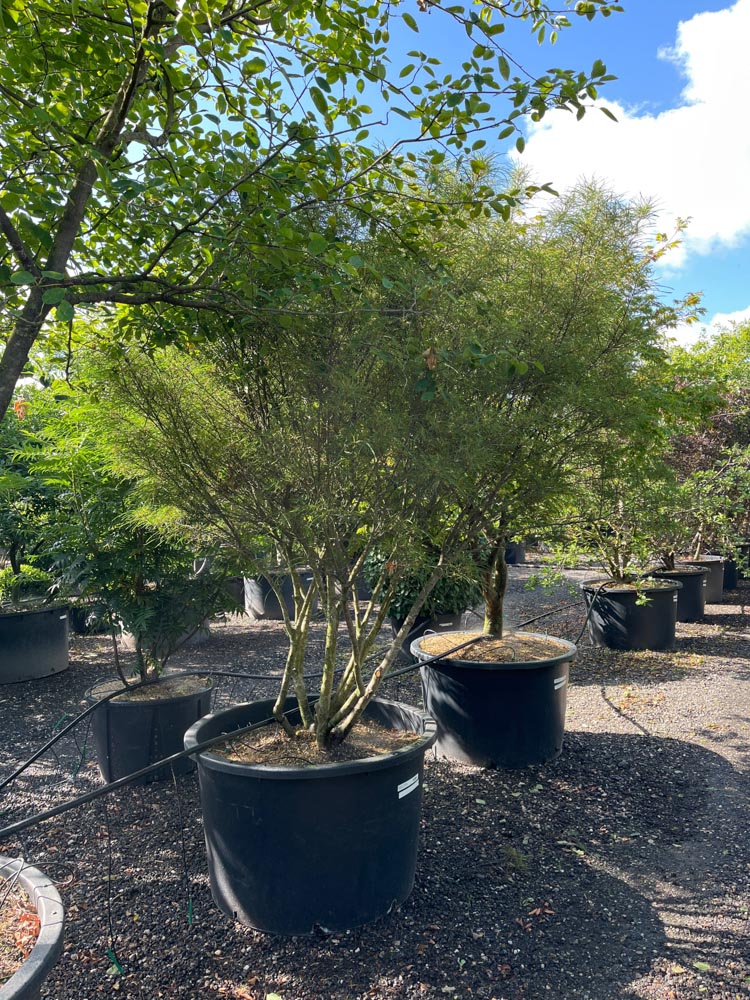
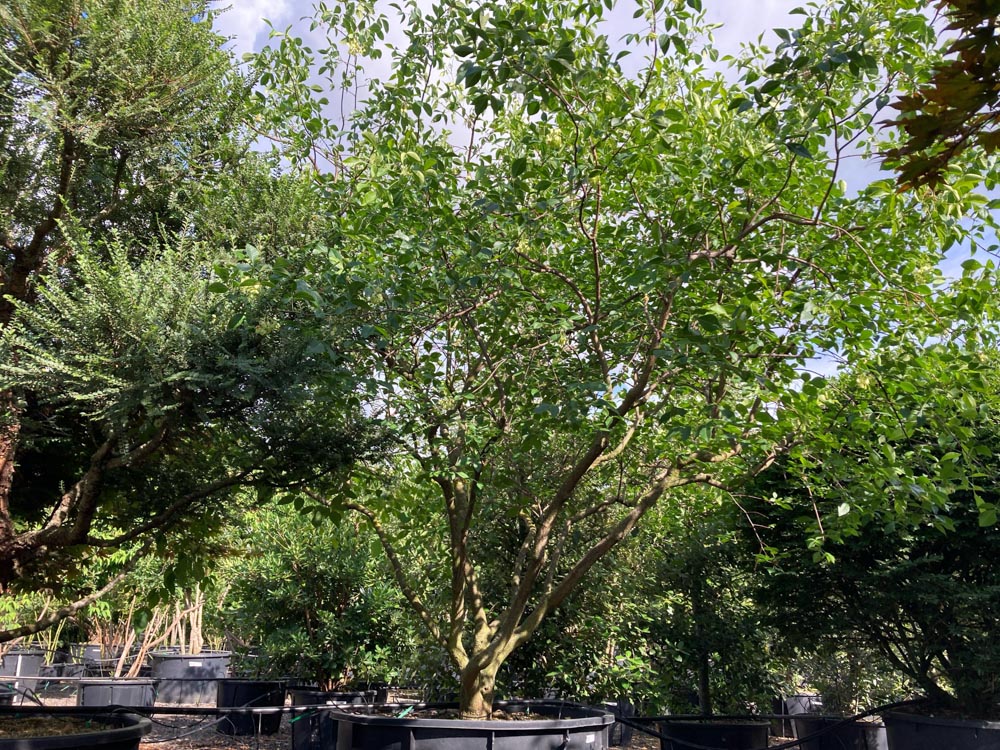
Spiny mock holly is a robust evergreen shrub from China distinguished by its large, very spiny leaves and vigorous growth. This Osmanthus species is slightly coarser and more robust than the common mock holly and has a more wild appearance. The growth form is broad and upright, with vigorous branches forming a full, dense shrub.
The branches are sturdy and grow in a regular pattern. The young twigs are greenish brown and have a slightly rough texture. The plant develops into a substantial, closed shrub.
The leaves are very distinctive: large (up to 12-15 cm long), oblong-ovate and bearing very sharp, spiny teeth all along the edge. These spines are sharper and more prominent than in the common mock holly, hence the name spiny mock holly. The leaf colour is glossy dark green on top and lighter green on the underside. The leaf is leathery and firm, remaining on the plant all year and retaining its glossy appearance. The young leaves often have a bronze hue.
Flowering occurs in September-October with small, creamy-white flowers arranged in bunches in the leaf axils. The flowers are not very large but emit an intense, sweet fragrance characteristic of Osmanthus species. This scent is similar to apricot or jasmine and very pungent. The blooms attract late butterflies and insects.
After flowering, small, blue-black berries may develop, although these do not always ripen in our climate.
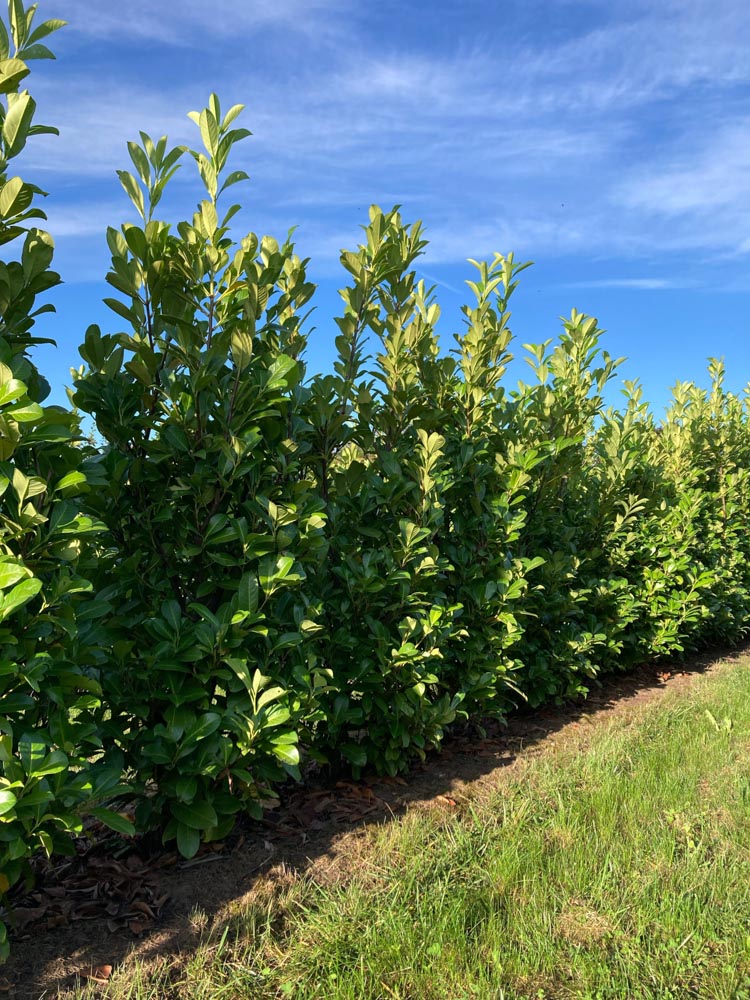
Spiny mock holly grows moderately fast and can grow 3-4 metres tall, sometimes more. The plant is reasonably hardy but requires a sheltered location. Due to its large, spiny leaves, this plant also has a deterrent effect and is very suitable for impenetrable hedges. The combination of robust evergreen leaves, late-scented blooms and repelling spines makes this a very practical and decorative plant.
Application and location
Spiny mock holly is very suitable for protective hedges where an impenetrable barrier is desired. Its sharp spines make this plant highly repellent. Also suitable as a solitary in sheltered gardens. Fits well in formal gardens and as an evergreen structure plant.
Plant in full sun to semi-shade in a sheltered spot. The soil should be moist, humus-rich and well-drained. Hardy to about -15°C but requires shelter from cold winds. In very severe winters, leaf damage may occur but the plant usually recovers.
Give the plant 3-4 metres of space. For hedges, plant at 60-80 cm spacing. Pruning is possible but watch out for sharp spines. Wear gloves when maintaining. For safe, evergreen hedges with repellent properties, this is a very practical choice. Late fragrant flowering is a bonus. Pay attention to winter hardiness and provide good shelter.
Do you already know exactly what you need?
Every garden and every greenery project is different. Therefore, at Smits Arboriculture we do not make standard quotations, but we like to look together at what suits your wishes, planning and the character of the project.