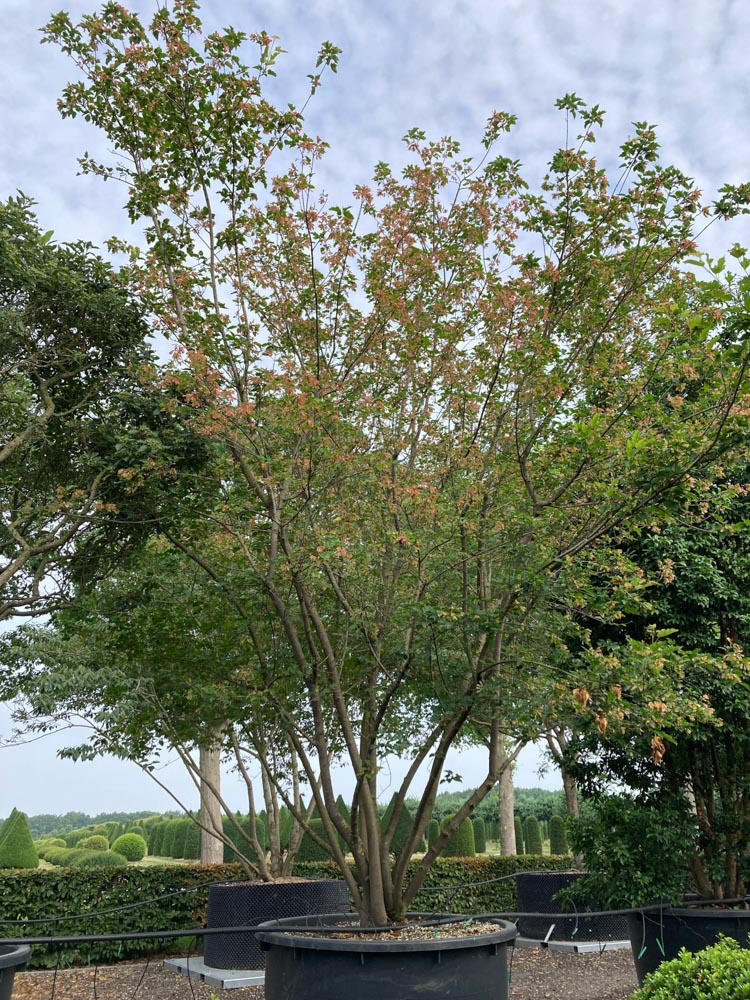
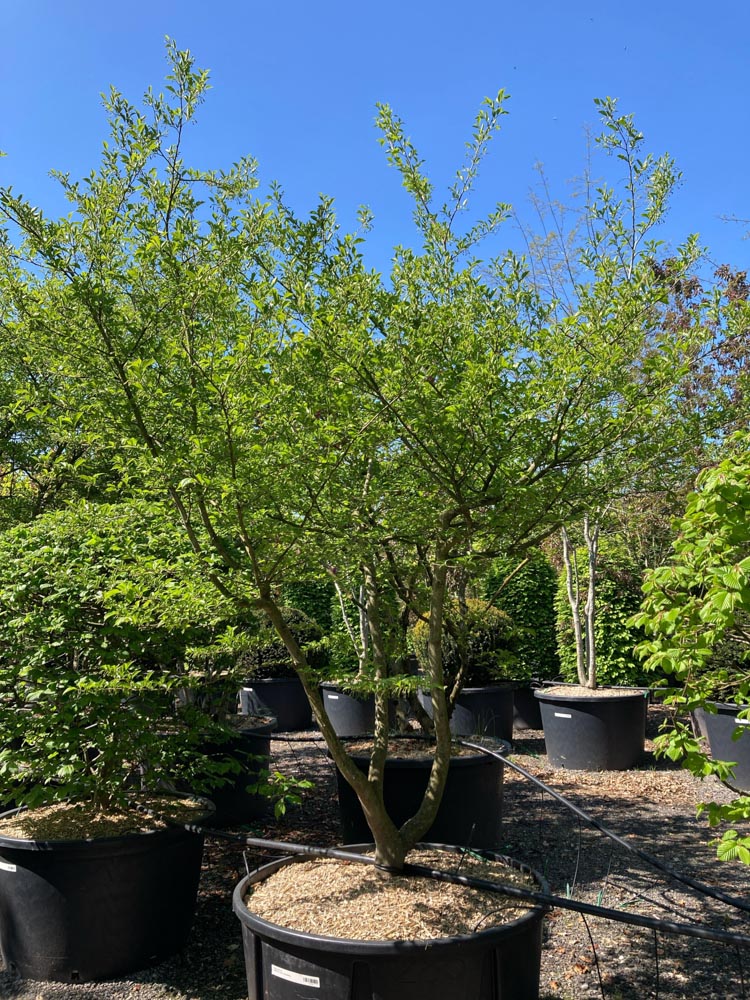
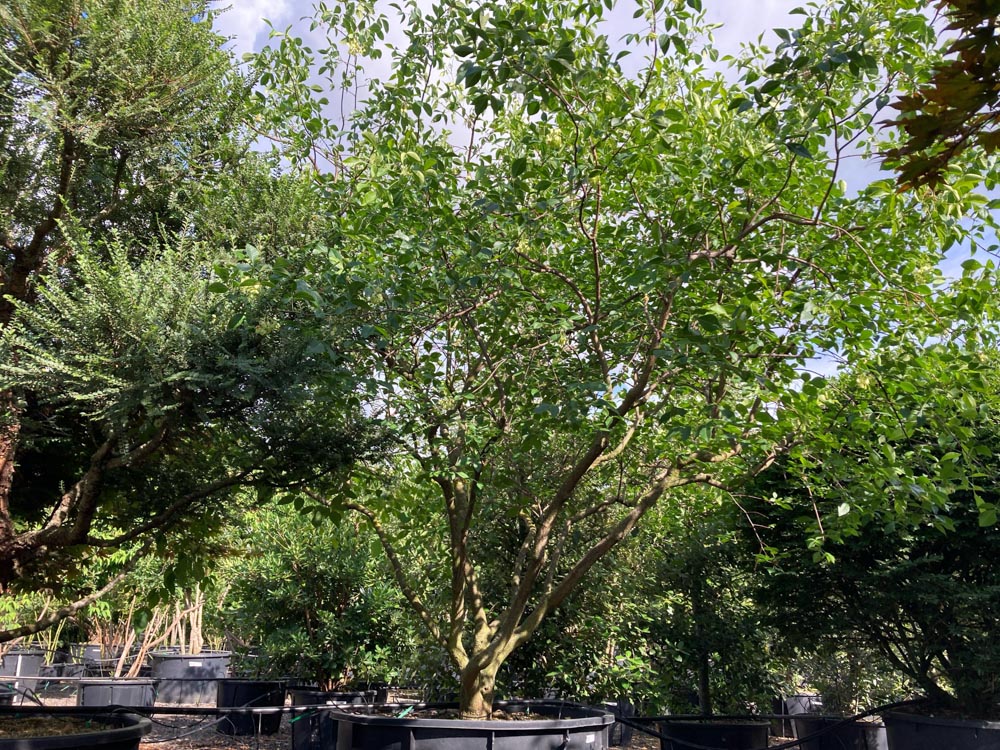
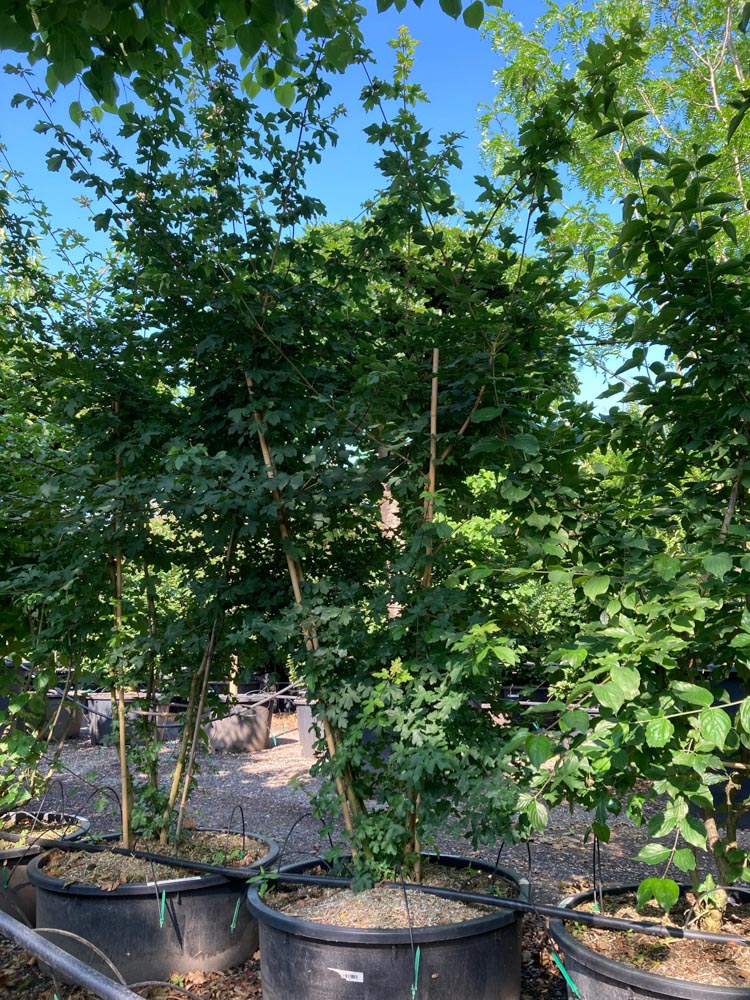
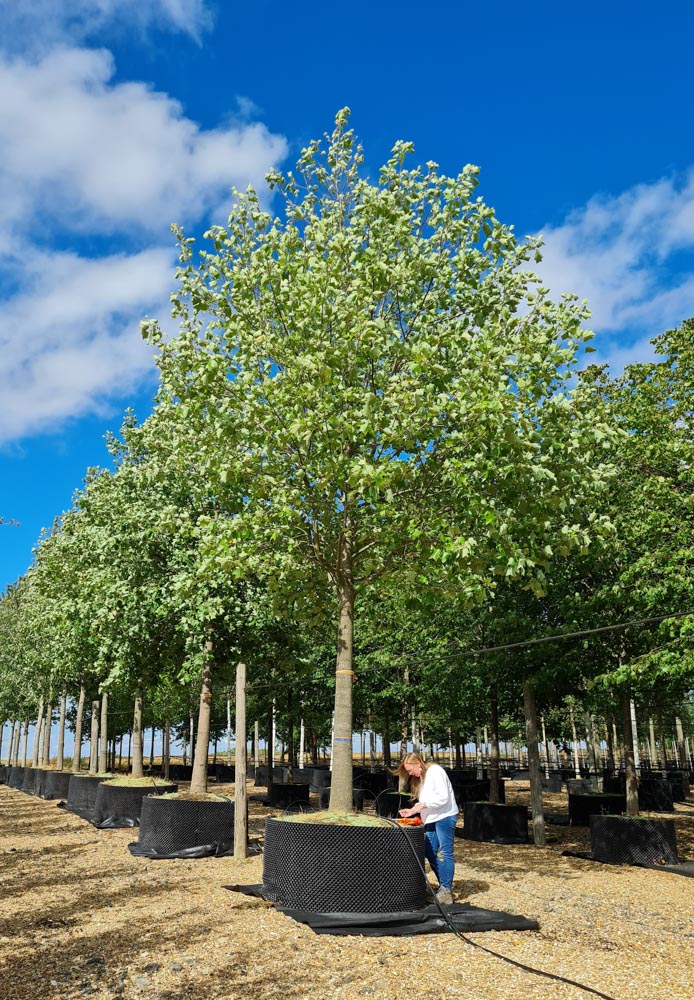
Austrian pine

Family: Pine family

Pinus nigra nigra

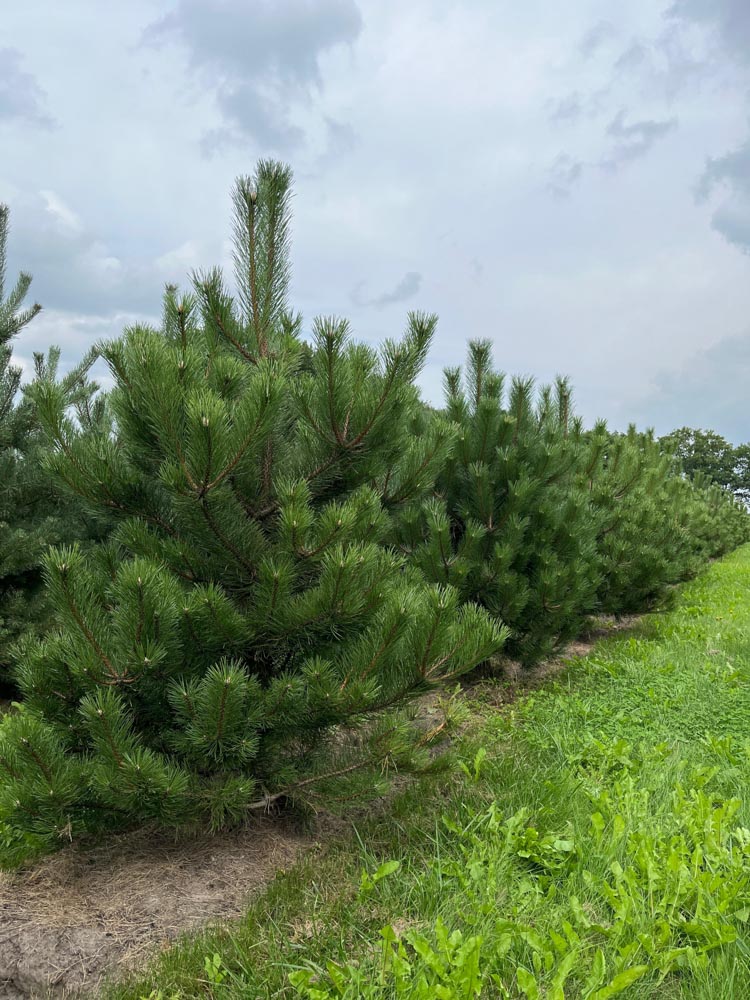
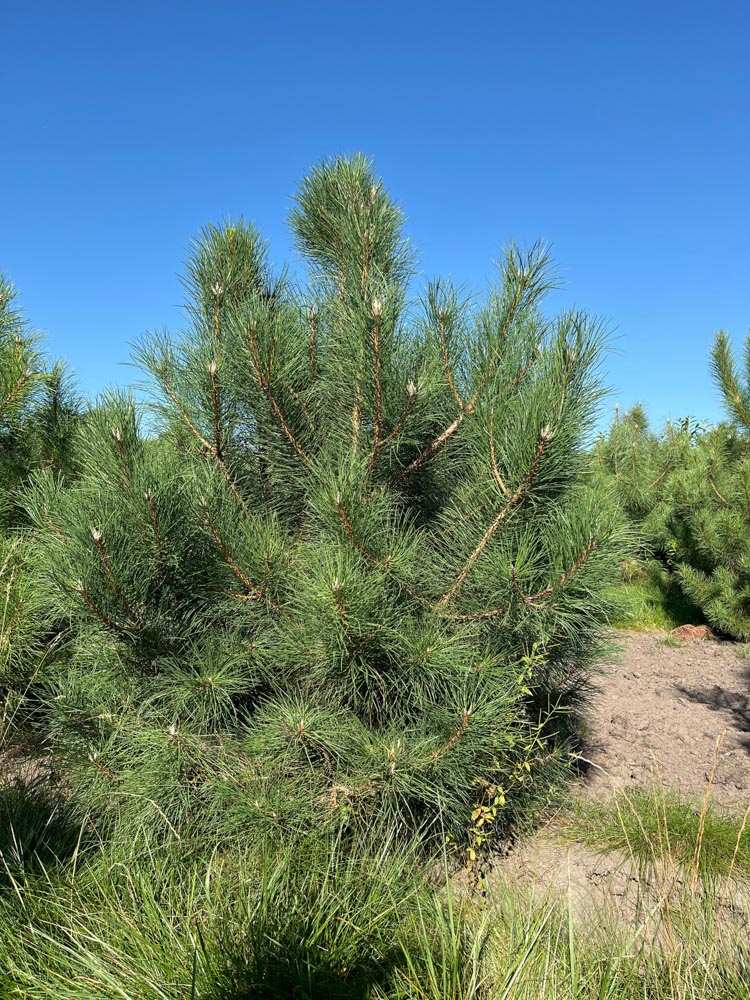
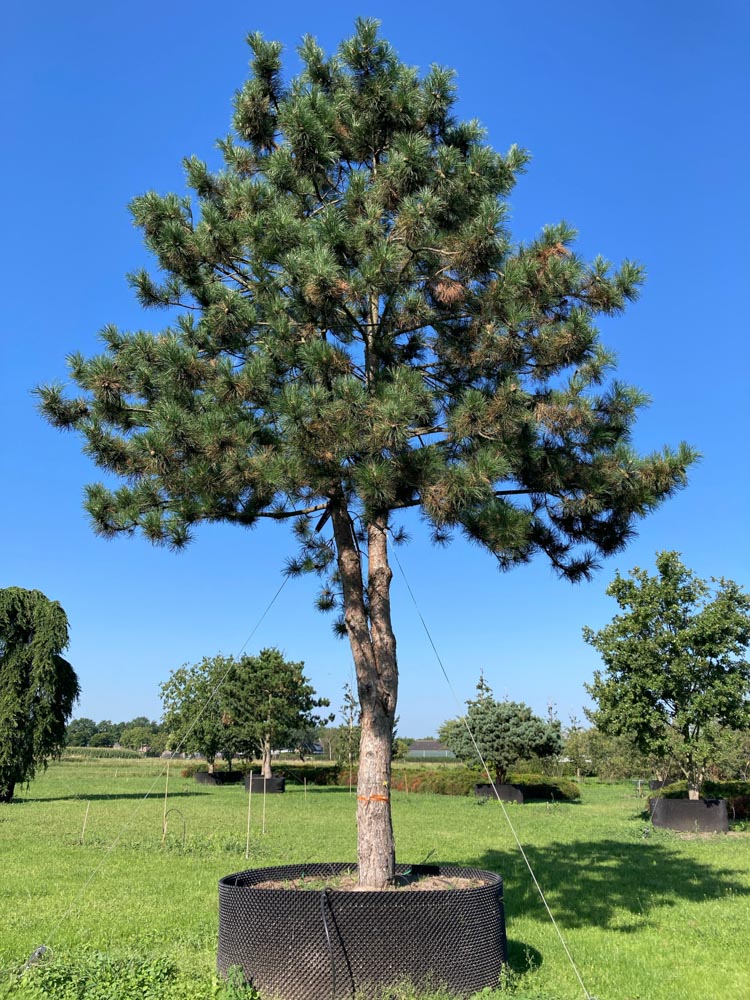
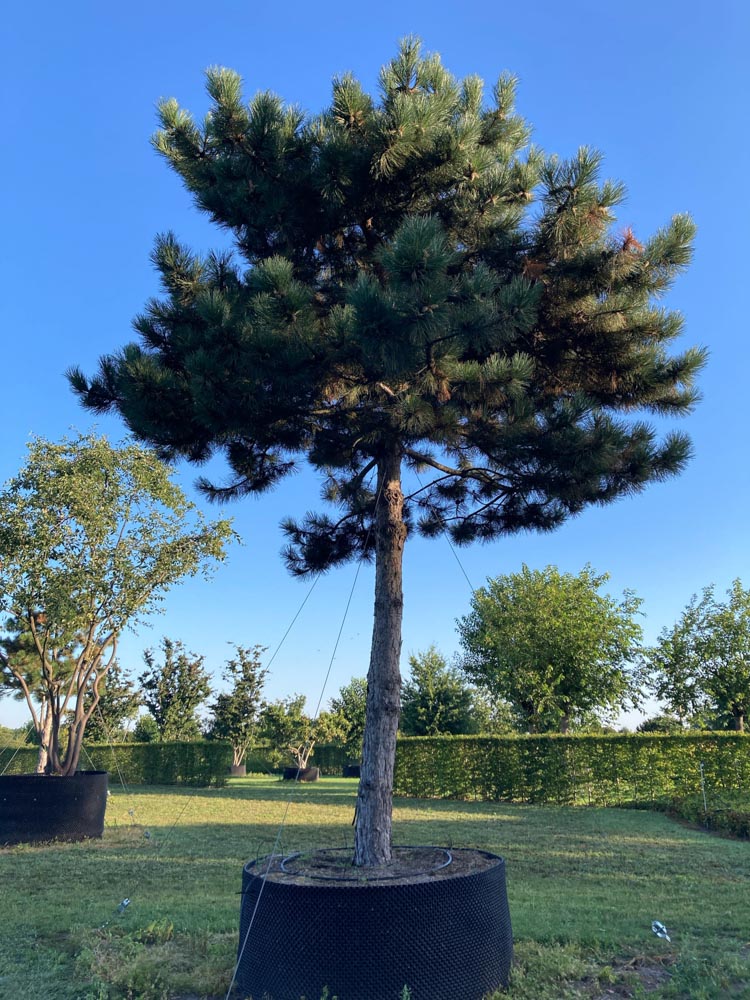
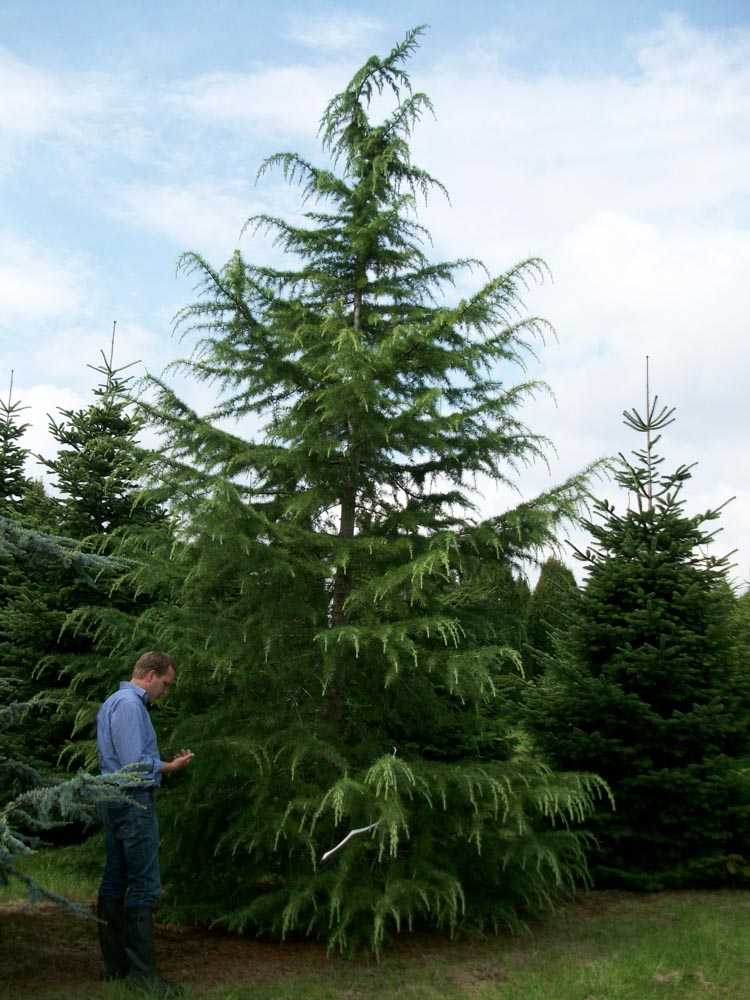
Pinus nigra nigra Austrian pine height 175/200 cm in wire root ball

About Pinus nigra nigra

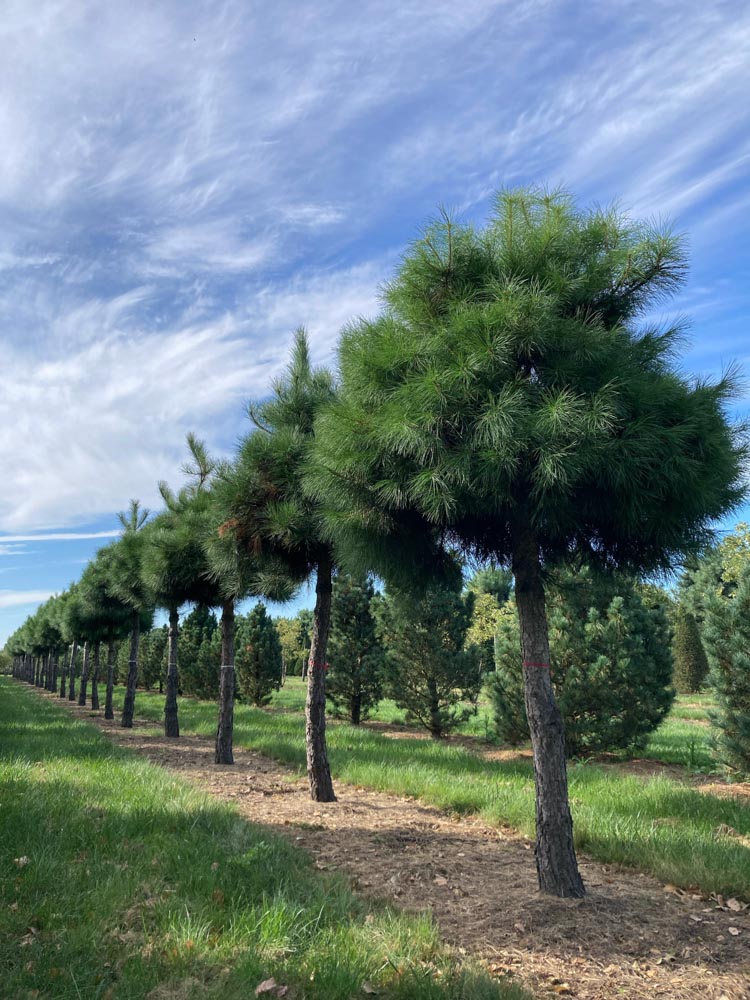
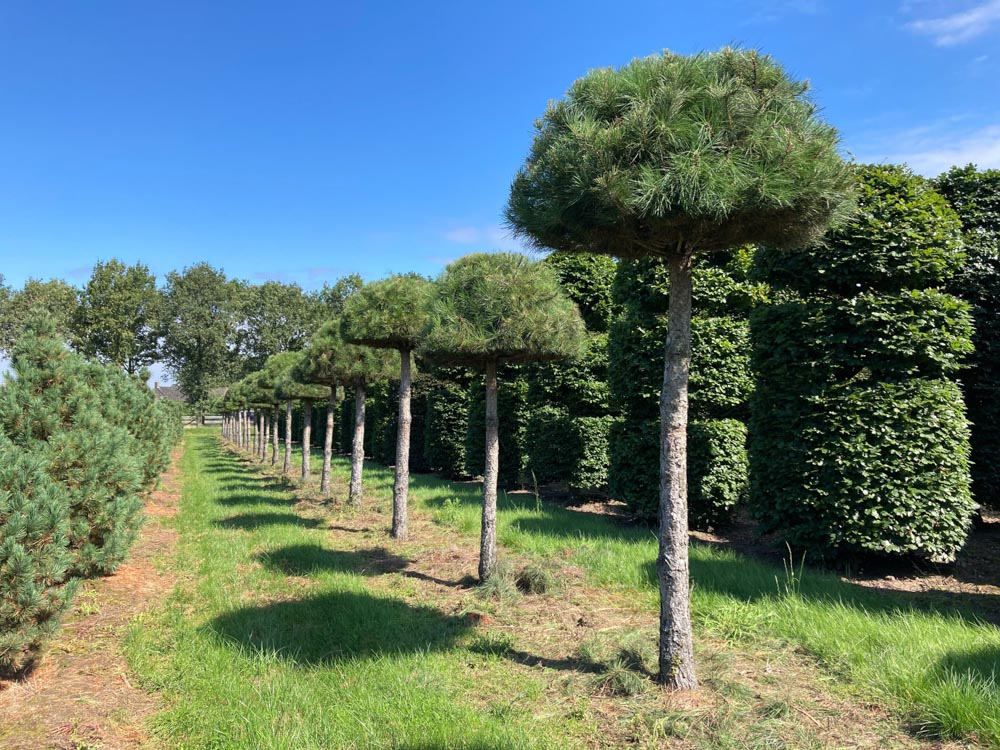
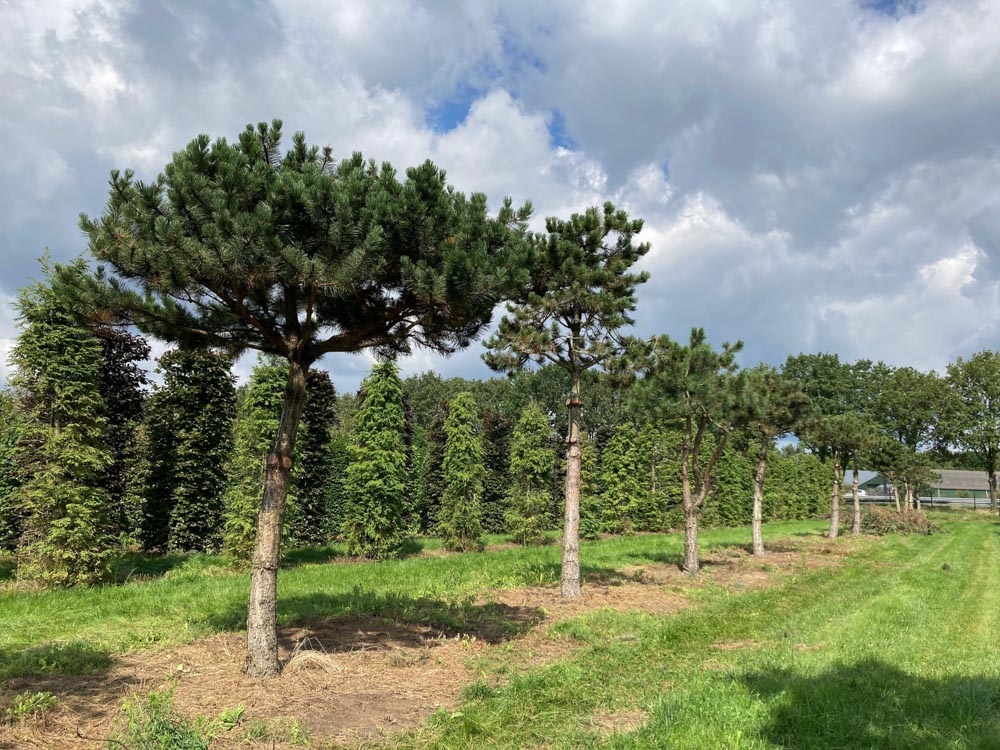
Pinus nigra subsp. nigra, the Austrian pine, is an impressive evergreen pine native to the mountain forests of Austria, the Balkans and adjacent areas of central and southern Europe. The species was widely planted in the 18th and 19th centuries for forestation and windbreaks on poor, calcareous soils - a use that highlights how robust and versatile the species is. The growth form is broadly conical in the young stage, with the crown becoming wider and flatter with age. At maturity, the tree grows 20 to 30 metres tall. Available from Smits in an exceptionally wide range of sizes and pruning variants: as a standard tree in trunk circumferences of 35-40 to 80-90 centimetres, as a free plant from 175/200 to 350/400 centimetres in height - all in drkl quality. The trunk has a dark grey-brown, deeply grooved plate-shaped bark that is particularly characteristic and imposing in older specimens. The needles are dark green, in pairs, stiff and relatively long - 8 to 16 centimetres. Those long, dark needles are a distinctive feature compared to other pine species. The cones are 5 to 8 centimetres long, oval and brown. Growth is moderate to quite fast. Pinus nigra nigra has excellent drought tolerance, wind resistance, salt tolerance and good resistance to air pollution. On calcareous soil, it performs better than many other pine species. This broad robustness makes it particularly suitable for urban environments and difficult sites.

Application and location

Pinus nigra nigra is a versatile, robust pine for gardens, parks and urban settings. Its imposing size, characterful dark bark and excellent tolerance to drought, wind and air pollution make it suitable for a variety of sites. It thrives on full sun to semi-shade. On loam, clay, calcareous soil and sand - also on poor and calcareous soil. Drought tolerance and wind resistance are excellent. Winter hardiness is excellent. Available from Smits as a standard and free plant from 175/200 to 350/400 cm high.

Do you already know exactly what you need?

Every garden and every greenery project is different. Therefore, at Smits Arboriculture we do not make standard quotations, but we like to look together at what suits your wishes, planning and the character of the project.

our opinion

The properties below show the ideal conditions for a Pinus nigra nigra. They will help you choose the right species for your project, but may vary slightly from one garden or project to another.

the runners

This is a list of the most frequently selected products. Looking for a specific product? Visit contact with us and we will be happy to help you personally. 

Dimensions

Value

Delivery form

Feature

Photo

Height
175/200 cm
Wire clod
/
84102-1.jpg

Is the image missing?
Mail to info@smitsbv.nl

Height
200/250 cm
Wire clod
/
70204-1.jpg

Is the image missing?
Mail to info@smitsbv.nl

Height
250/300 cm
Wire clod
/
79983-1.jpg

Is the image missing?
Mail to info@smitsbv.nl

Height
300/350 cm
Wire clod
/
79984-1.jpg

Is the image missing?
Mail to info@smitsbv.nl

Height
350/400 cm
Wire clod
/
83508-1.jpg

Is the image missing?
Mail to info@smitsbv.nl

Diameter
35-40 cm tall
Wire clod
/
493-1.jpg

Is the image missing?
Mail to info@smitsbv.nl

Diameter
40-45 cm tall
Wire clod
/
60224-1.jpg

Is the image missing?
Mail to info@smitsbv.nl

Diameter
45-50 cm tall
Wire clod
/
60225-1.jpg

Is the image missing?
Mail to info@smitsbv.nl

Diameter
50-60 cm tall
Wire clod
/
83558-1.jpg

Is the image missing?
Mail to info@smitsbv.nl

Diameter
60-70 cm tall
Wire clod
/
48699-1.jpg

Is the image missing?
Mail to info@smitsbv.nl

Diameter
60-70 cm tall
Container
/
66634-1.jpg

Is the image missing?
Mail to info@smitsbv.nl

Diameter
70-80 cm tall
Wire clod
/
48703-1.jpg

Is the image missing?
Mail to info@smitsbv.nl

Diameter
70-80 cm tall
Container
/
66659-1.jpg

Is the image missing?
Mail to info@smitsbv.nl

Diameter
80-90 cm tall
Container
/
66699-1.jpg

Is the image missing?
Mail to info@smitsbv.nl

Is the Pinus nigra nigra you are looking for not listed?

No worries. Chances are we still have the species you are looking for! Visit contact with us and we will be happy to help you. 

Every garden and every greenery project is different. Therefore, at Smits Arboriculture we do not make standard quotations, but we like to look together at what suits your wishes, planning and the character of the project.

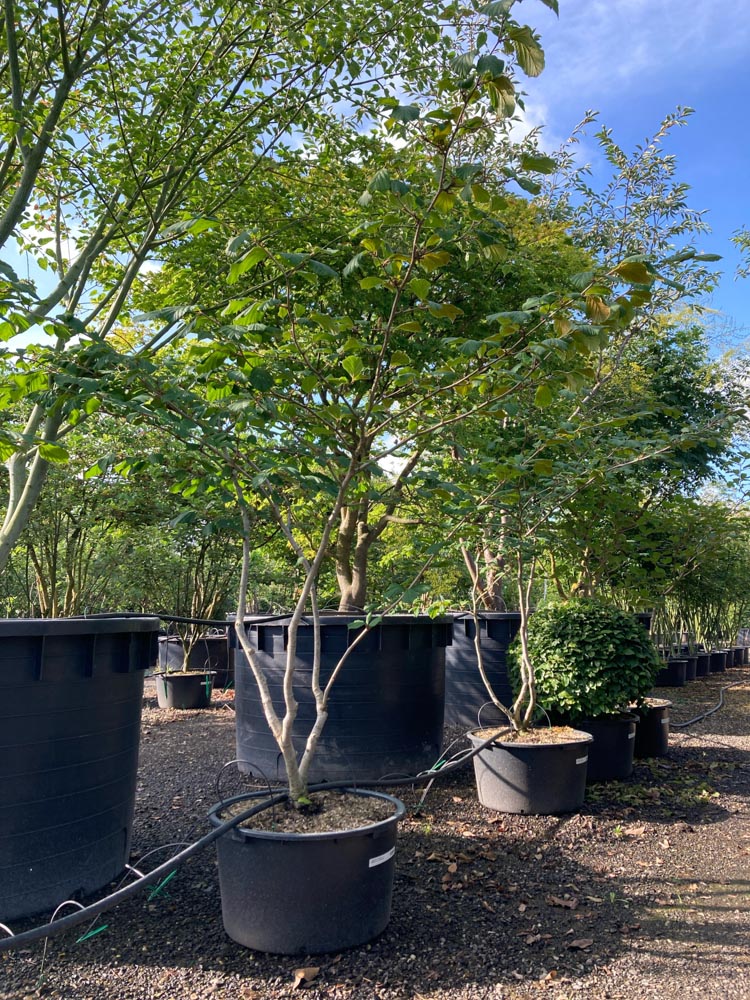
Get inspired by our park, container field and the way trees and hedges come together in the design. Ideal for getting ideas for your next project.
Discover how gardeners and designers apply our greenery in high-quality garden and green space projects. From villa gardens to larger landscape projects.

FAQ

Frequently asked questions on Pinus nigra nigra

At maturity, the Austrian pine grows 20 to 30 metres tall with a broad crown that flattens with age. At Smits, it is available as a standard tree in stem sizes from 35-40 to 80-90 centimetres and as a free plant from 175/200 to 350/400 centimetres in height.
Yes, fully evergreen. The dark green, long needles remain present throughout the year. This makes the Austrian pine a full, green textured tree even in winter.
Yes, par excellence. Pinus nigra nigra performs better on calcareous soil than many other pine species. In its native habitat in the Alps and the Balkans, it grows on limestone and lime-rich soil. On calcareous, dry soil, it is a reliable choice.
Yes, excellent. Its tolerance to air pollution, drought and calcareous soil makes the Austrian pine particularly suitable for urban sites. In the 19th and early 20th centuries, it was widely planted along railways and in parks.
Yes, well drought-tolerant. In dry, sparse soil where other trees fail, the Austrian pine functions reliably. That trait combined with its large size makes it valuable for difficult locations.
Excellent winter hardiness. The species endures harsh Dutch winters problem-free and is completely reliable as a permanent outdoor tree.
Austrian pine has longer, darker and stiffer needles than Scots pine (Pinus sylvestris) and a darker, coarser bark. Scots pine has the characteristic red-orange upper bark on older specimens; it is absent from Pinus nigra. Austrian pine also grows slightly larger and less irregularly.
Loam, clay, calcareous soil and sand are suitable. Austrian pine is soil-tolerant and also grows in poor, dry and calcareous soil. Good permeability is the only real requirement; prolonged wet feet are detrimental.

See also