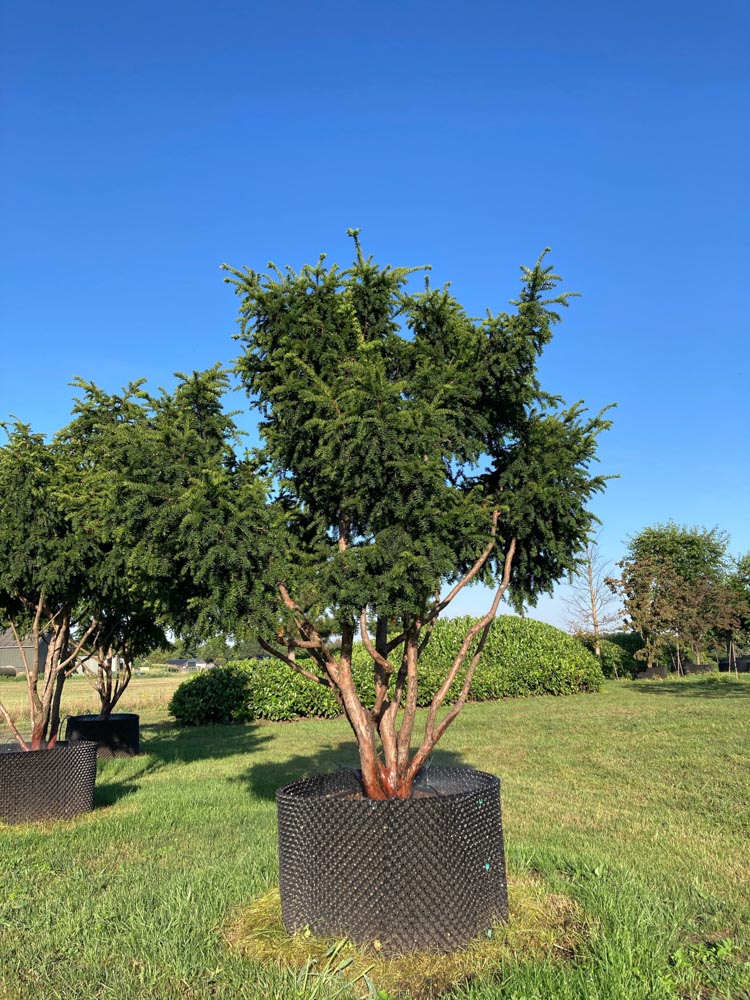
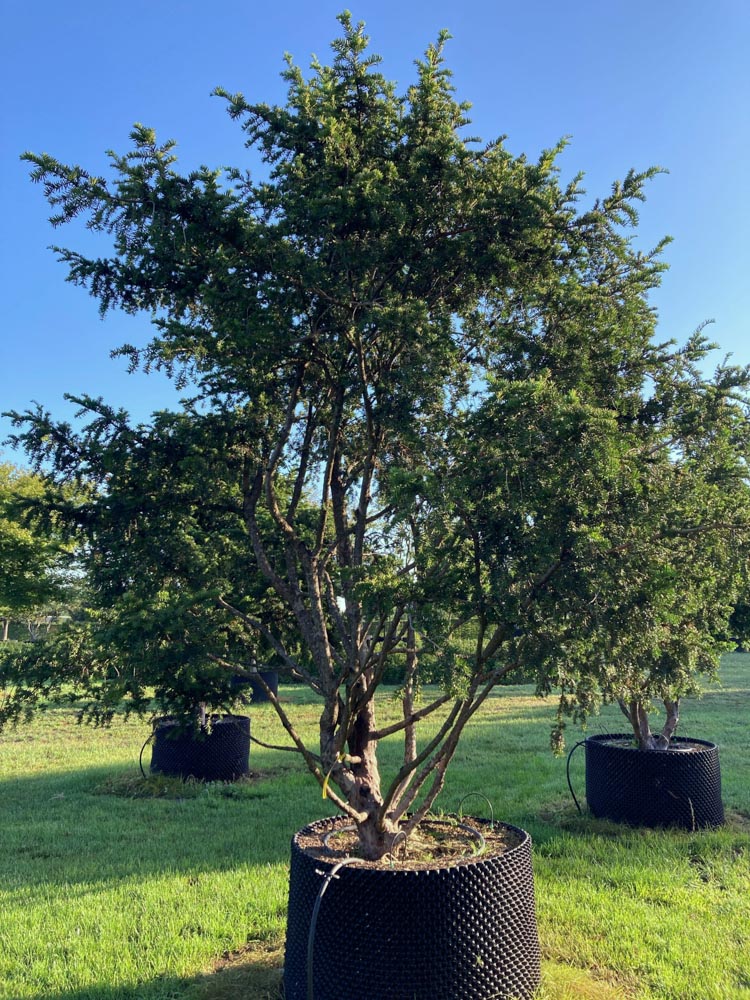
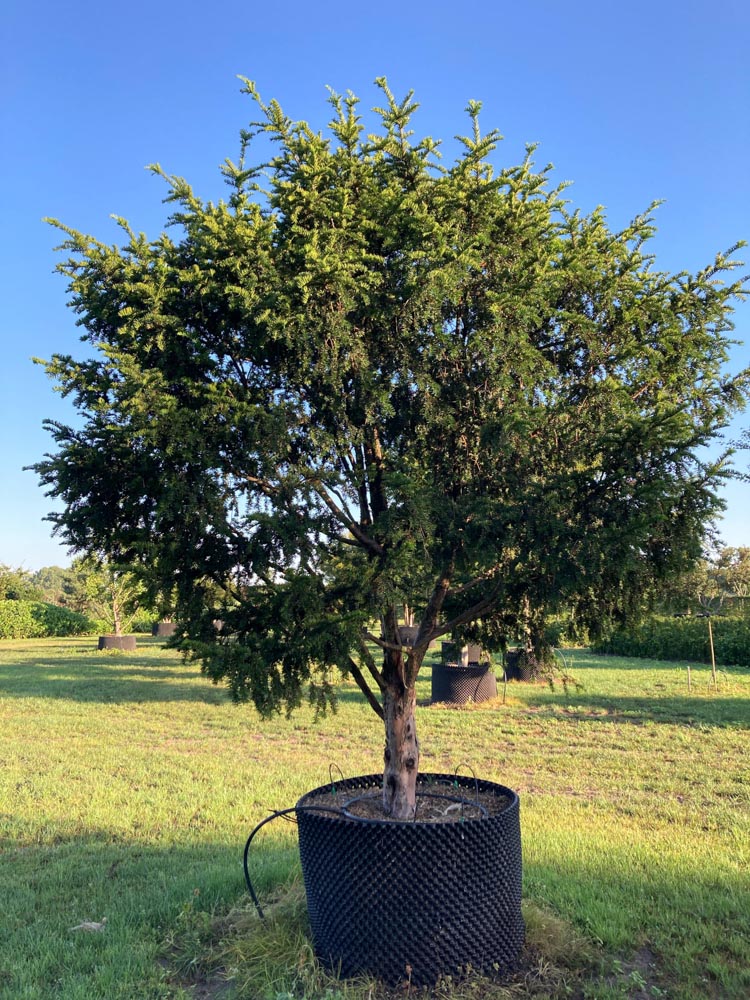
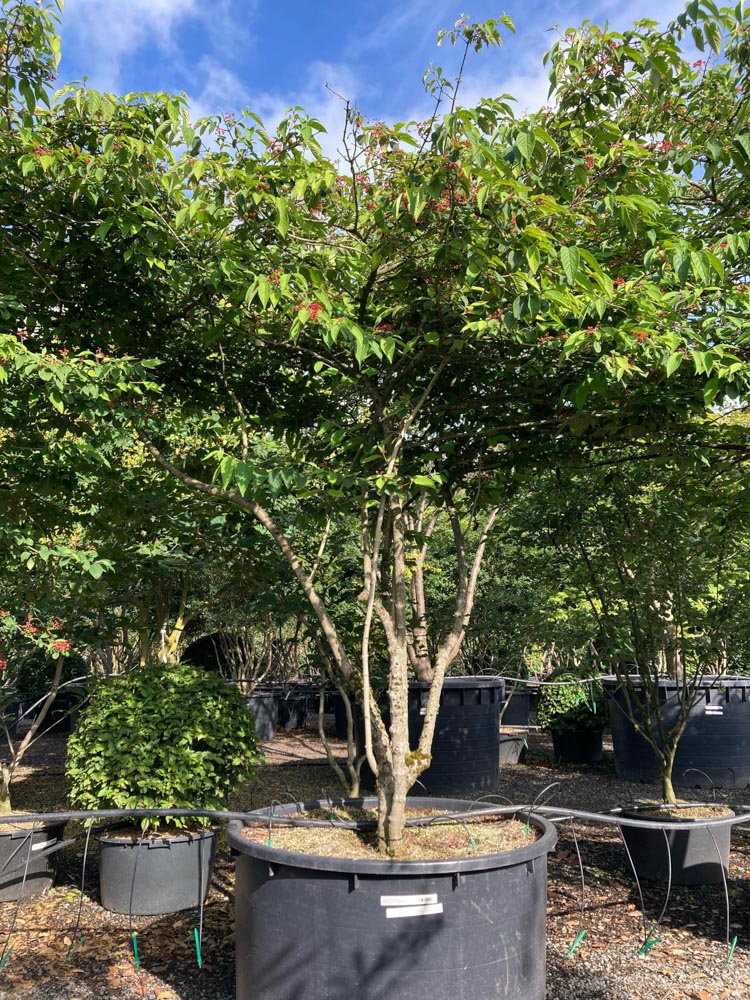
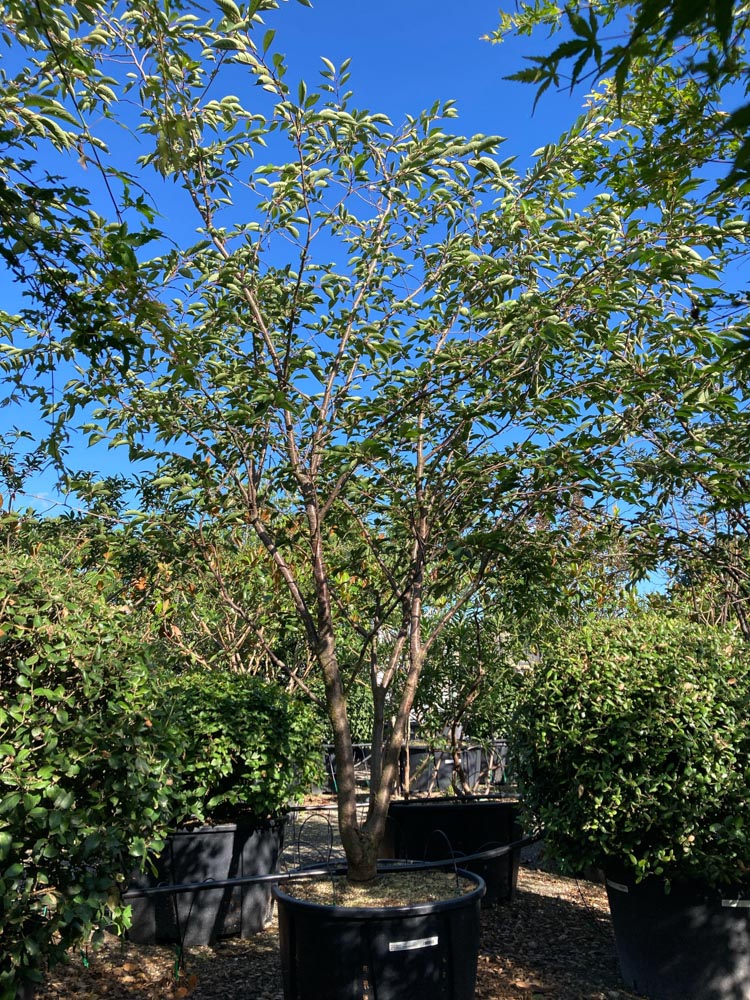
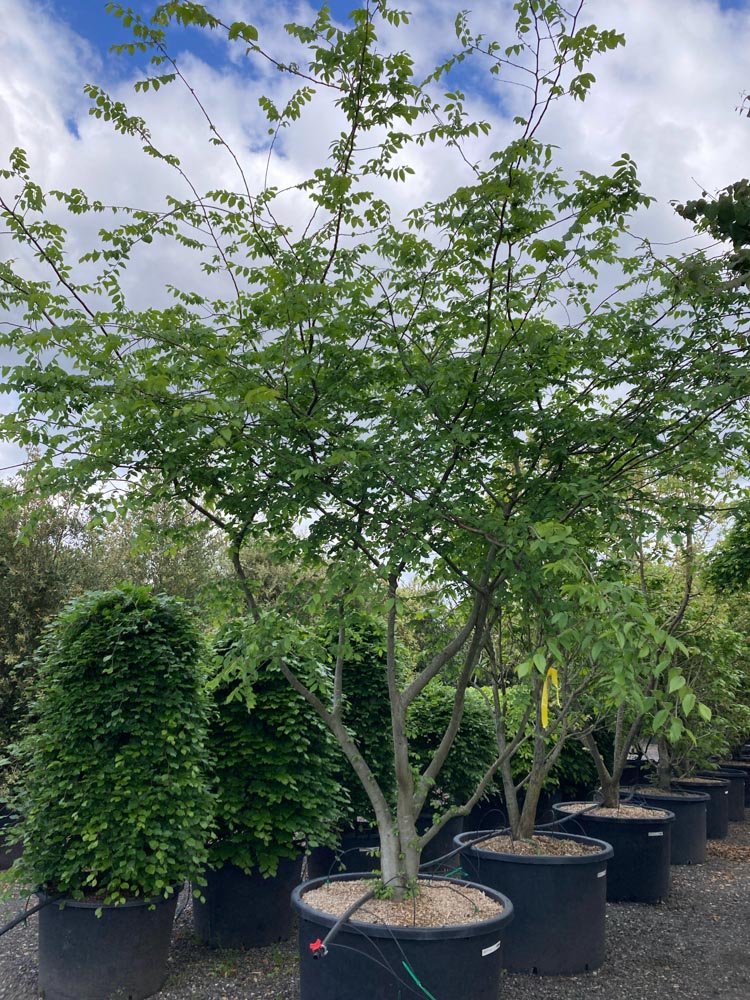
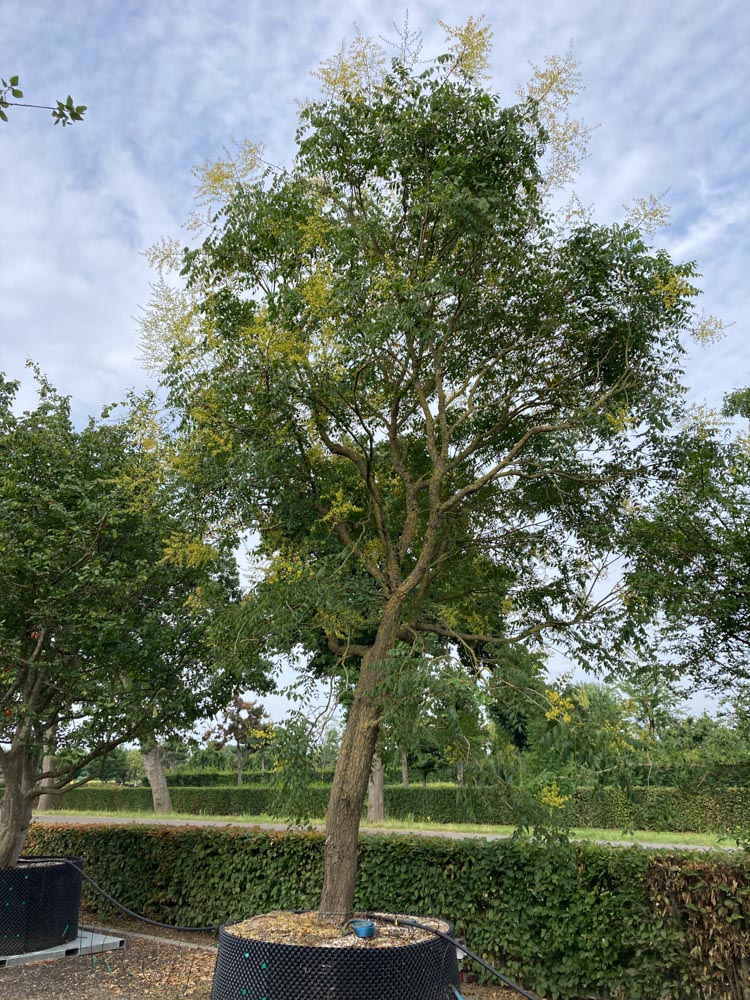
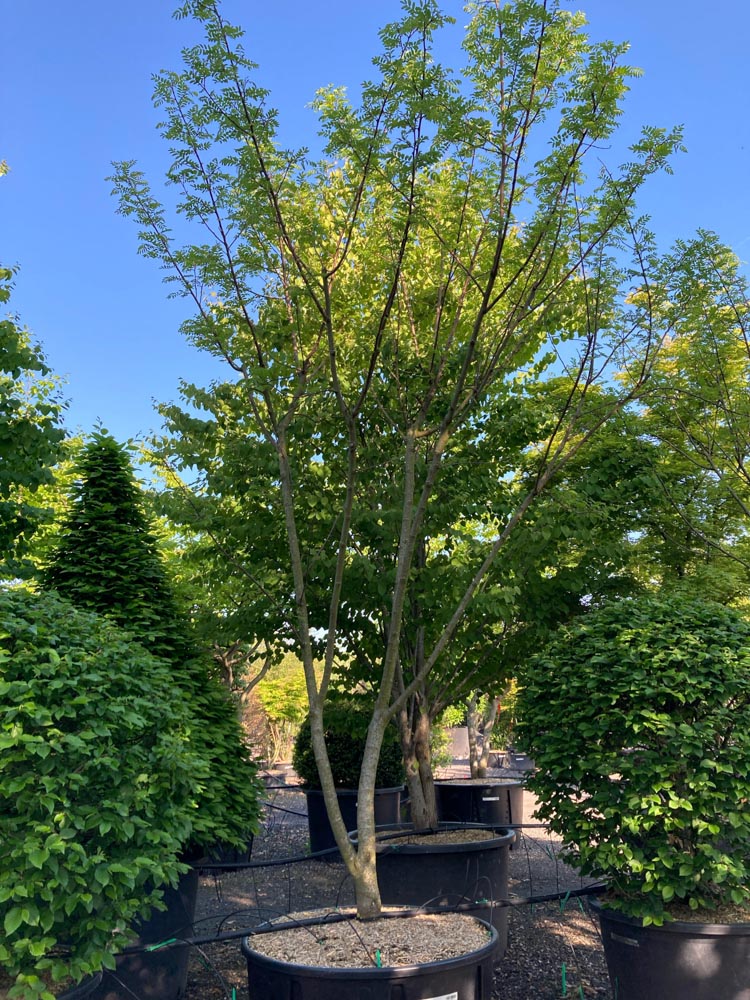
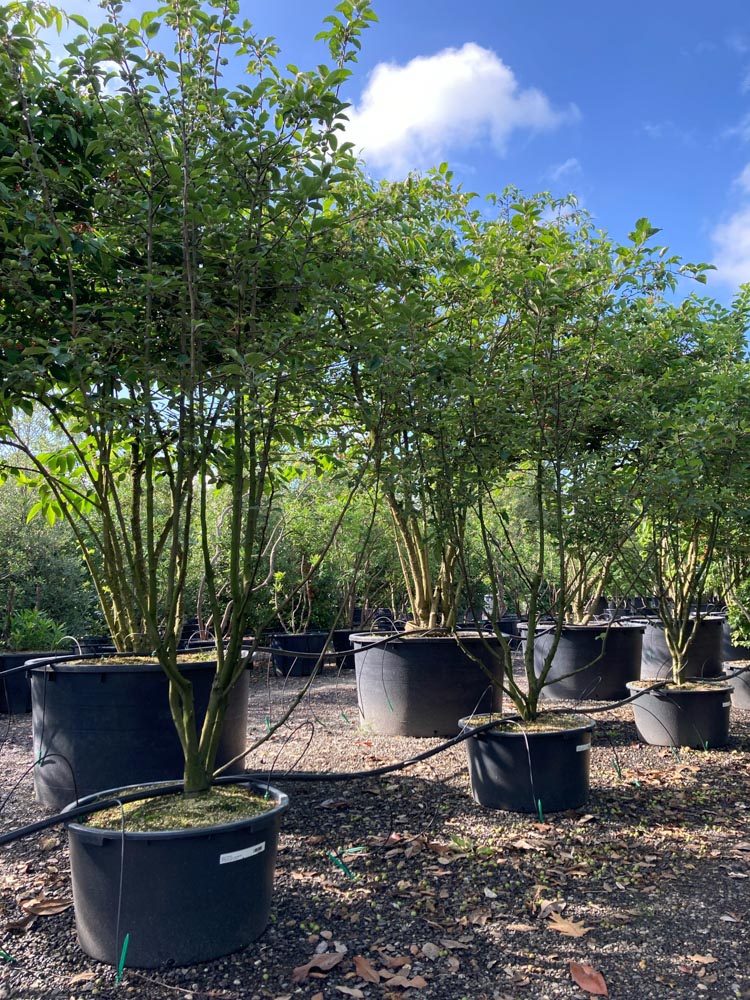
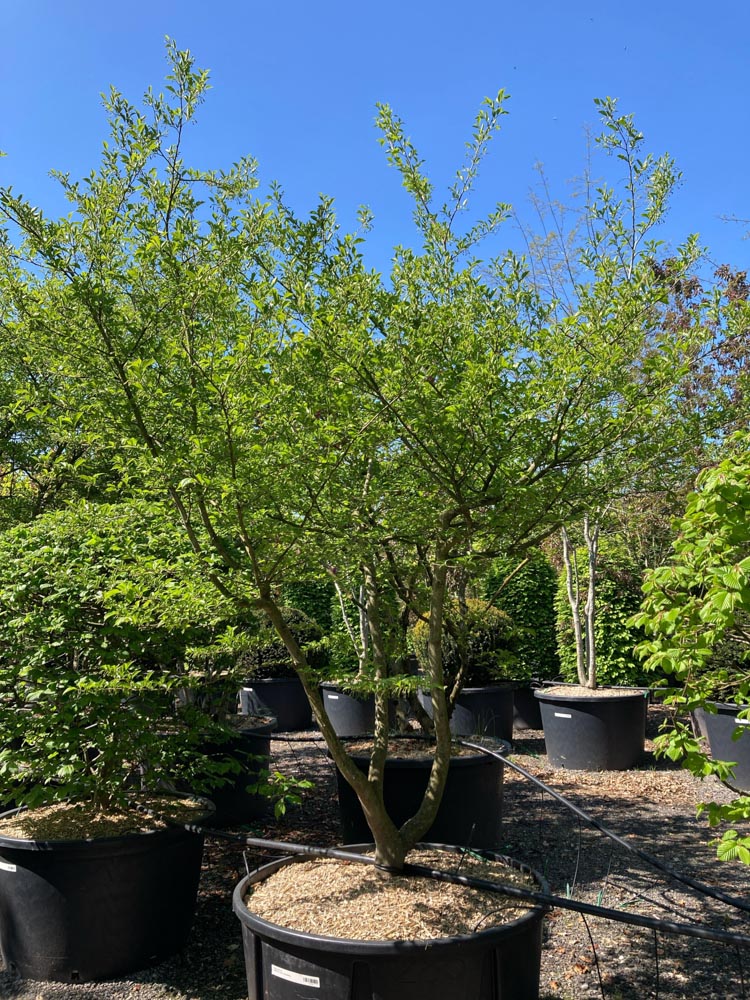
Golden weeping taxus ‘Dovastoniana’

Family: Yew family

Taxus b. 'Dovastoniana'

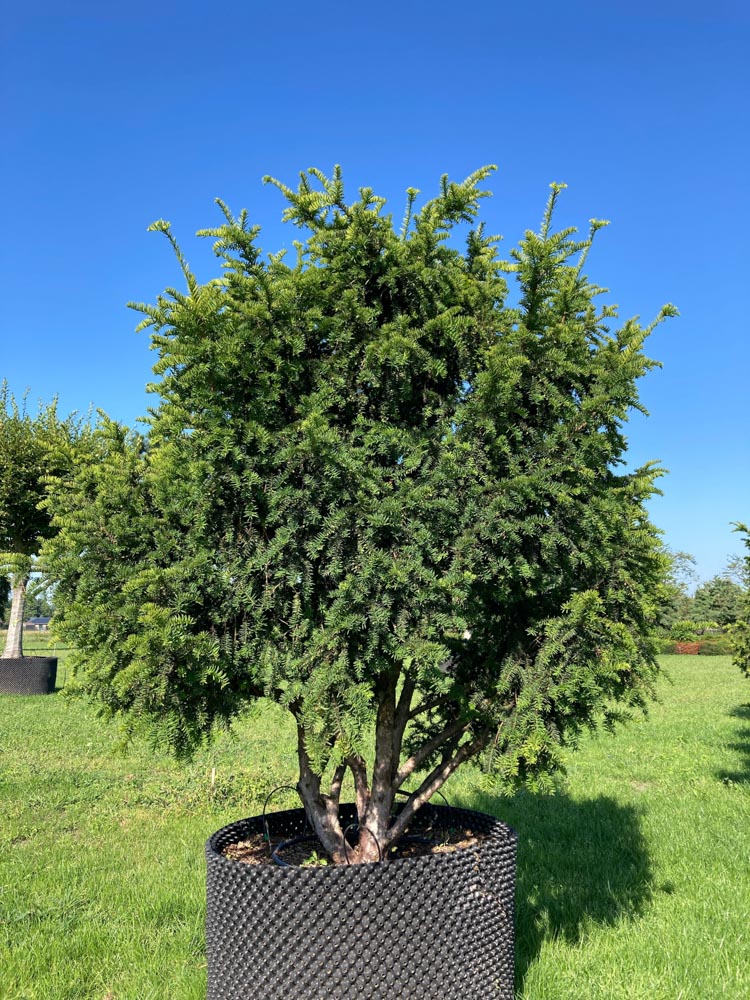
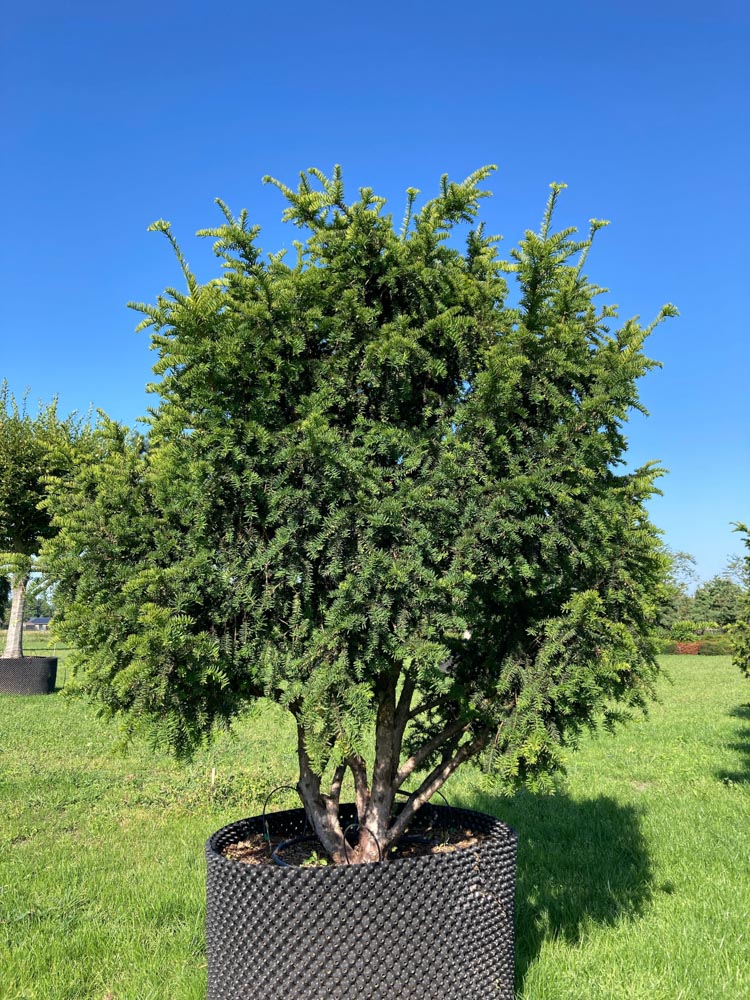
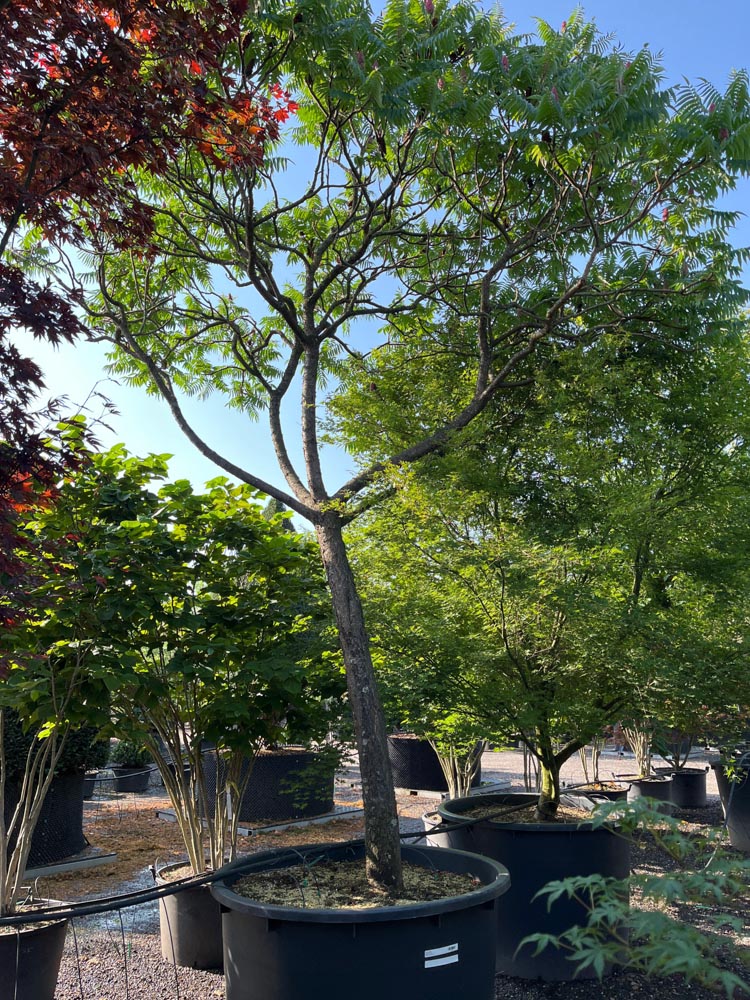
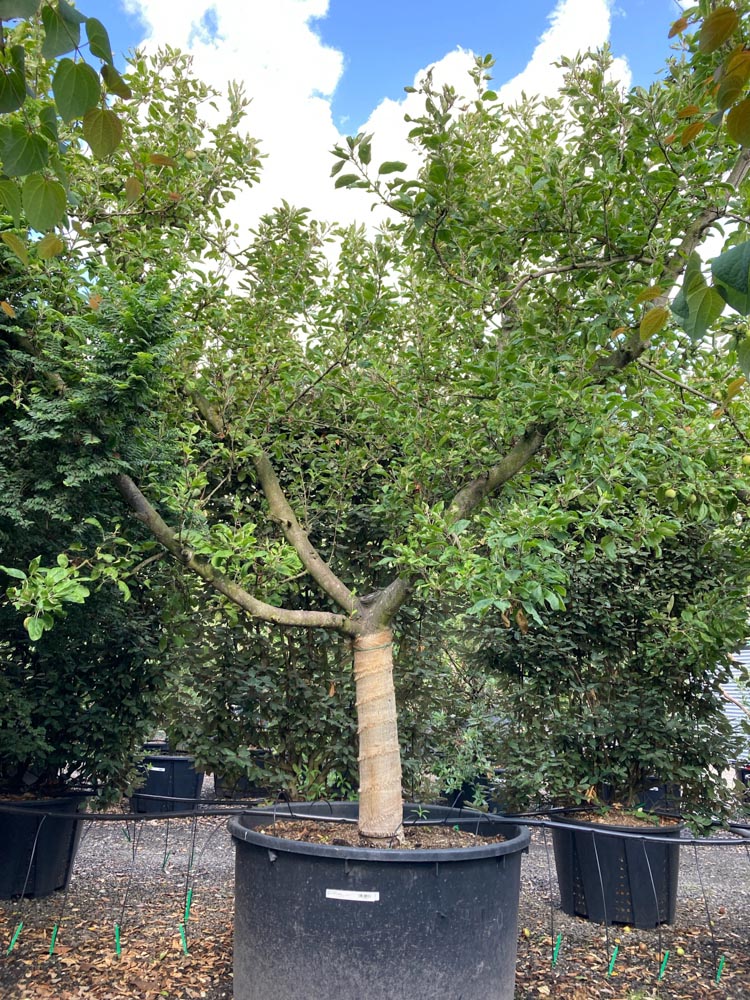
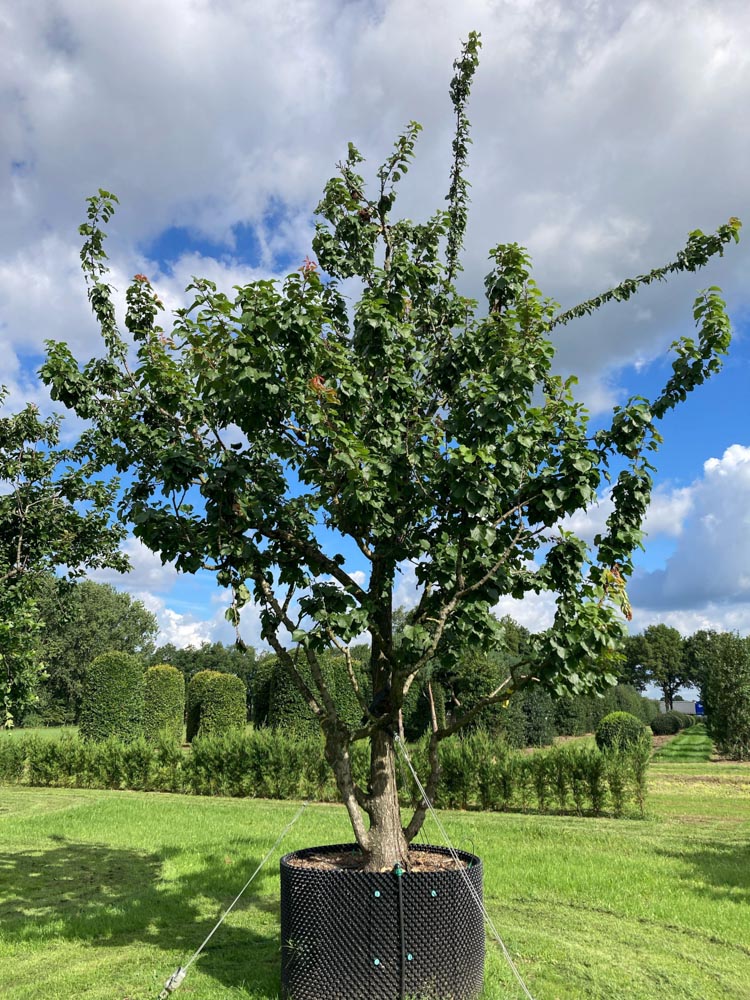
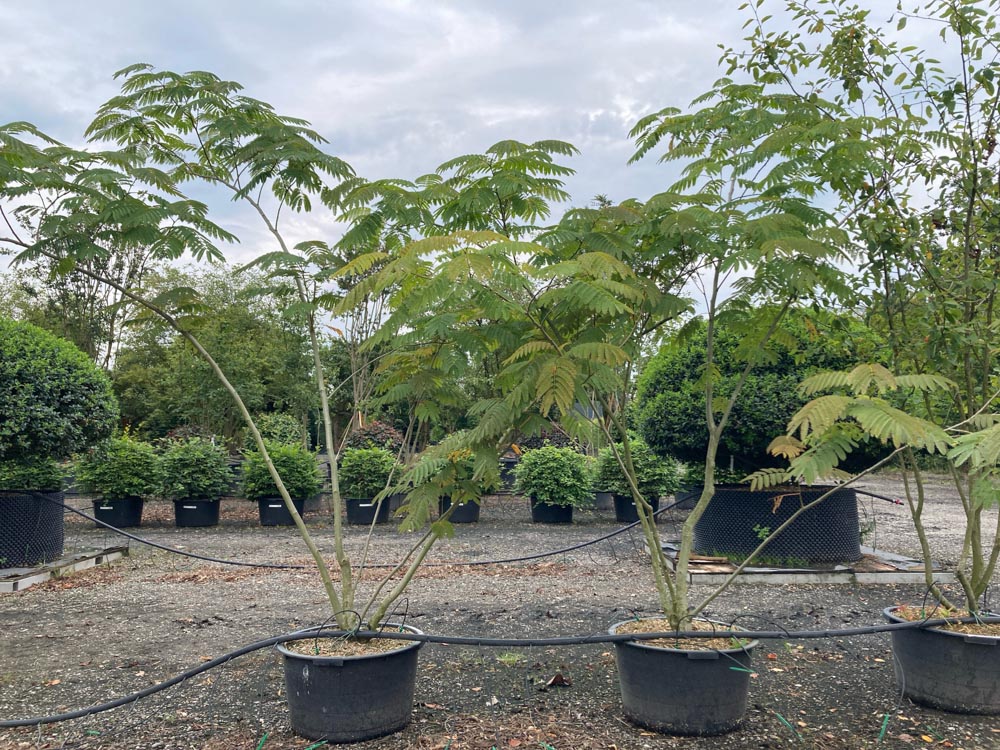
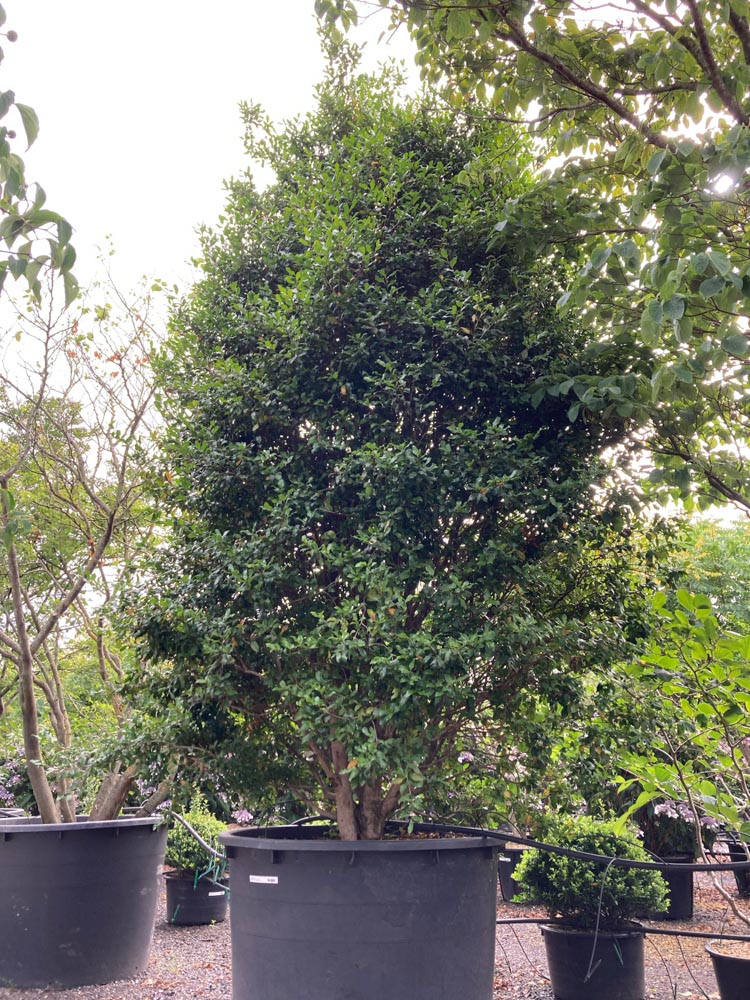
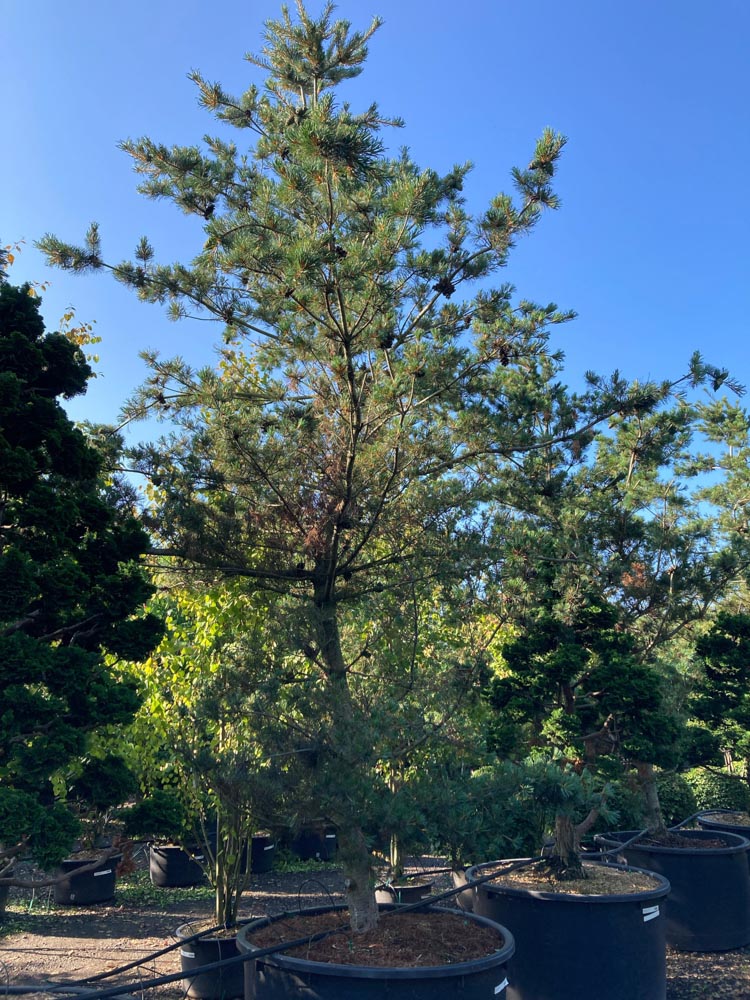
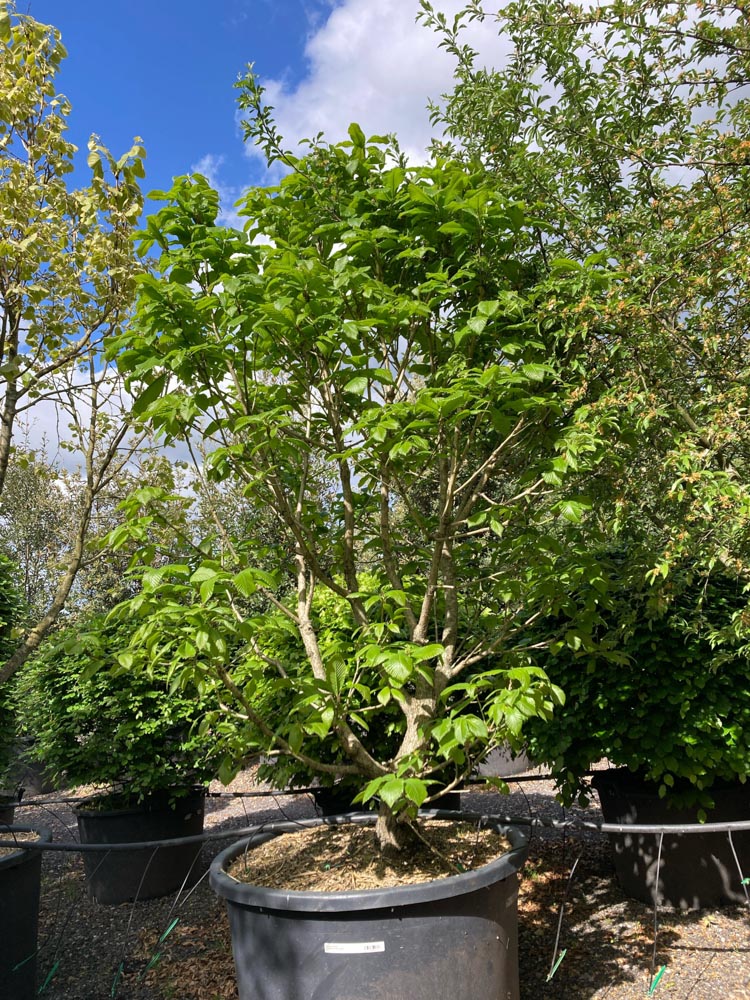
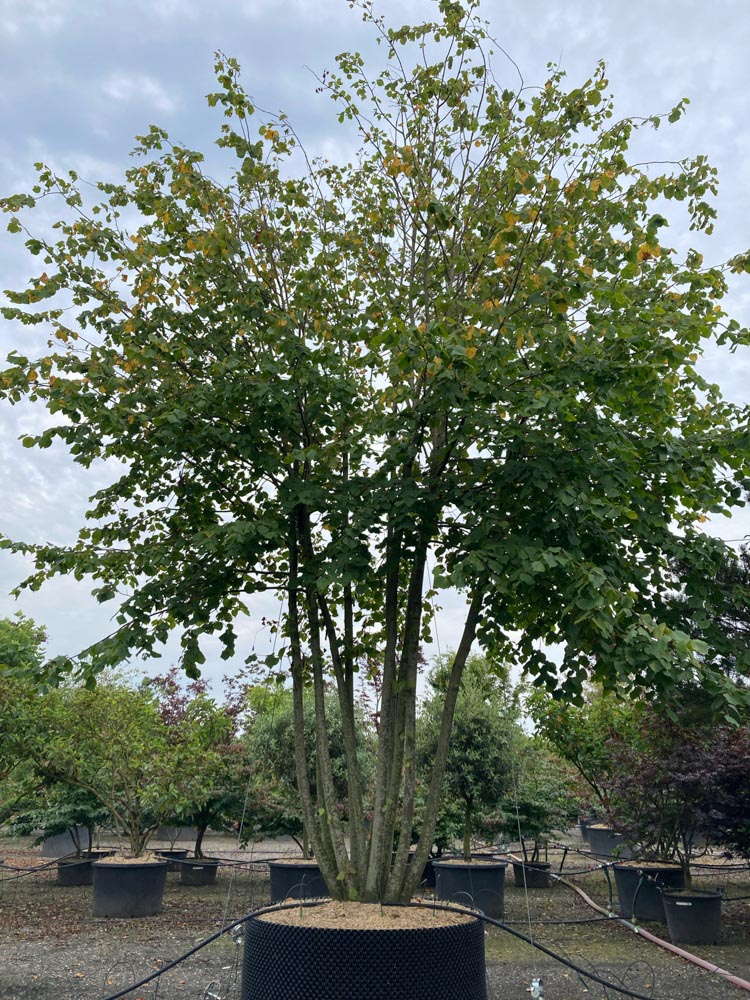
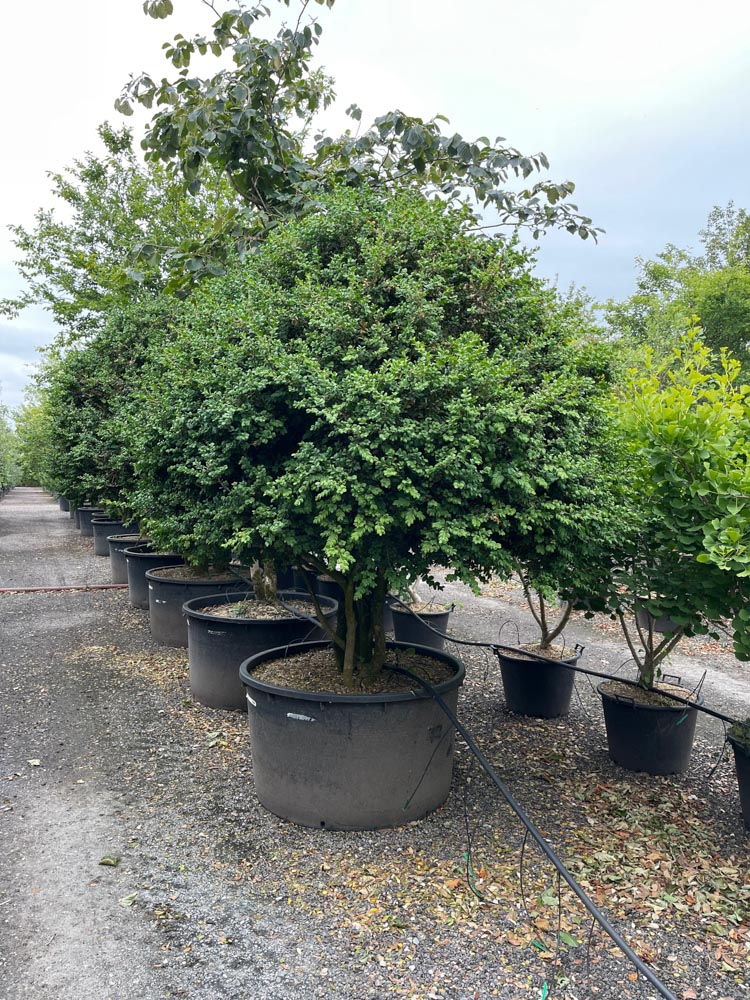
Taxus b. 'Dovastoniana' Golden weeping taxus ‘Dovastoniana’ height 175/200 cm in container

About Taxus b. 'Dovastoniana'

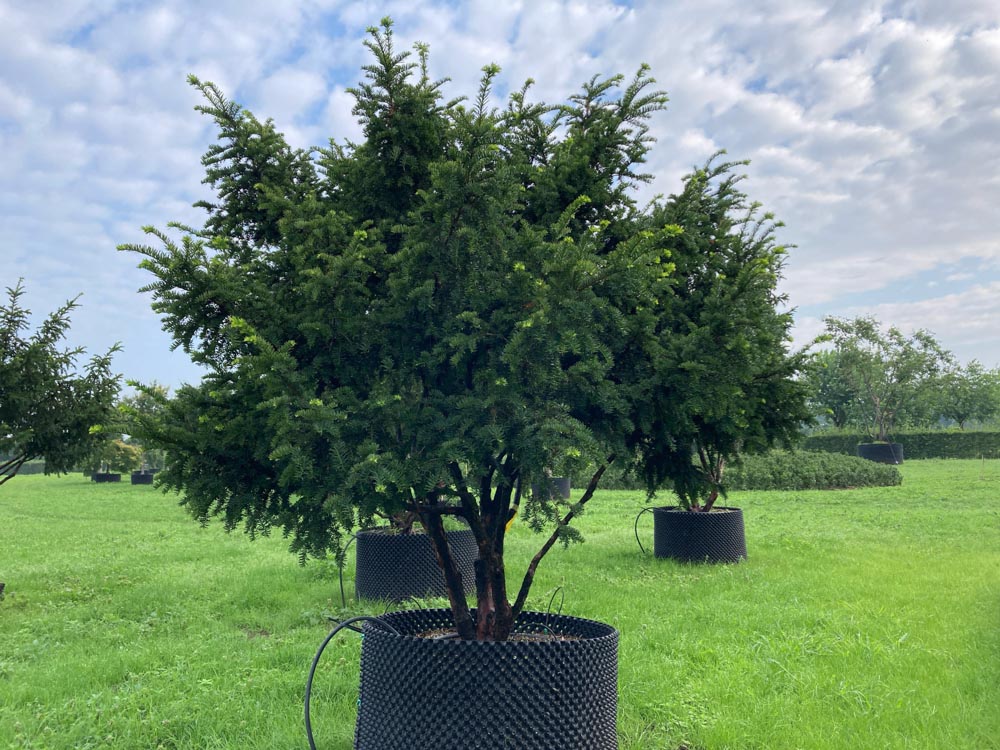
Taxus baccata ‘Dovastoniana’ is an unusual, wide-spreading cultivar of the common yew, originally found as a spontaneous mutation in the garden of Dovaston Hall in Shropshire, England in the early 19th century. In its golden variety - also called Taxus baccata ‘Dovastoniana Aurea’ - the leaves have a golden yellow margin or all-gold colour on the young shoots, making it one of the most decorative yew cultivars. Its growth form is broadly spreading with vigorously horizontal, drooping twig curls. That horizontal branch structure with drooping twig ends is the most characteristic feature of ‘Dovastoniana’ - unlike the upright yew or spherical form, it has a strong horizontal character. Available from Smits as a multi-stemmed plant in sizes from 175/200 to 300/350 centimetres in height. At maturity, the plant reaches 4 to 6 metres in height at a considerable width. The trunk has the characteristic brown-red, scaly yew bark. The leaves are needle-shaped, golden yellow on the young shoots at the top, dark green on the older needles and on the underside. Completely evergreen. That combination of golden yellow and dark green gives the plant a rich change of colour throughout the year. The red, succulent arilli (fruit capsules) are decorative and eagerly eaten by birds. Growth is slow. All parts of the yew, except the red aril tissue, are poisonous. Wind resistance and air pollution tolerance are good.

Application and location

Taxus ‘Dovastoniana’ is an exceptional solitary structure plant for villa gardens, formal parks and terraces. Its wide-spreading-horizontal habit with drooping twigs and golden-yellow needles gives it a distinctive, architectural character all year round. It thrives in full sun to shade. On loam, clay and sand. Wind resistant and air pollution tolerant. Please note that all parts except the red fruit tissue are poisonous. Winter hardiness is excellent. Available from Smits as a multi-stemmed plant from 175/200 to 300/350 centimetres in height.

Do you already know exactly what you need?

Every garden and every greenery project is different. Therefore, at Smits Arboriculture we do not make standard quotations, but we like to look together at what suits your wishes, planning and the character of the project.

our opinion

The characteristics below show the ideal conditions for a Taxus b. ‘Dovastoniana’. They will help you choose the right species for your project, but may vary slightly from one garden or project to another.

the runners

This is a list of the most frequently selected products. Looking for a specific product? Visit contact with us and we will be happy to help you personally. 

Dimensions

Value

Delivery form

Feature

Photo

Height
175/200 cm
Container
Multi-strain
58580-1.jpg

Is the image missing?
Mail to info@smitsbv.nl

Height
200/225 cm
Container
Multi-strain
58490-1.jpg

Is the image missing?
Mail to info@smitsbv.nl

Height
200/250 cm
Container
Multi-strain
58557-1.jpg

Is the image missing?
Mail to info@smitsbv.nl

Height
250/300 cm
Container
Multi-strain
58493-1.jpg

Is the image missing?
Mail to info@smitsbv.nl

Height
300/350 cm
Container
Multi-strain
58491-1.jpg

Is the image missing?
Mail to info@smitsbv.nl

Height
250/300 cm
Container
/
58494-1.jpg

Is the image missing?
Mail to info@smitsbv.nl

Is the Taxus b. ‘Dovastoniana’ you are looking for not listed?

No worries. Chances are we still have the species you are looking for! Visit contact with us and we will be happy to help you. 

Every garden and every greenery project is different. Therefore, at Smits Arboriculture we do not make standard quotations, but we like to look together at what suits your wishes, planning and the character of the project.

Get inspired by our park, container field and the way trees and hedges come together in the design. Ideal for getting ideas for your next project.
Discover how gardeners and designers apply our greenery in high-quality garden and green space projects. From villa gardens to larger landscape projects.

FAQ

Frequently asked questions about Taxus b. 'Dovastoniana'

The wide-spreading-horizontal growth form with drooping twig curls is unique in the yew range. In the golden variety, the leaves also have a golden yellow colour on the young shoots. That combination of horizontal architecture and golden yellow needles makes ‘Dovastoniana’ one of the most distinctive yew cultivars.
Golden yellow on the young shoots at the top and dark green on the older needles and on the underside. This combination of gold and dark green is present all year round as a fully evergreen plant.
Yes, fully evergreen. The golden yellow and dark green needles remain throughout the year. In winter, the golden-yellow needle colour is particularly visible and decorative.
At maturity, the plant reaches 4 to 6 metres in height at a considerable width due to its horizontal branch structure. At Smits, it is available as a multi-stemmed plant in sizes ranging from 175/200 to 300/350 centimetres in height.
Yes, all parts of the yew are toxic to humans and most animals, except for the red, succulent tissue around the kernel. Birds eat the red arilli without any drawbacks. When planting in places where children or animals are present, awareness of toxicity is recommended.
Yes, the yew tolerates shade well. In shade, the golden-yellow needle colour is less intense than in sun or semi-shade - full sun to semi-shade gives the best colour effect. In deep shade, the plant remains green.
Excellent winter hardiness. Yew is a native species fully adapted to Dutch winters.
Loam, clay and sand are suitable. Yew is soil-tolerant but prolonged wet feet are detrimental - the only real requirement is good drainage.

See also