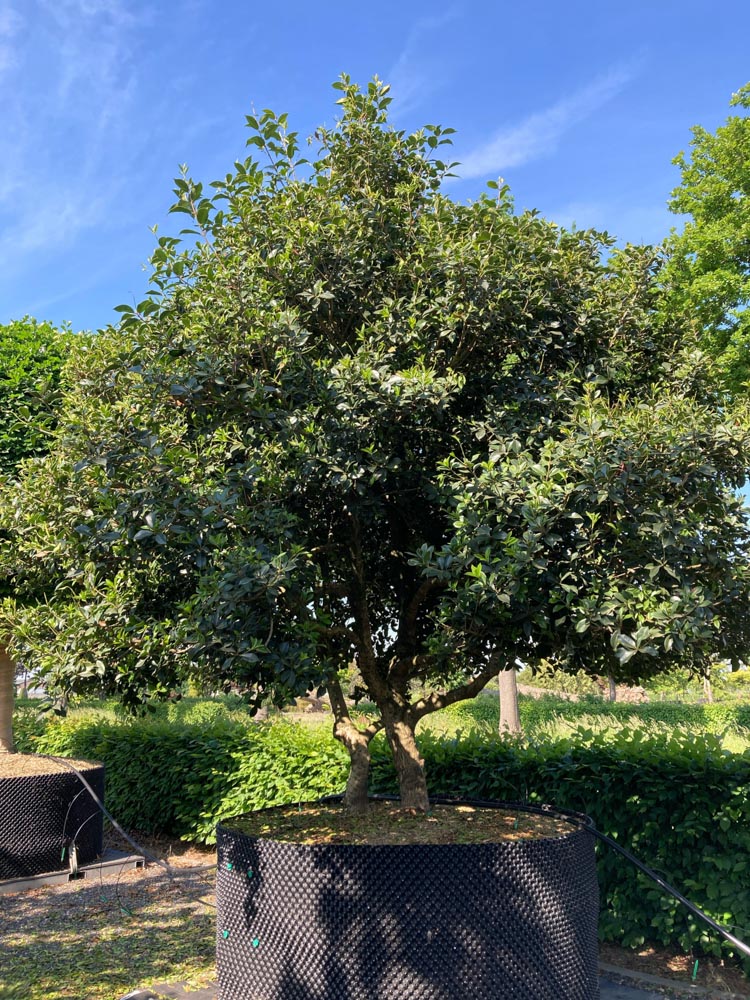
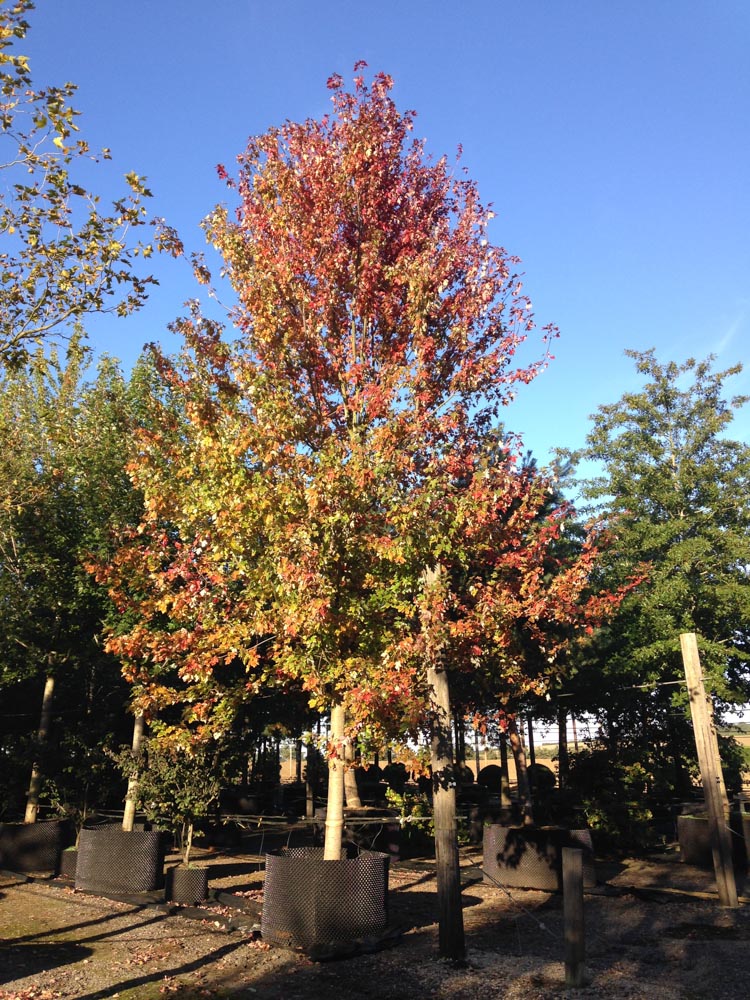
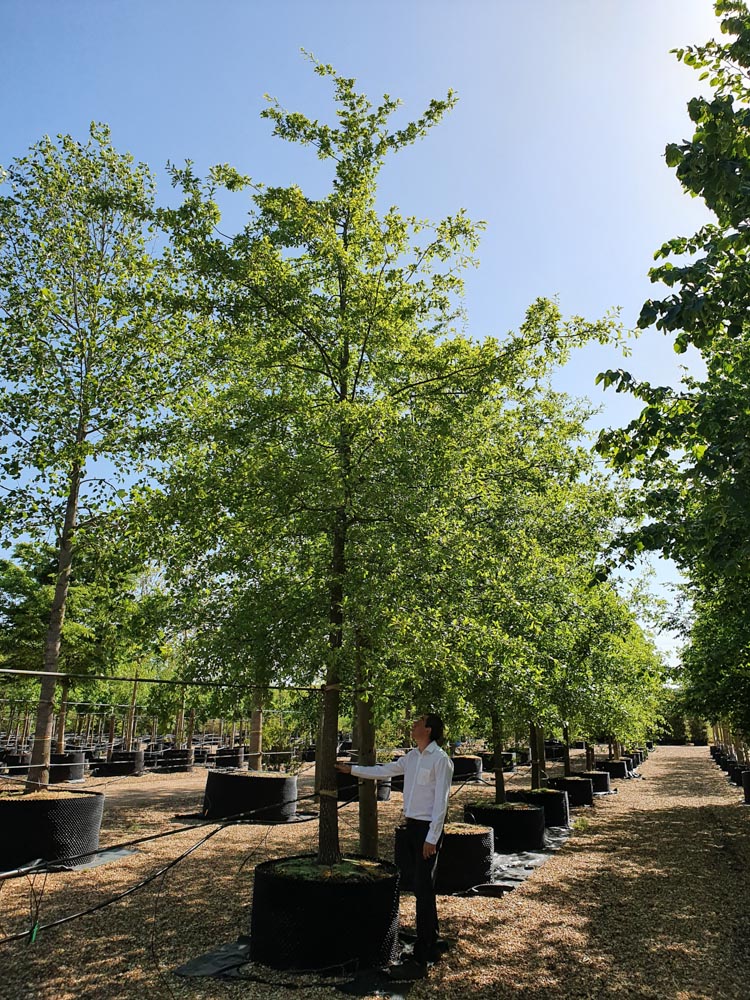
Golden venison tree

Family: Yew family

Taxus baccata aurea

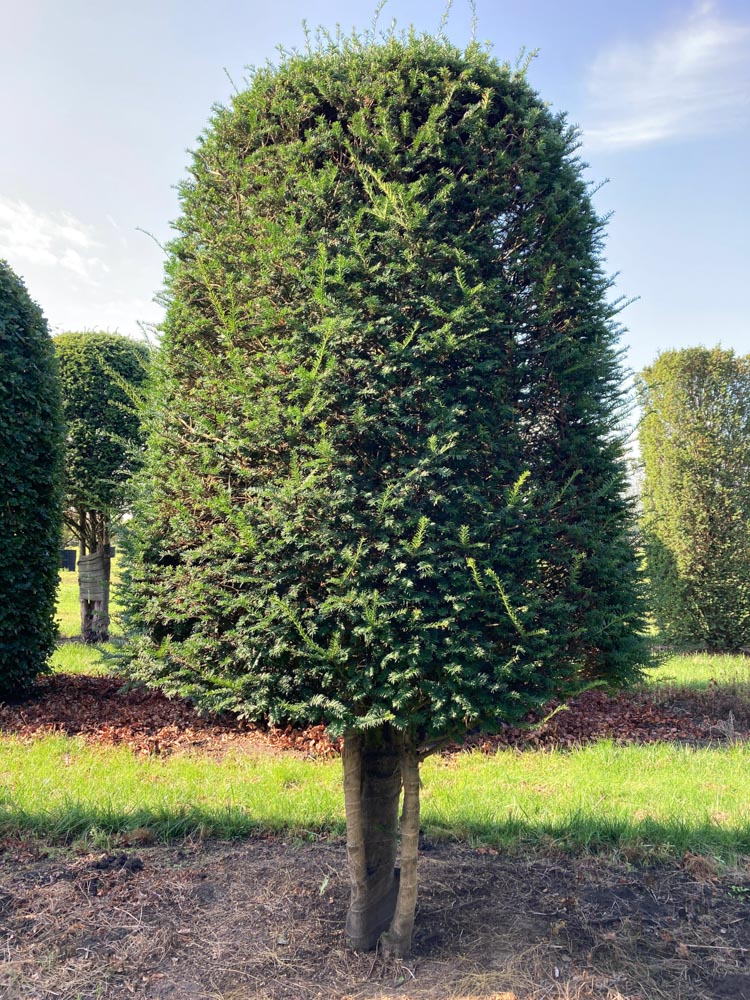
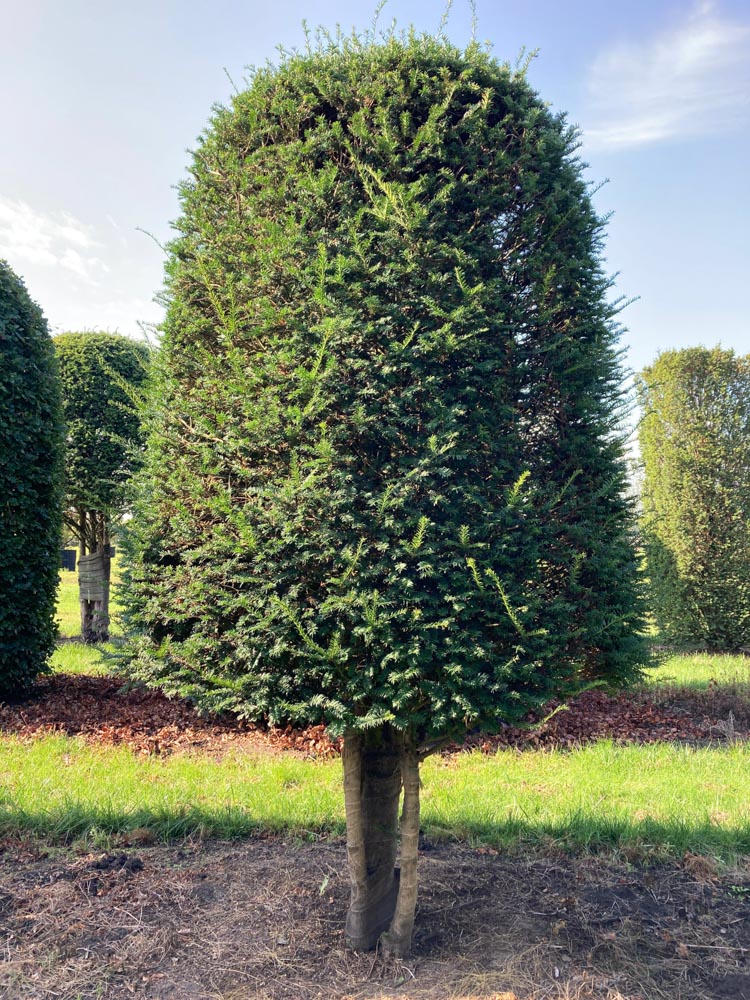
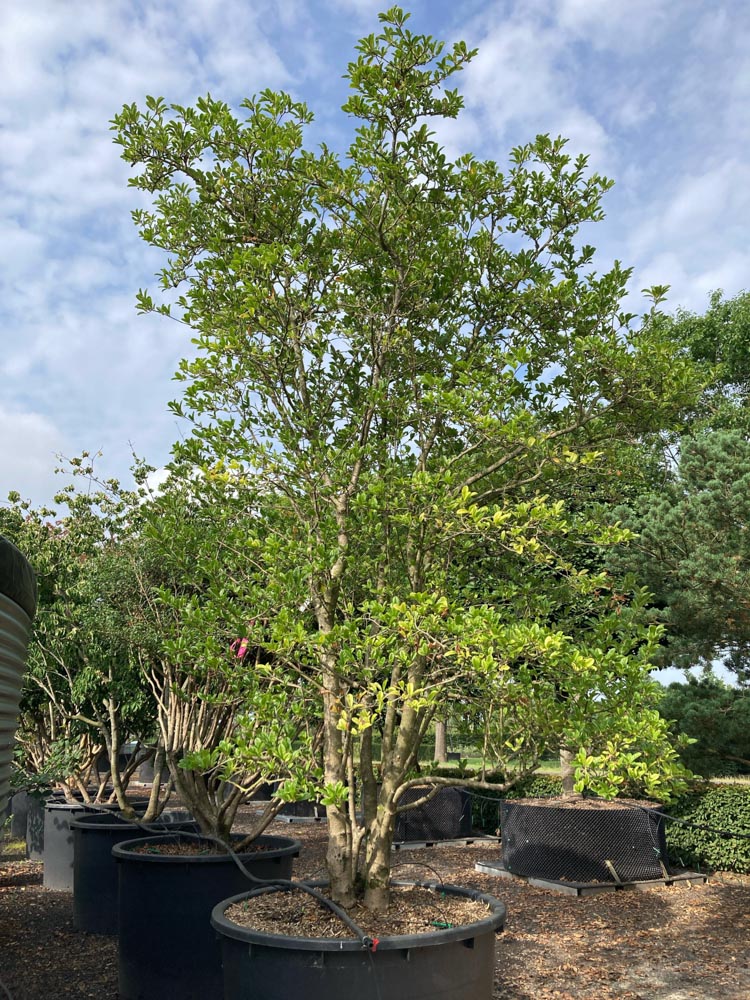
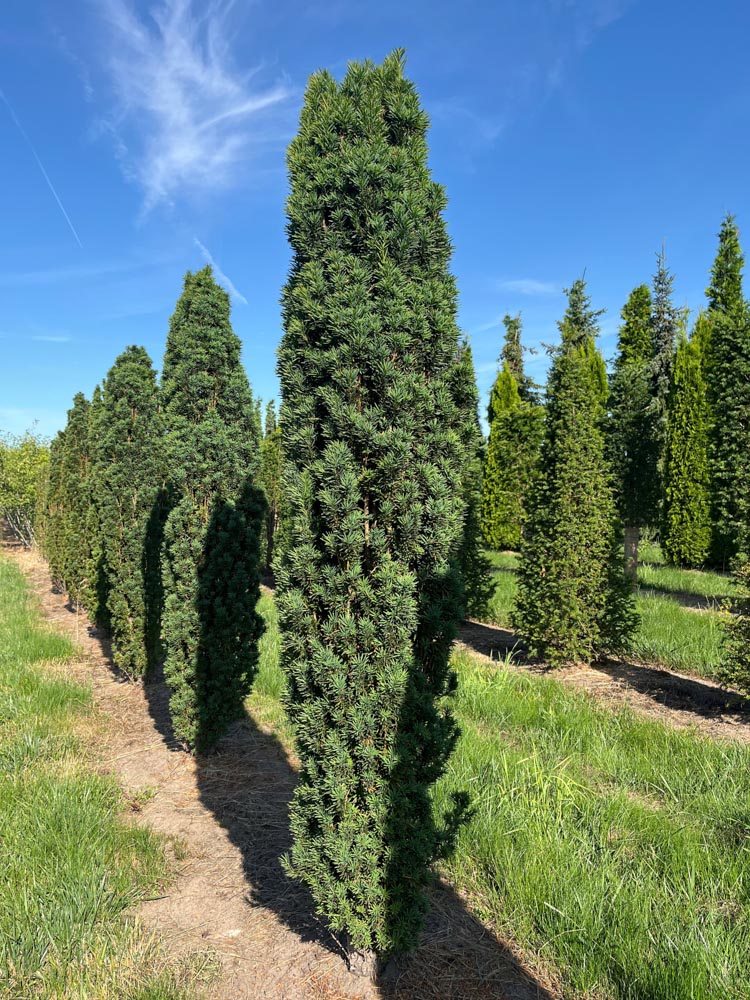
Taxus baccata aurea Golden fig tree height 325 cm in wire root ball

About Taxus baccata aurea

Taxus baccata aurea, the golden venison tree, is a golden yellow form of the common venison tree - one of the longest-lived native trees of north-western Europe, known for its extremely slow growth and its thousands of-year-old specimens in churchyards and cathedral gardens. The ‘aurea’ form has golden yellow needles on the young shoots that give the tree a warm, yellow presence throughout the year. Available from Smits in a special pruning form: as a 325-centimetre-high, multi-stemmed beehive. That beehive shape - a pruned cone or dome silhouette - is the result of years of expert pruning and instantly lends architectural character to any garden. The growth form of the free yew is broadly conical to broadly oval. The trunk has the characteristic brownish-red, flaky yew bark that is particularly decorative and characterful on older specimens. The leaves are needle-shaped, golden yellow on the young shoots at the top and on the outside of the crown, dark green on the older needles and on the underside. Completely evergreen. In full sun, the golden yellow colour is most intense; in shade, the colour becomes more yellow-green. The red arilli are decorative in autumn and winter. Growth is extremely slow - the yew is one of the slowest-growing trees planted in Dutch gardens. This slow growth is precisely its advantage as a pruning topiary: its shape remains stable for years. All parts except the red fruiting tissue are poisonous.

Application and location

Taxus baccata aurea as a beehive is an impressive architectural accent for formal villa gardens, terraces and parks. The webbed beehive shape of 325 centimetres is a statement that instantly gives a special, mature look. It thrives in full sun to shade. On loam, clay and sand. Wind resistant and air pollution tolerant. Caution: poisonous. Winter hardiness is excellent. Available from Smits as a 325-centimetre-high, multi-stemmed beehive.

Do you already know exactly what you need?

Every garden and every greenery project is different. Therefore, at Smits Arboriculture we do not make standard quotations, but we like to look together at what suits your wishes, planning and the character of the project.

our opinion

The characteristics below show the ideal conditions for a Taxus baccata aurea. They will help you choose the right species for your project, but may vary slightly from one garden or project to another.

the runners

This is a list of the most frequently selected products. Looking for a specific product? Visit contact with us and we will be happy to help you personally. 

Dimensions

Value

Delivery form

Feature

Photo

Height
325 cm
Wire clod
Multi-strain
83622-1.jpg

Is the image missing?
Mail to info@smitsbv.nl

Is the Taxus baccata aurea you are looking for not listed?

No worries. Chances are we still have the species you are looking for! Visit contact with us and we will be happy to help you. 

Every garden and every greenery project is different. Therefore, at Smits Arboriculture we do not make standard quotations, but we like to look together at what suits your wishes, planning and the character of the project.

Get inspired by our park, container field and the way trees and hedges come together in the design. Ideal for getting ideas for your next project.
Discover how gardeners and designers apply our greenery in high-quality garden and green space projects. From villa gardens to larger landscape projects.

FAQ

Frequently asked questions about Taxus baccata aurea

Golden yellow on the young shoots at the top and on the outside of the crown, dark green on the older needles and on the underside. This combination is present all year round as a fully evergreen plant. In full sun, the golden yellow colour is most intense.
Yes, fully evergreen. The golden yellow and dark green needles remain present throughout the year. That permanent evergreen presence combined with the golden yellow colour makes the golden venison decorative all year round.
At Smits, the golden venison is available as a 325-centimetre-high, multi-stemmed beehive. That beehive shape is the result of years of expert pruning and immediately gives an architectural, mature character.
Yes, all parts of the yew are toxic to humans and most animals, except for the red, succulent aril tissue around the seed. When used in places where children or animals are present, awareness of toxicity is recommended.
Extremely slow - the yew is one of the slowest-growing trees in the Dutch garden. That slow growth is actually an advantage as a pruning form: the beehive shape remains stable for years without intensive pruning.
Yes, the yew tolerates shade well. In shade, the golden-yellow needle colour becomes less intense. Full sun to partial shade gives the best golden yellow colour.
Excellent winter hardiness. As a native species, the yew is fully adapted to Dutch winters.
Loam, clay and sand are suitable. The yew is soil-tolerant. The only real requirement is good drainage; prolonged wet feet are detrimental.

See also