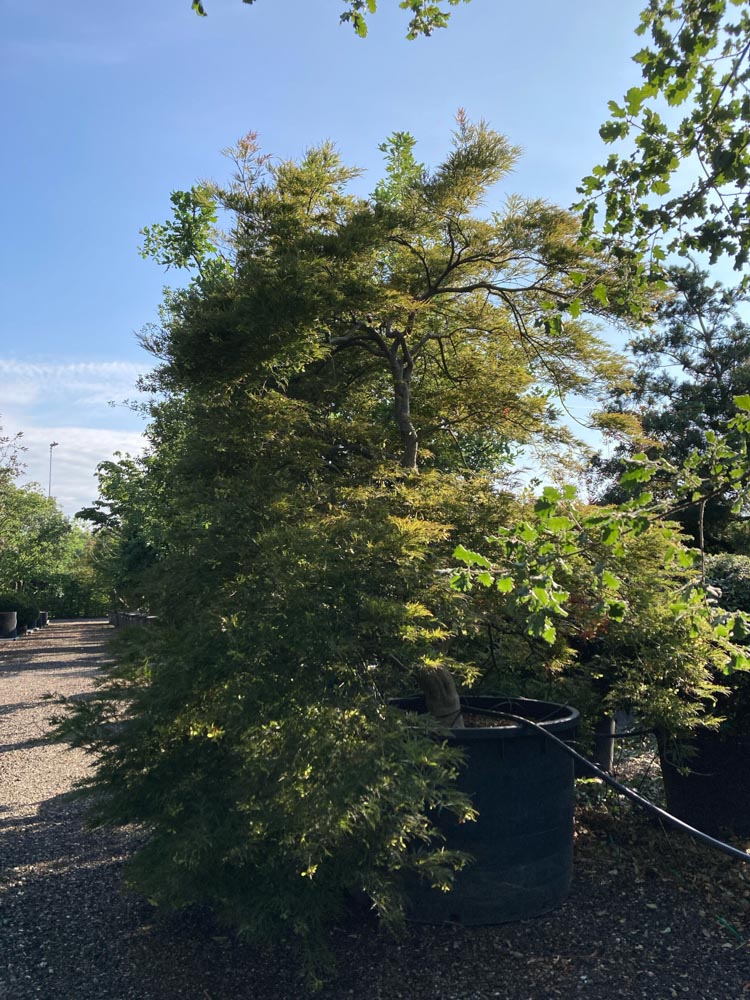
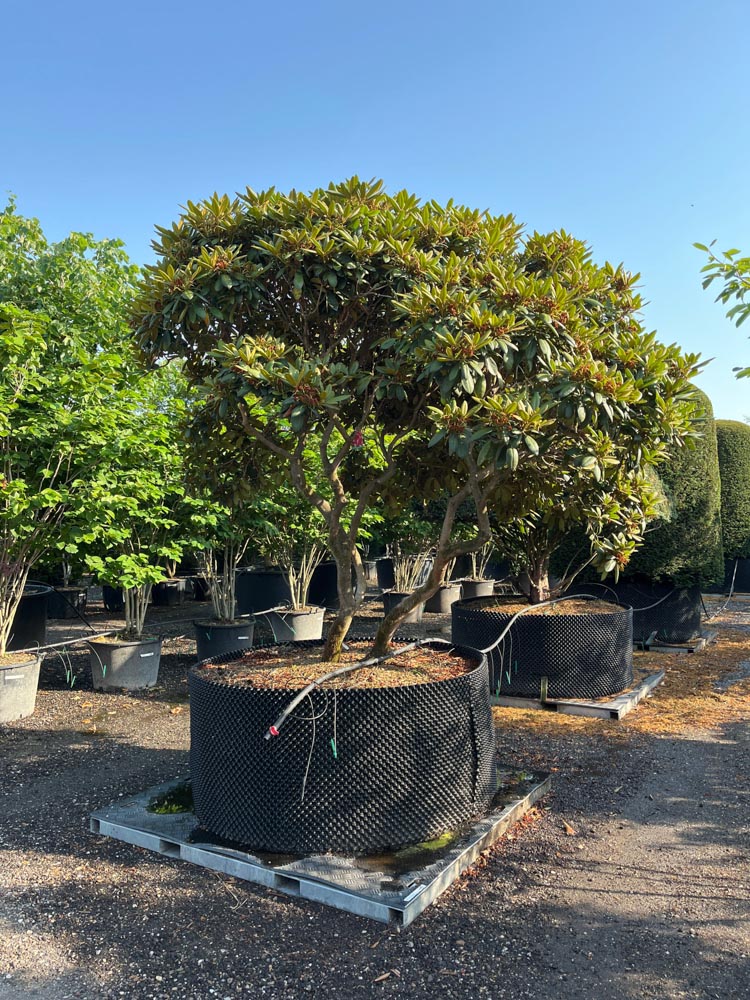
Japanese yew

Family: Yew family

Taxus cuspidata

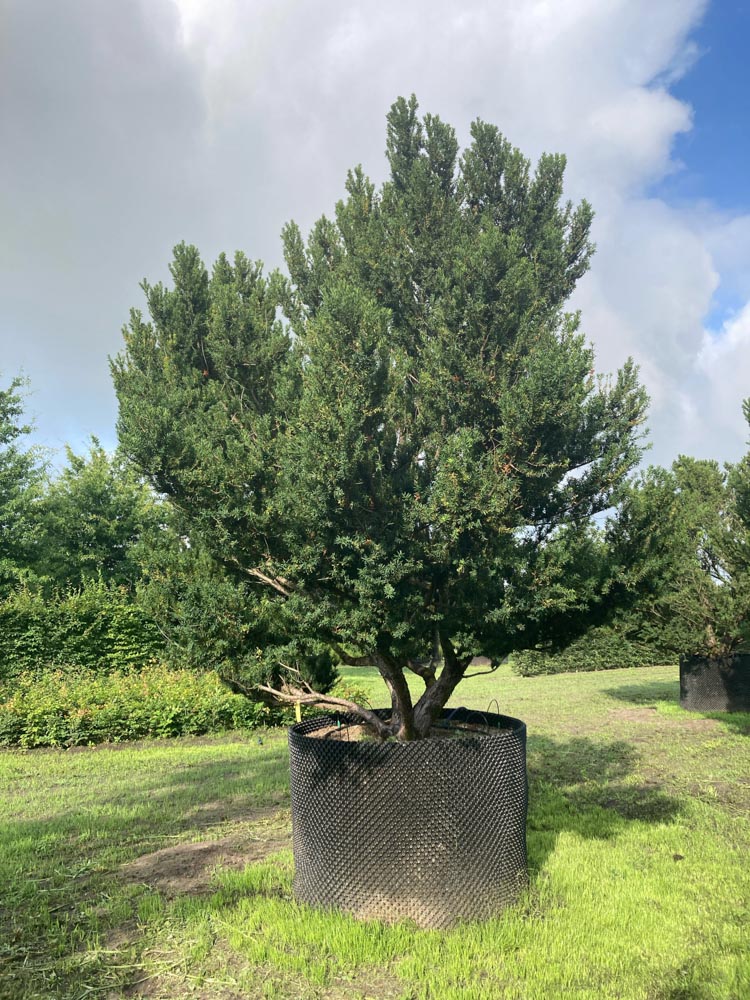
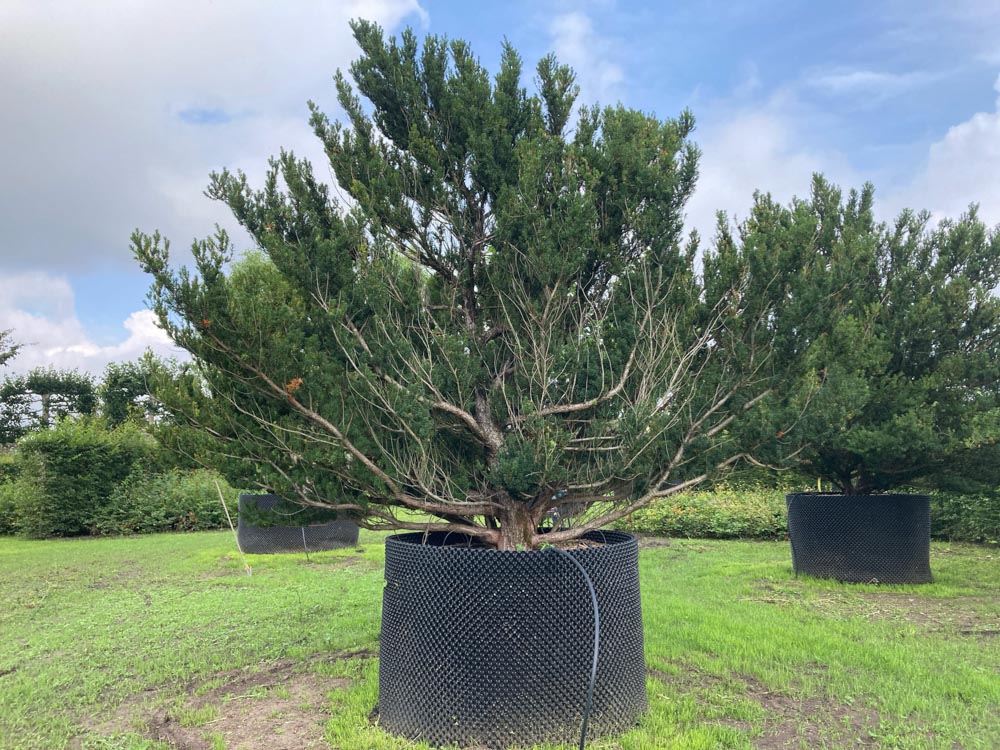
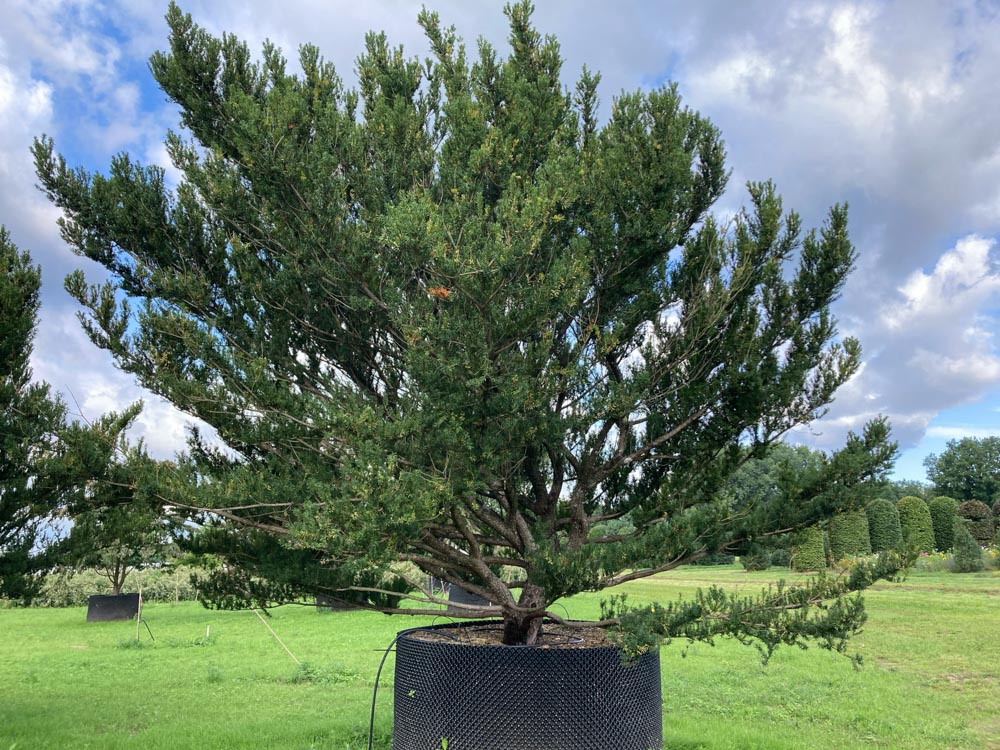
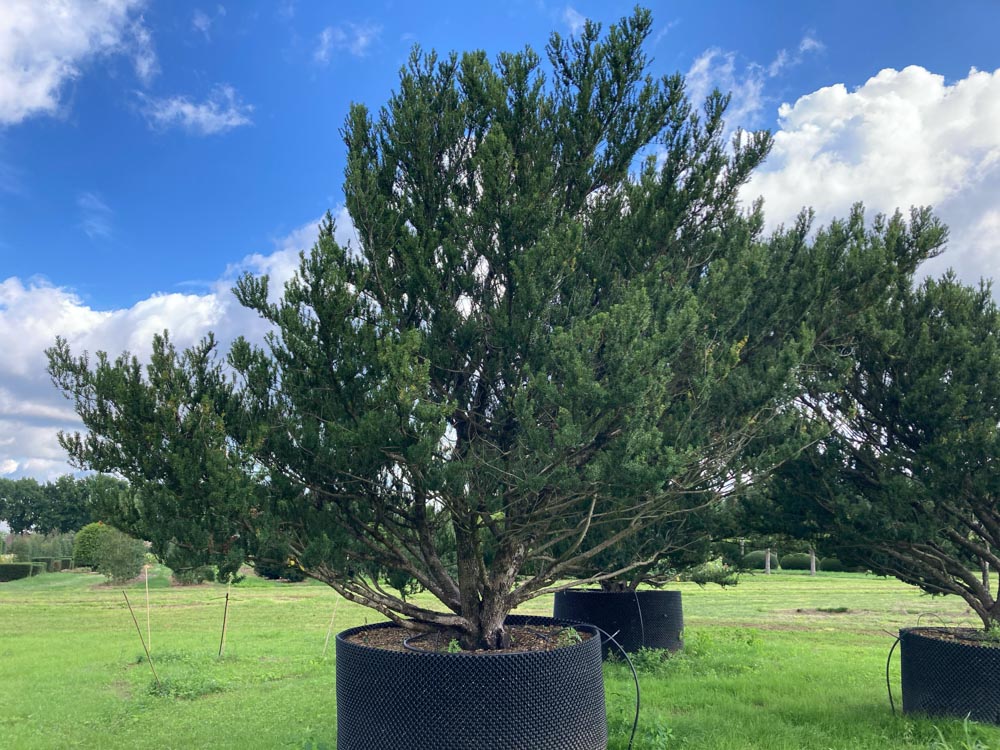
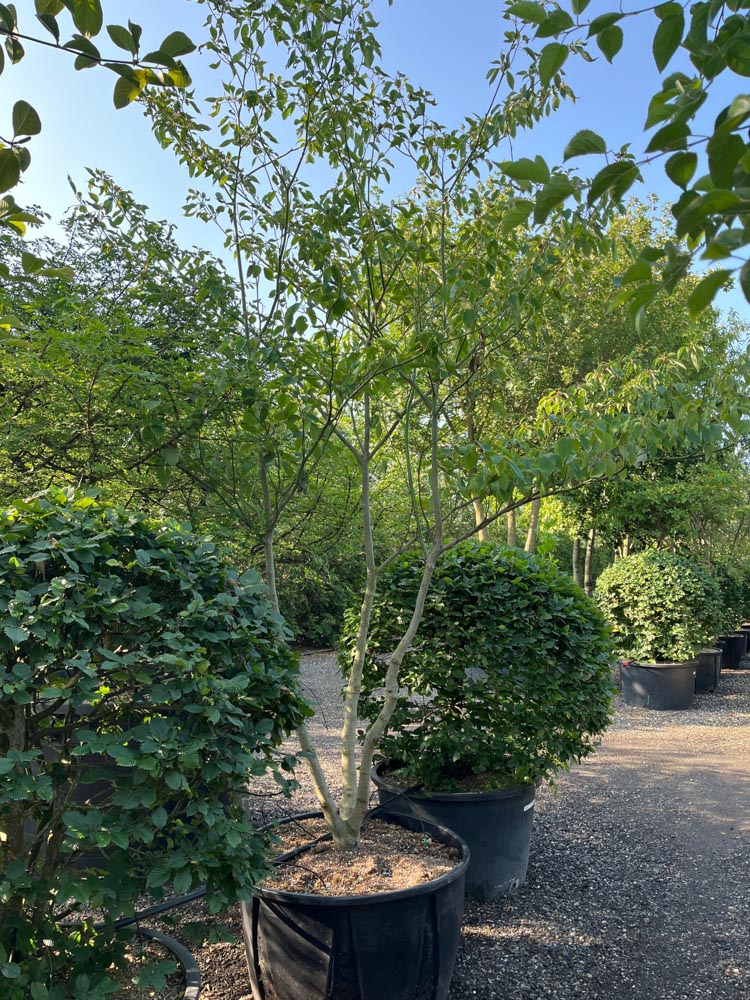
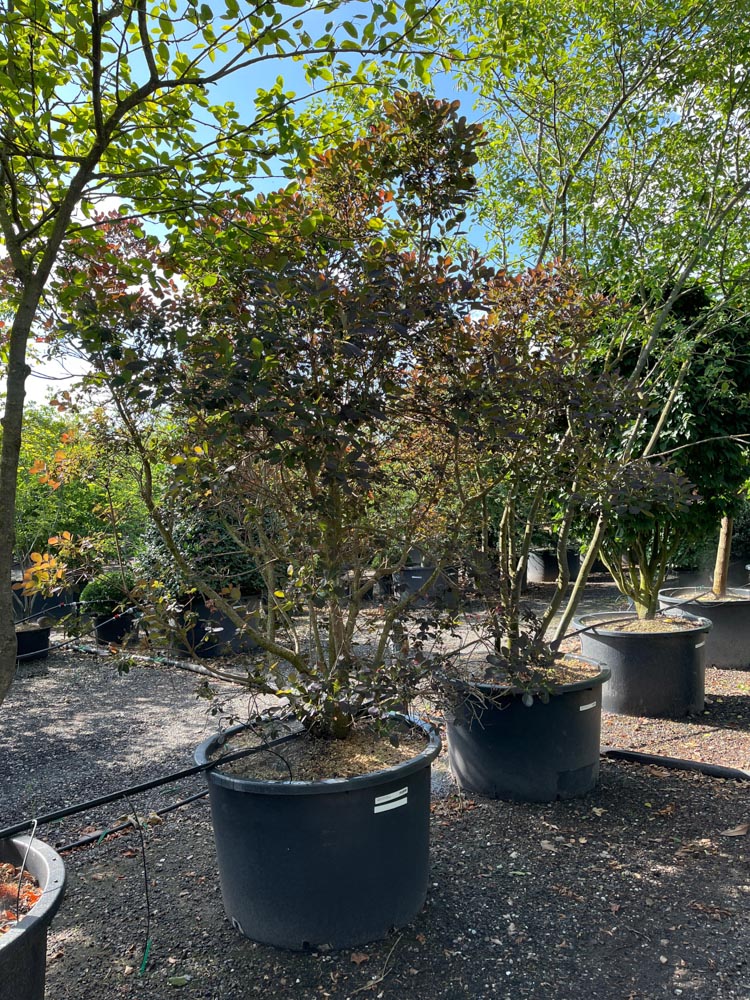
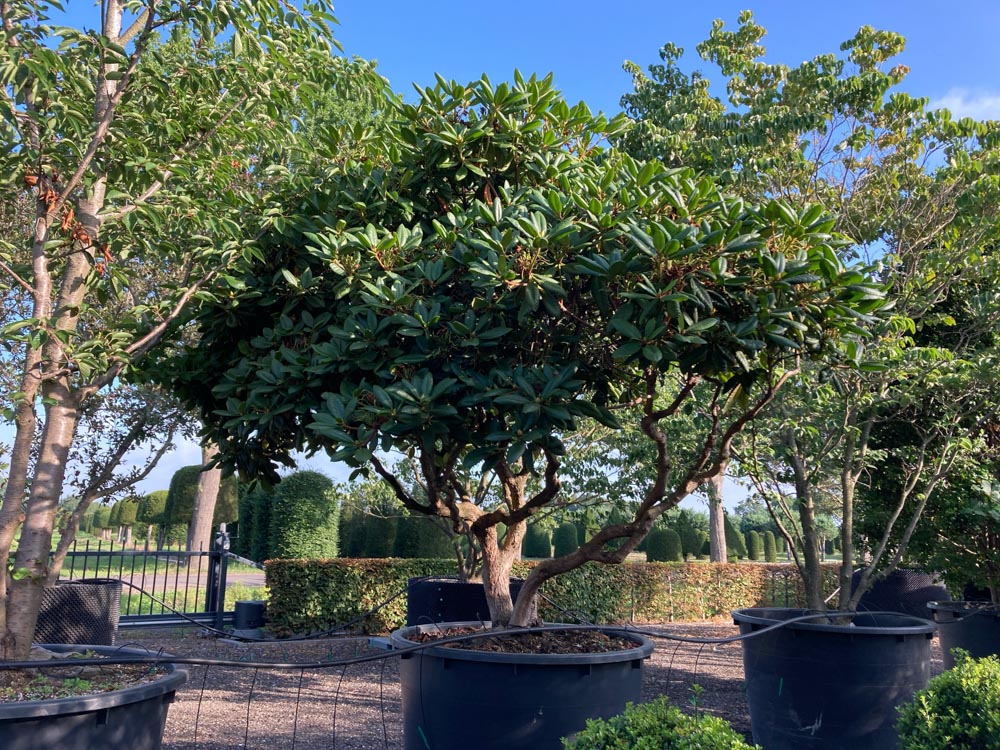
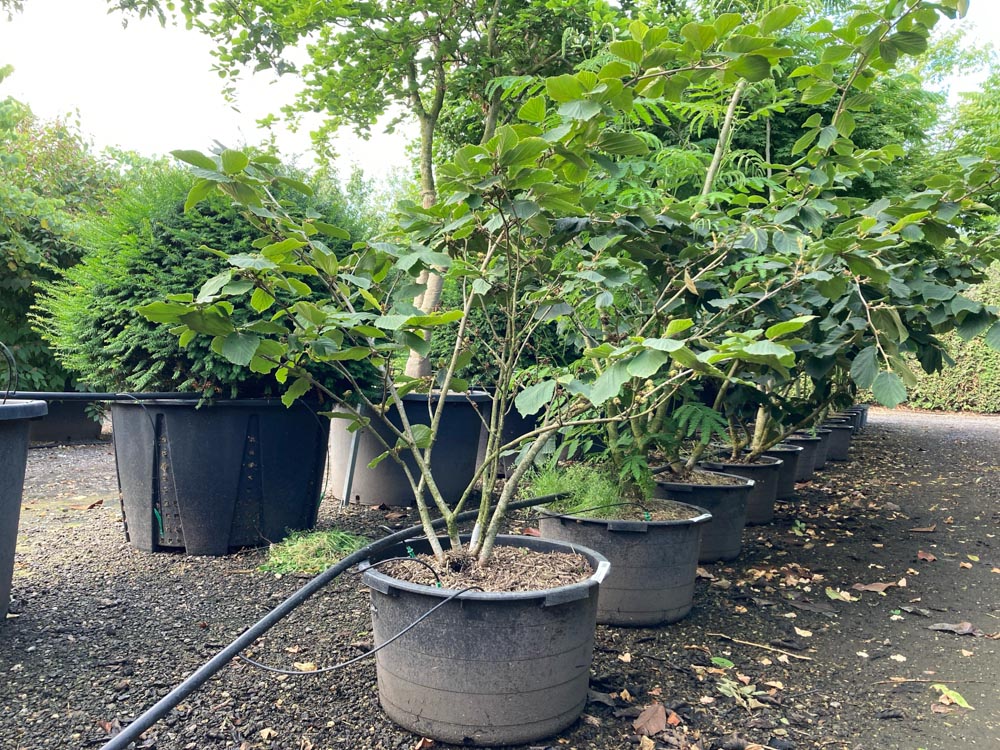
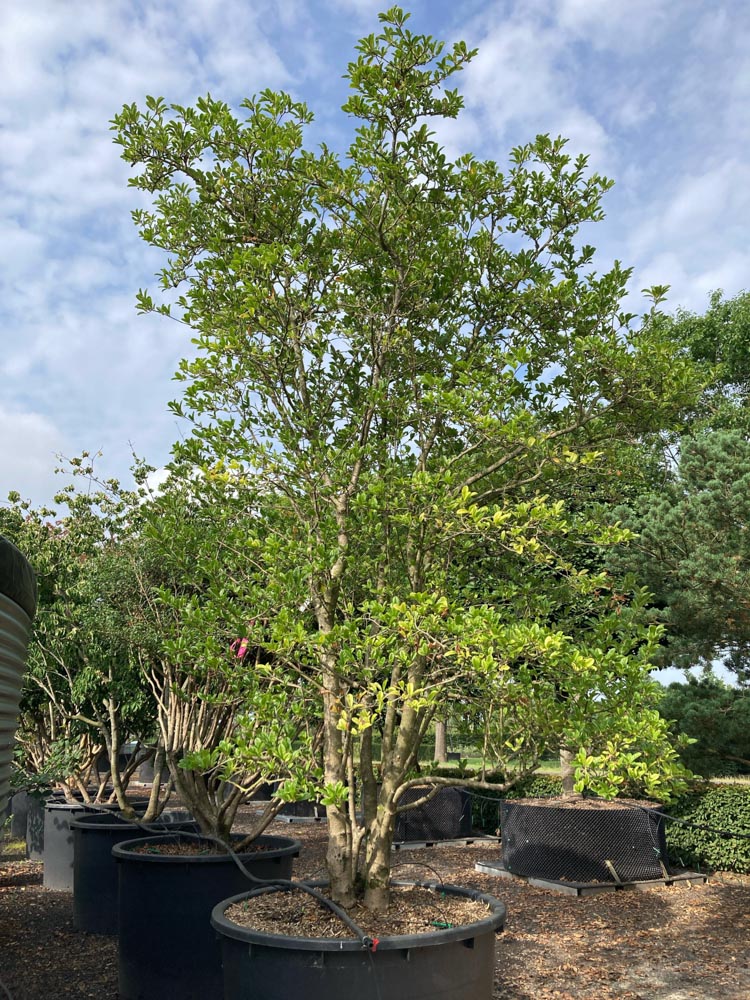
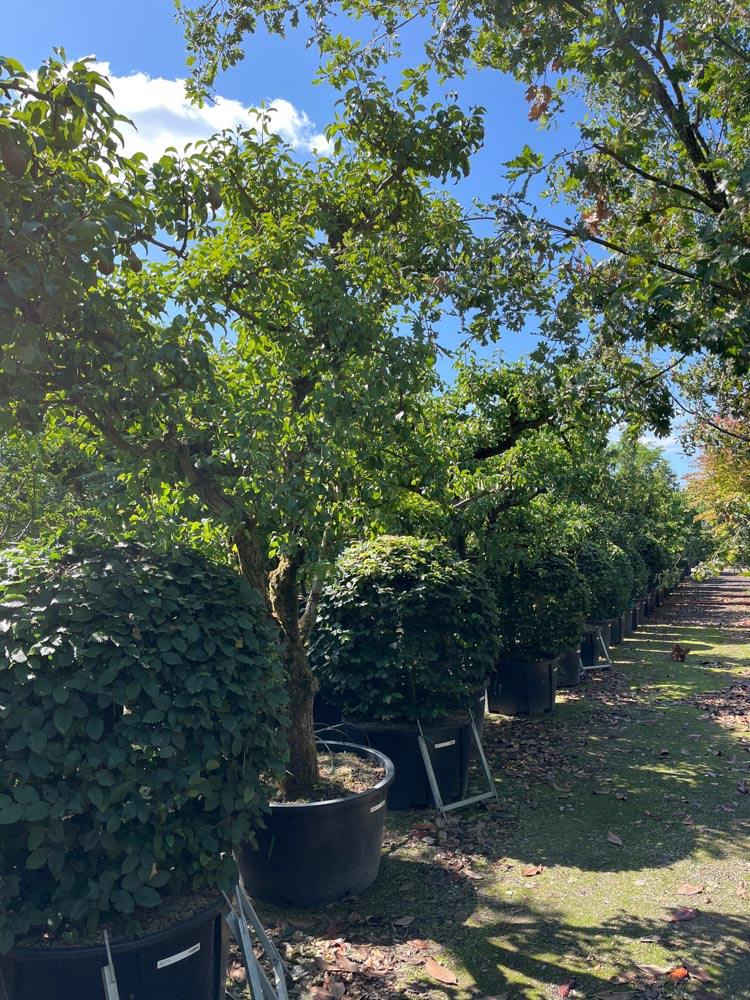
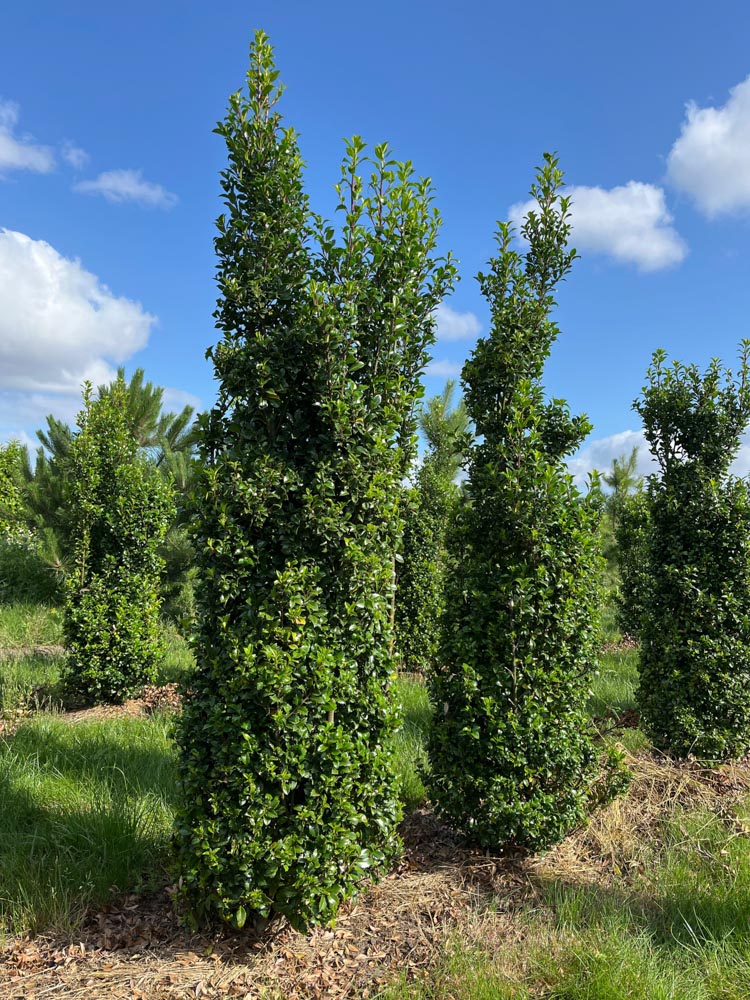
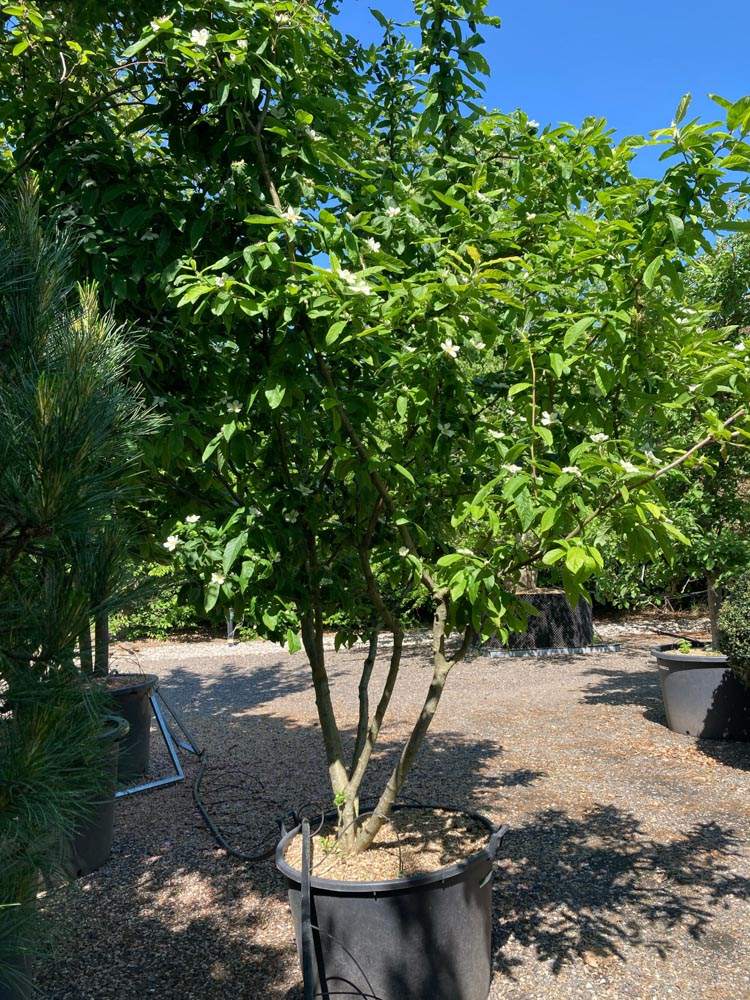
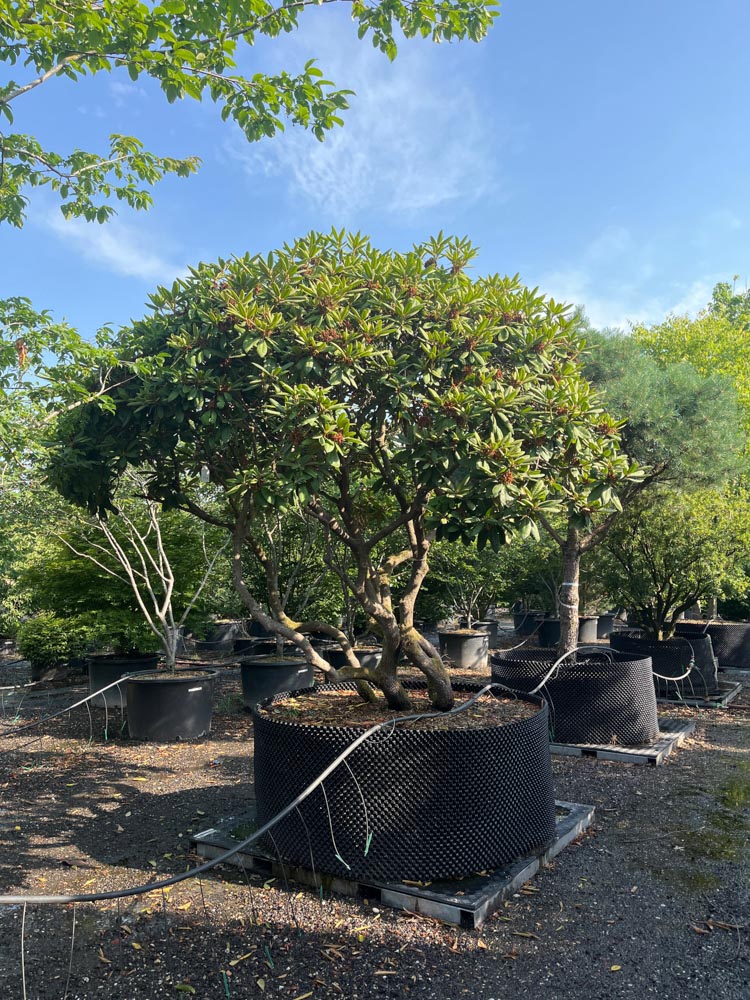
Taxus cuspidata Japanese yew height 300/350 cm in container

About Taxus cuspidata

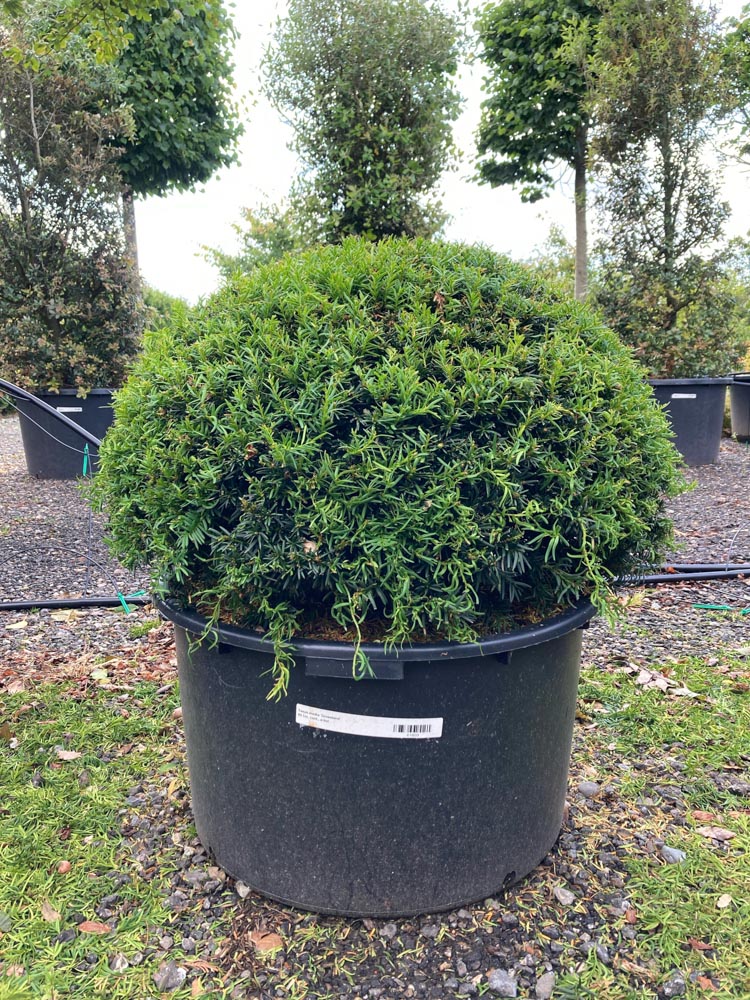
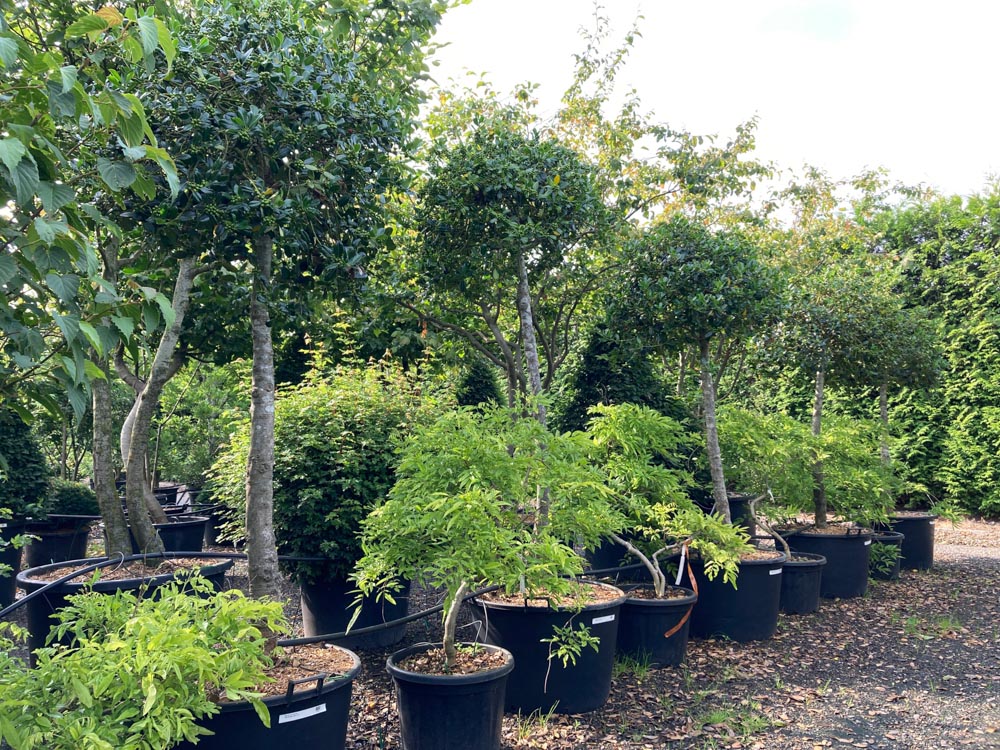
Taxus cuspidata, the Japanese yew, is native to Japan, Korea, northern China and eastern Russia, and belongs to the same family as the European vine. The name ‘cuspidata’ refers to its pointed, slightly sharper needle tip compared to the European species. Japanese yew is distinguished from Taxus baccata by a slightly broader, more spread out growth habit, darker upper needles and a slightly coarser habit. The trunk is reddish-brown, similar to the European yew. The leaves are dark green on top, greenish-yellow on the underside, needle-shaped and present throughout the year. Flowering is inconspicuous, yellow, in early spring. The red aril leaves in autumn are decorative and eaten by birds - the seed is poisonous but the red mantle is not. Growth rate is slow to moderate. A special feature is its excellent winter hardiness: the Japanese yew tolerates extreme cold better than the European species, making it suitable for cold, continental and urban conditions. Drought and wind tolerant. Available at Smits as multi-stemmed from 300/350 cm to 400/450 cm in height and as free growing at 300/350 cm to 350/400 cm.

Application and location

Taxus cuspidata is excellent as a solitary ornamental tree, as a multi-stemmed tree with annual dark green mass and as a shrub for formal landscaping. Slightly more spreading habit than Taxus baccata, but similar uses. Sun, semi-shade or shade on a well-drained soil of loam, clay, sand or lime. Drought and wind tolerant. Excellent winter hardiness, also more extreme than European yew. Attention: poisonous. Suitable for garden, park and urban use.

Do you already know exactly what you need?

Every garden and every greenery project is different. Therefore, at Smits Arboriculture we do not make standard quotations, but we like to look together at what suits your wishes, planning and the character of the project.

our opinion

The characteristics below show the ideal conditions for a Taxus cuspidata. They will help you choose the right species for your project, but may vary slightly from one garden or project to another.

the runners

This is a list of the most frequently selected products. Looking for a specific product? Visit contact with us and we will be happy to help you personally. 

Dimensions

Value

Delivery form

Feature

Photo

Height
300/350 cm
Container
Multi-strain
58328-1.jpg

Is the image missing?
Mail to info@smitsbv.nl

Height
350/400 cm
Container
Multi-strain
58300-1.jpg

Is the image missing?
Mail to info@smitsbv.nl

Height
400/450 cm
Container
Multi-strain
58299-1.jpg

Is the image missing?
Mail to info@smitsbv.nl

Height
300/350 cm
Container
/
58096-1.jpg

Is the image missing?
Mail to info@smitsbv.nl

Height
350/400 cm
Container
/
58098-1.jpg

Is the image missing?
Mail to info@smitsbv.nl

Is the Taxus cuspidata you are looking for not listed?

No worries. Chances are we still have the species you are looking for! Visit contact with us and we will be happy to help you. 

Every garden and every greenery project is different. Therefore, at Smits Arboriculture we do not make standard quotations, but we like to look together at what suits your wishes, planning and the character of the project.

Get inspired by our park, container field and the way trees and hedges come together in the design. Ideal for getting ideas for your next project.
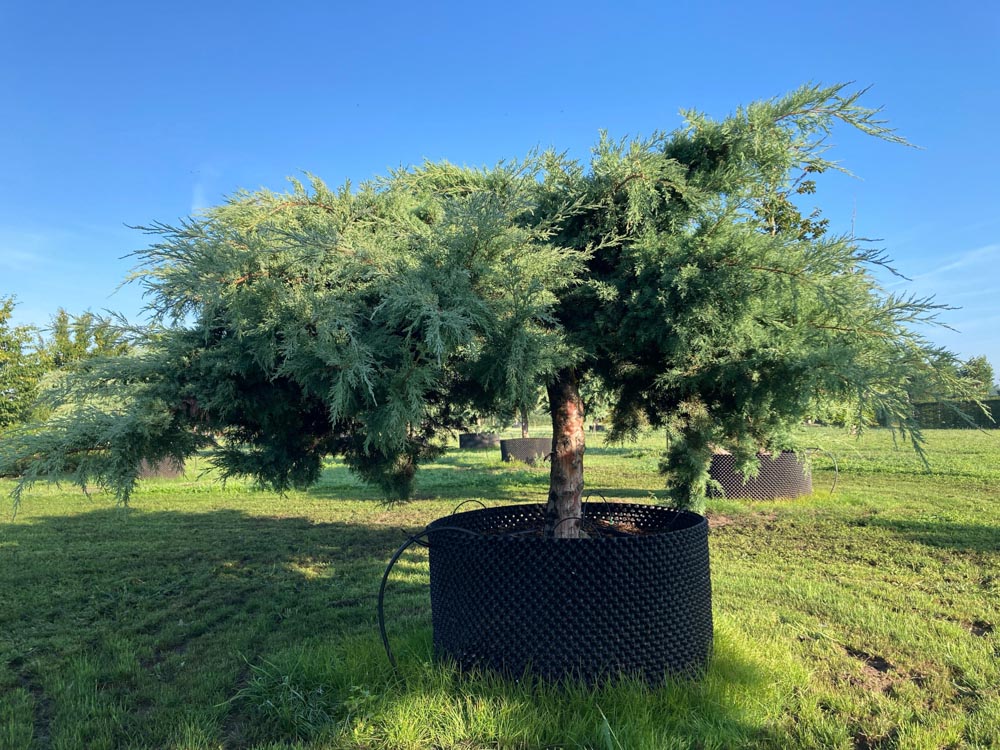
Discover how gardeners and designers apply our greenery in high-quality garden and green space projects. From villa gardens to larger landscape projects.

FAQ

Frequently asked questions about Taxus cuspidata

Taxus cuspidata is native to East Asia and has a slightly broader, more spreading growth habit than the European yew. The needles taper slightly sharper. Main difference: the Japanese yew tolerates extreme cold even better than the European species, making it suitable for the coldest sites.
Yes, fully evergreen. Its dark green needles are present all year round. This makes Japanese yew valuable as a year-round structure, in formal landscaping and as a dark green mass in gardens and parks.
Japanese yew reaches a height of 5 to 15 metres depending on growing conditions. Available from Smits as multi-stemmed from 300/350 cm to 400/450 cm height and as free growing from 300/350 cm to 350/400 cm. Growth rate is slow to moderate.
Yes, excellent - even better than European yew. Japanese yew tolerates extreme cold and continental conditions well. In the coldest regions of the Netherlands and Europe, this makes it a more reliable choice.
Yes, sun, semi-shade and shade are well tolerated, similar to Taxus baccata. In dark garden positions, Japanese yew remains compact and dark green. One of its strongest attributes.
Sun, semi-shade or shade on a well-drained soil of loam, clay, sand or lime. Drought- and wind-tolerant. Wet, stagnant soil is detrimental. Widely adaptable to various garden situations.
Yes, all parts except the red fleshy fruit mantle are toxic to humans and animals. This applies to all yew species. Care should be taken in gardens with children and pets.
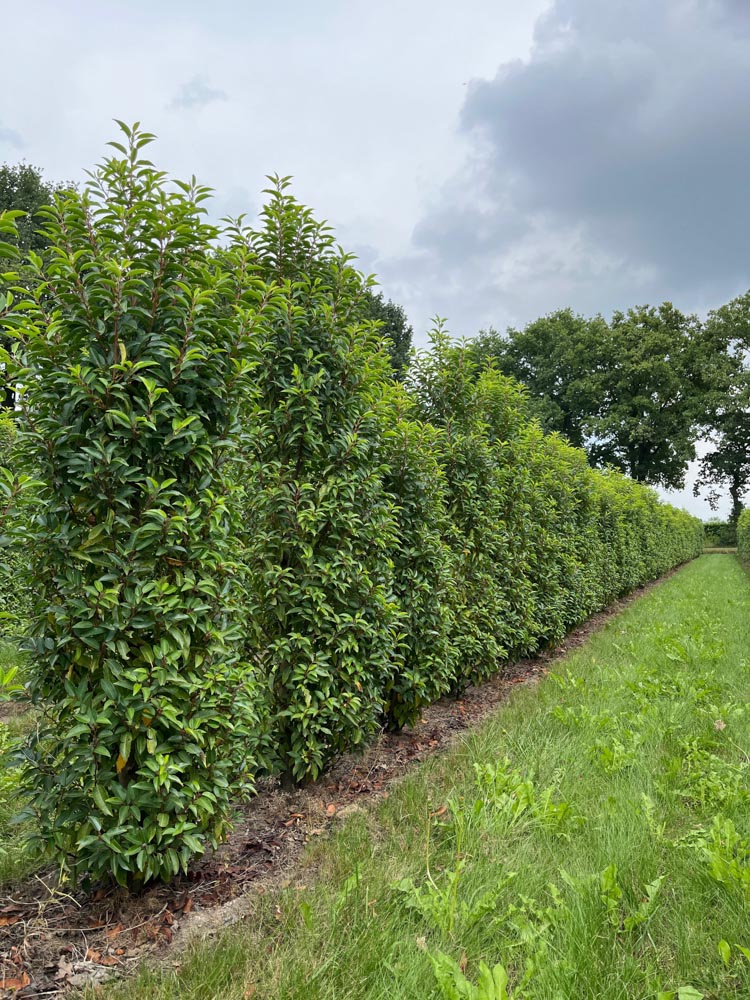
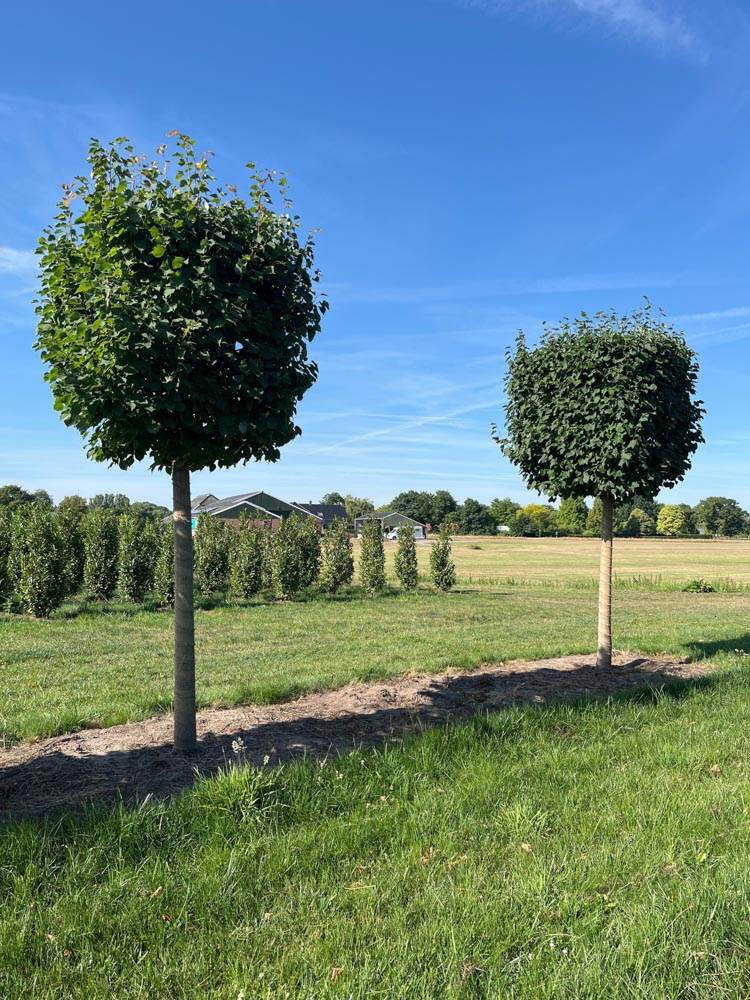
Yes, Japanese yew tolerates pruning well and is suitable for hedges, topiary and formal planting. Its slightly broader habit compared to Taxus baccata gives it a slightly coarser texture, but for most formal applications it is excellent.

See also