





Espaliers & shaped trees
Green that makes lines and frames visible
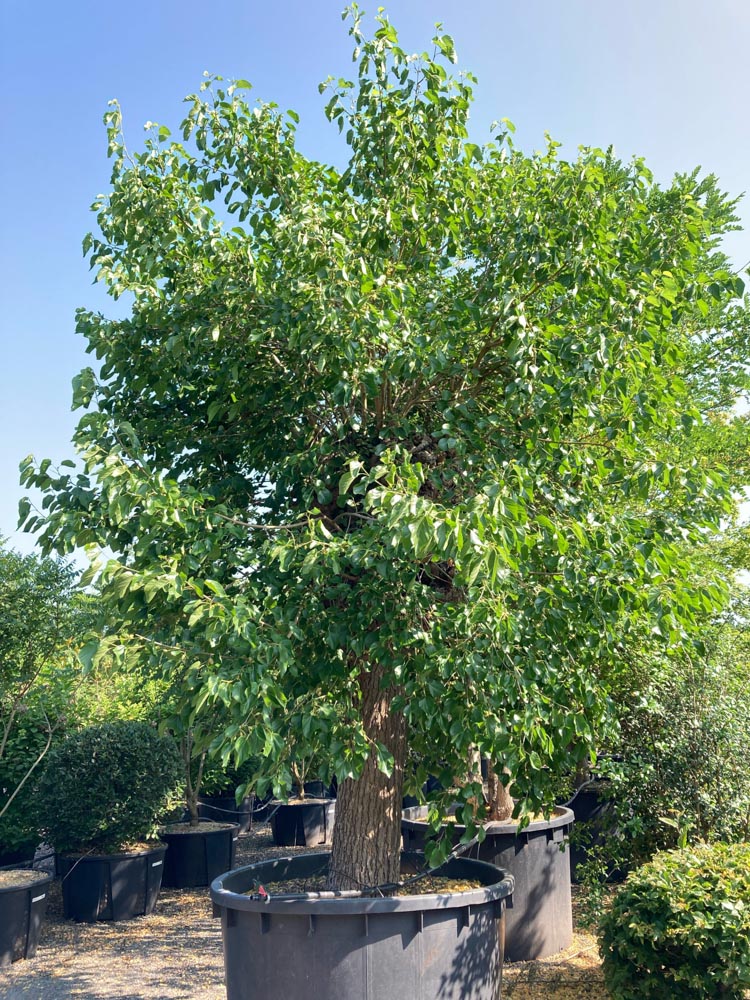
- Acer campestre
- Carpinus betulus
- Tilia europaea 'Pallida'
- Carpinus betulus
- Carpinus betulus
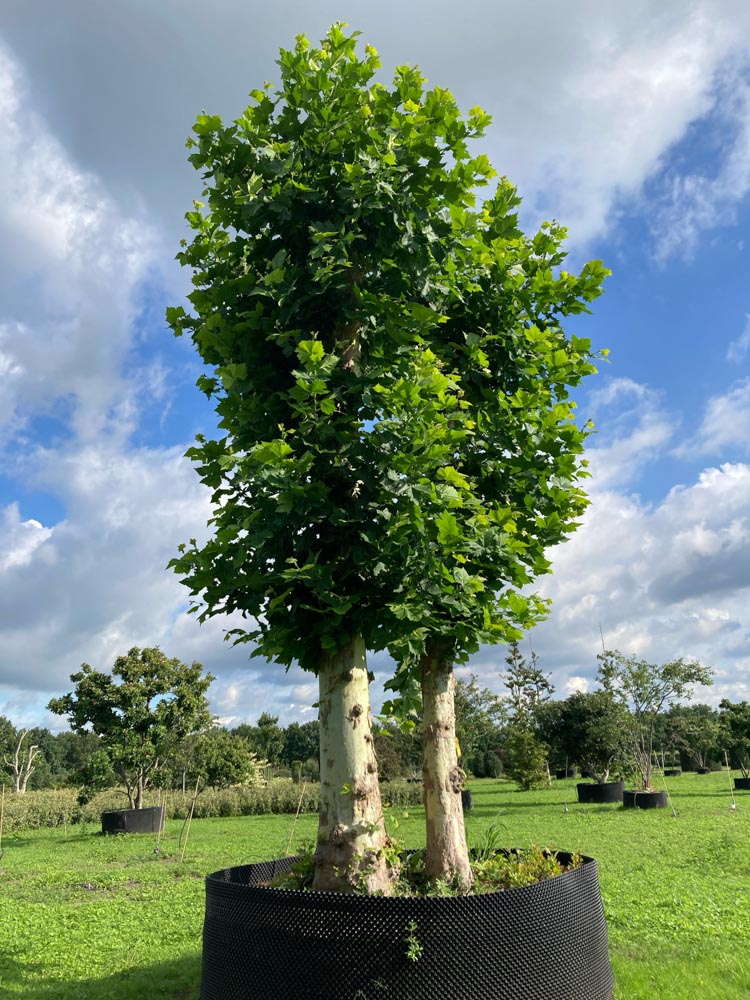
- Platanus hispanica
- Platanus hispanica
- Platanus hispanica
- Carpinus betulus
- Carpinus betulus
- Fagus sylvatica 'Atropunicea'
- Fagus sylvatica 'Atropunicea'
- Tilia europaea 'Pallida'
- Fagus sylvatica
- Carpinus betulus
- Carpinus betulus
- Tilia europaea 'Pallida'
- Tilia europaea 'Pallida'
- Tilia cordata 'Greenpire' screen shape
- Tilia europaea 'Pallida'
Types of espalier & shaped trees
espaliers and shaped trees in various plant species
Forshaped trees and espalier trees, we work with species that are excellent for training and pruning. They keep their shape well and are reliable in growth and appearance.
These trees are widely used in projects where structure, repetition and a clean final appearance are desired.
Most popular species
- Carpinus betulus Hornbeam
- Acer campestre Field maple
- Platanus × hispanica Plane tree
- Fagus sylvatica Beech
- Fagus sylvatica ‘Atropunicea’ Red beech
- Tilia europaea ‘Pallida’ Large-leaved lime
- Tilia cordata ‘Greenspire’ Winter lime
Range of espalier & shaped trees
Ourshaped trees and espalier trees
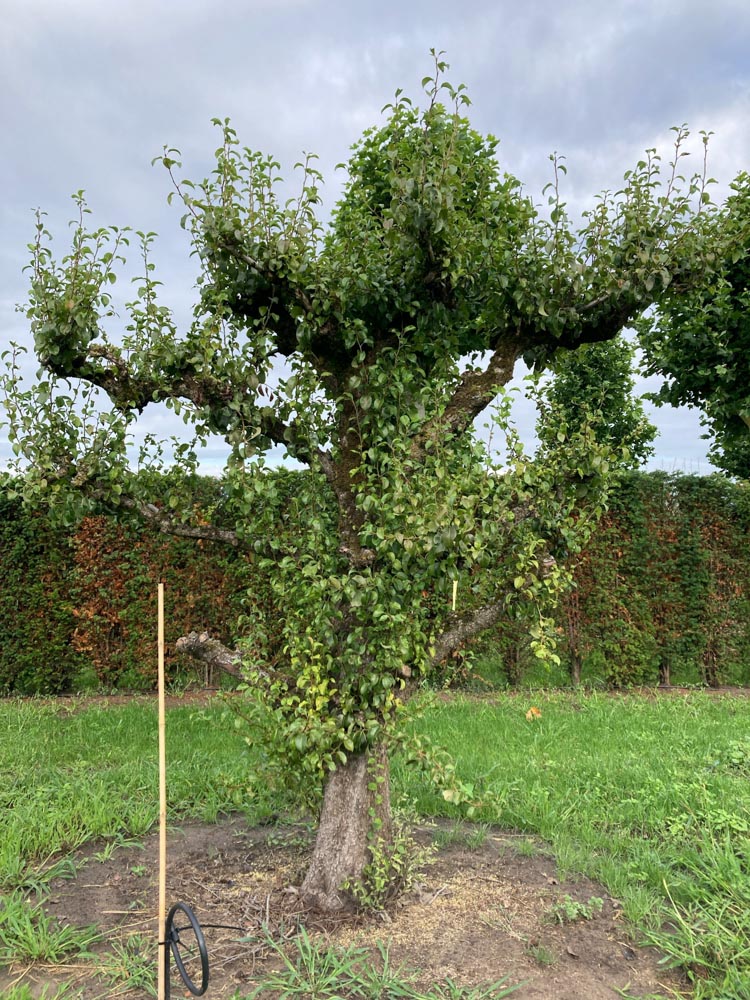
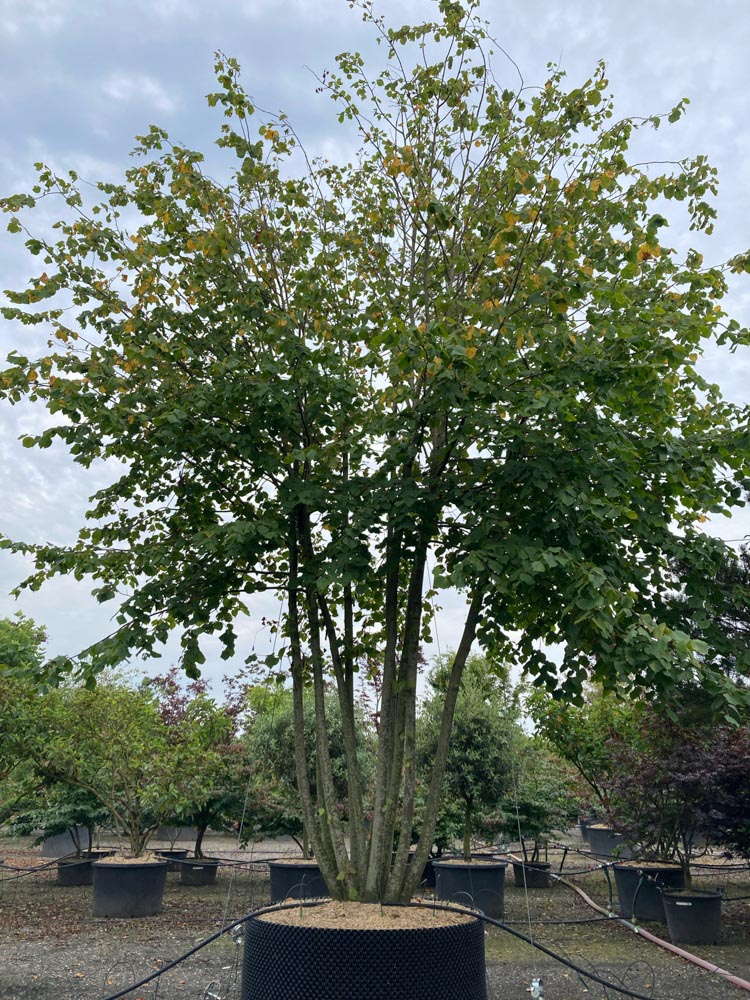
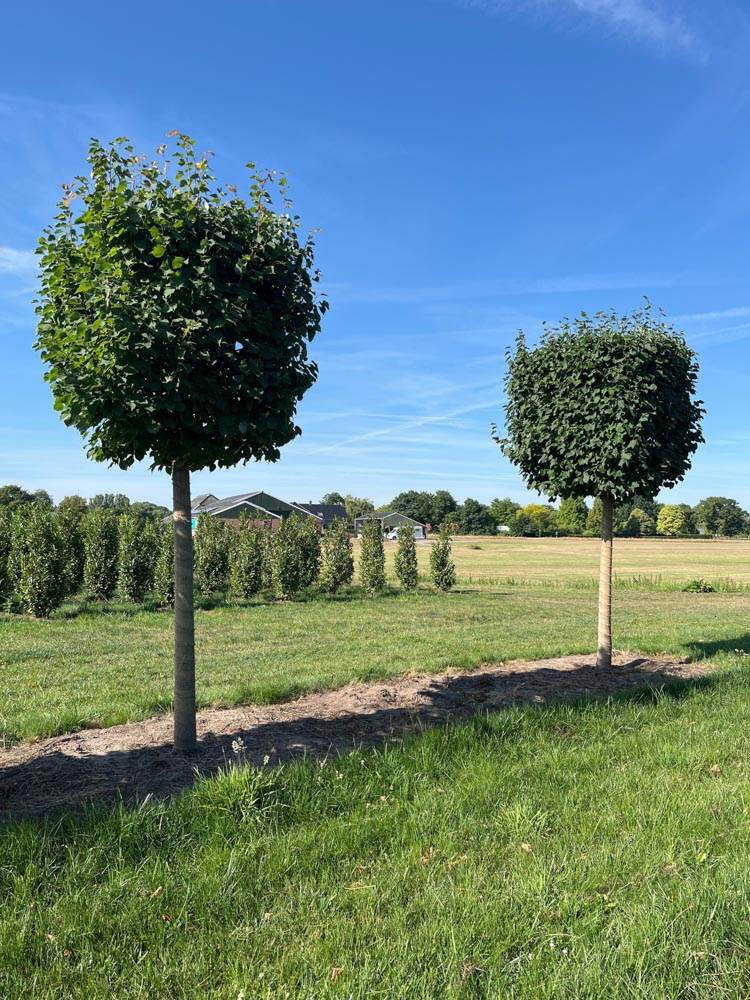
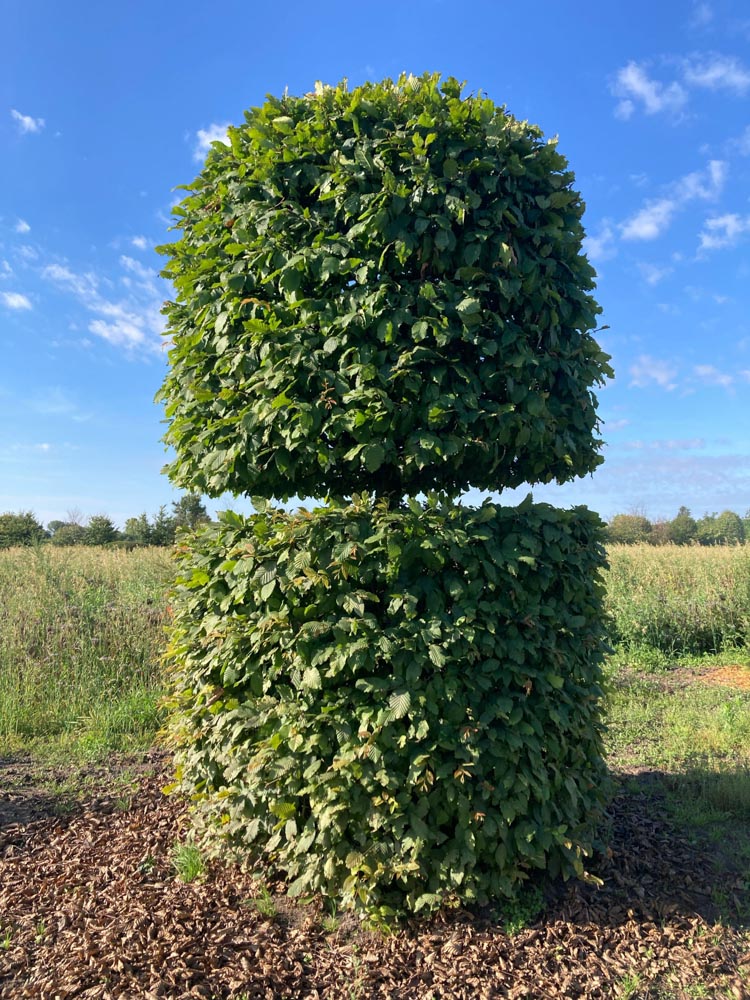
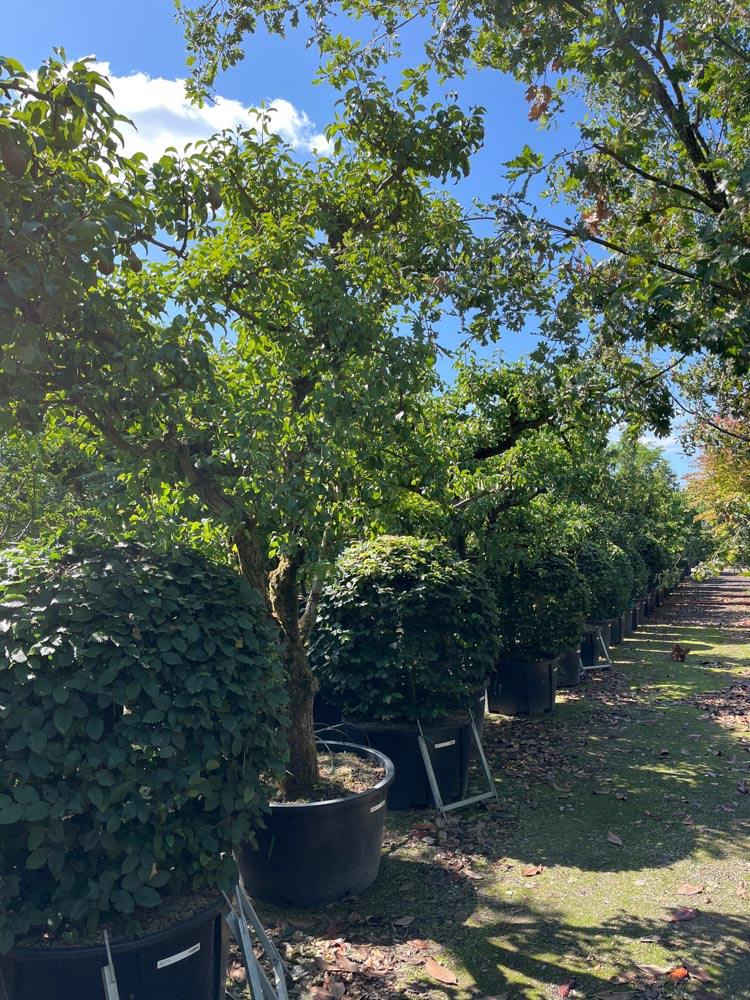
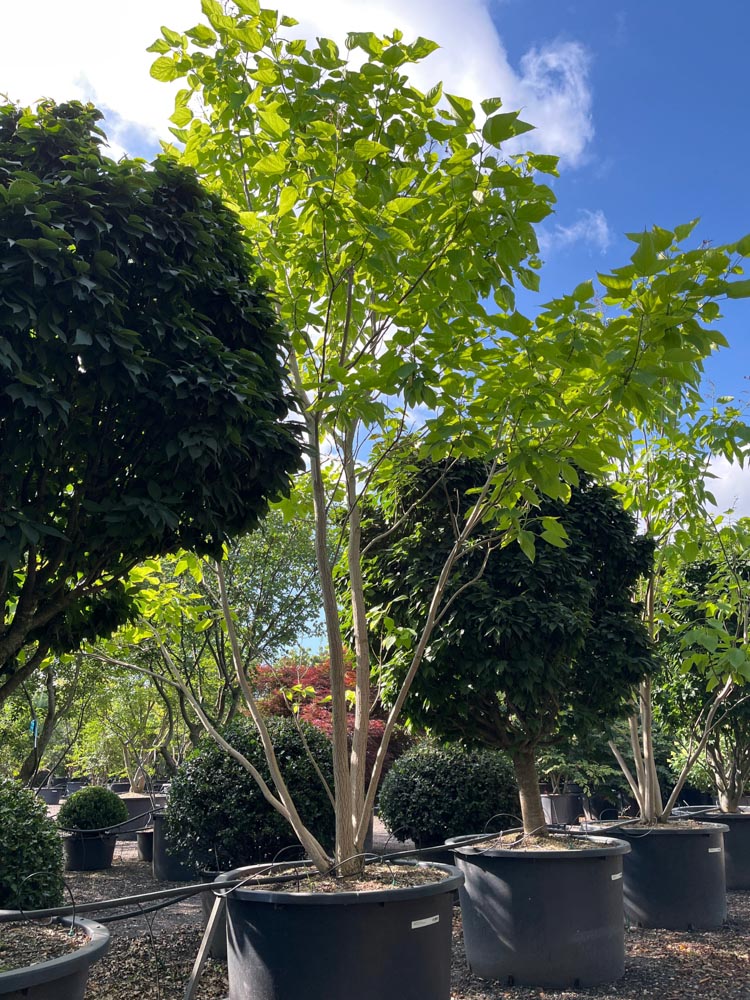
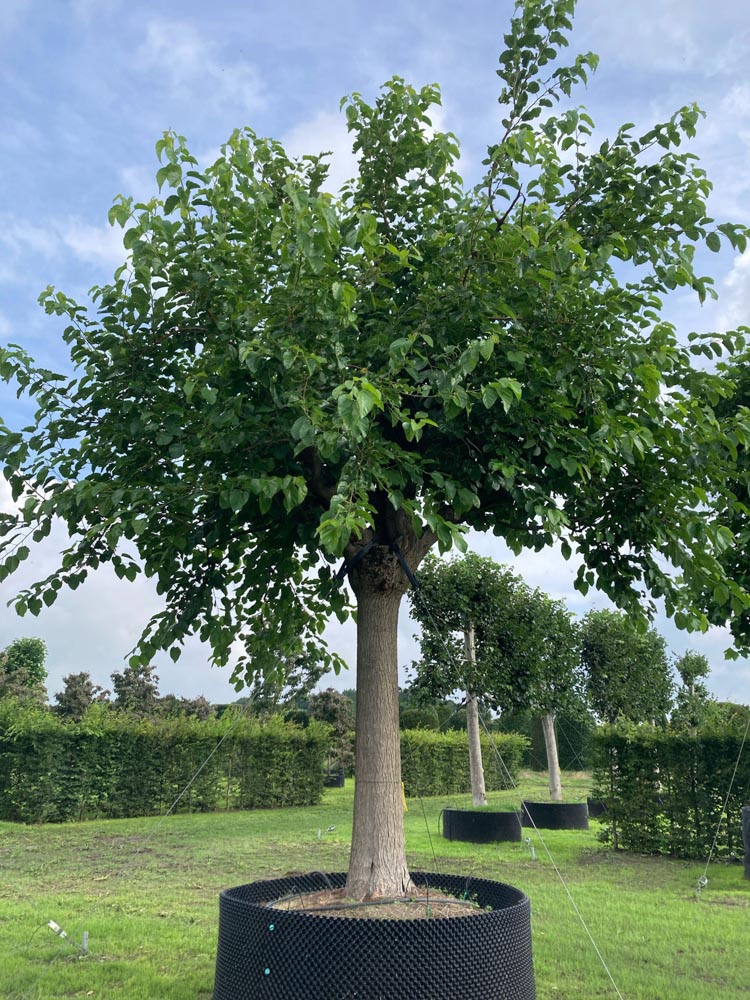
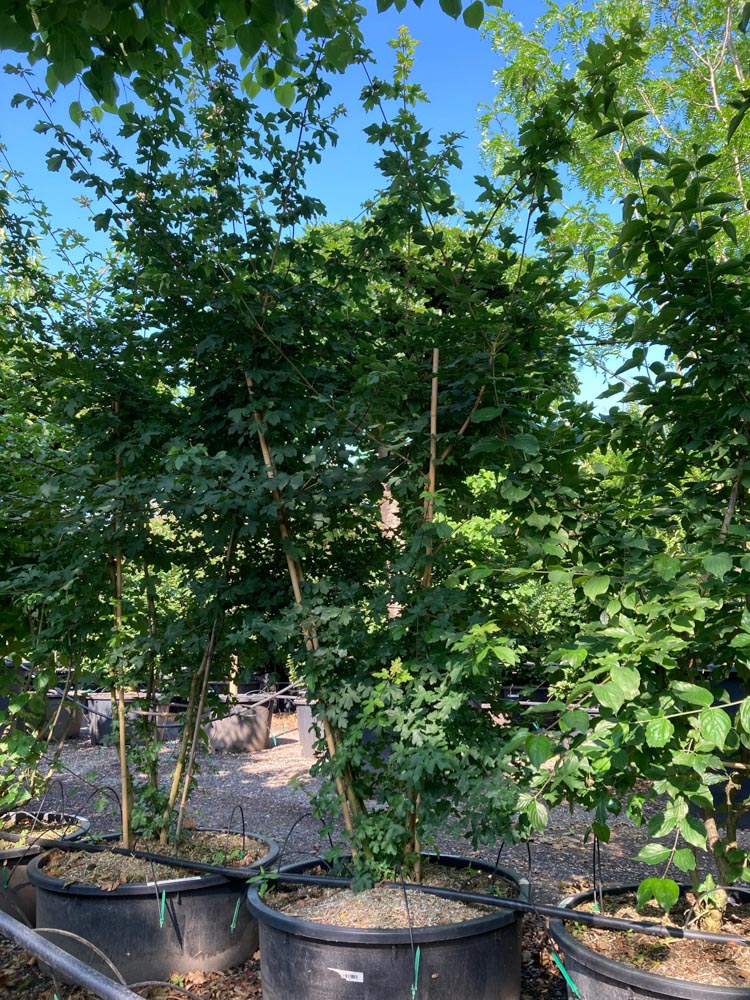
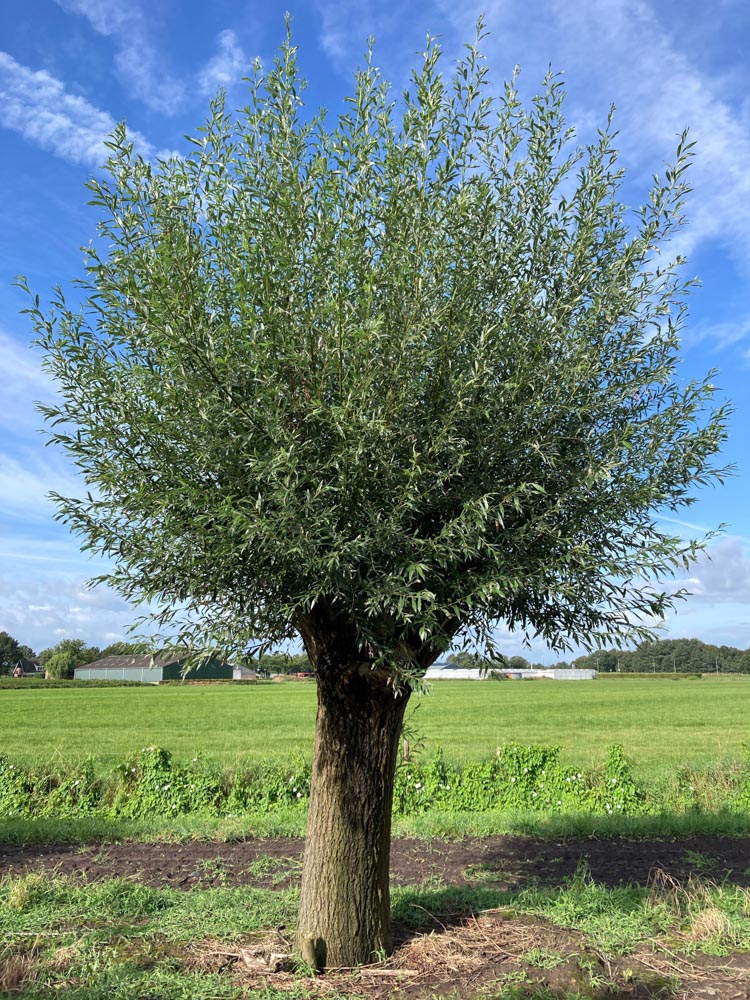
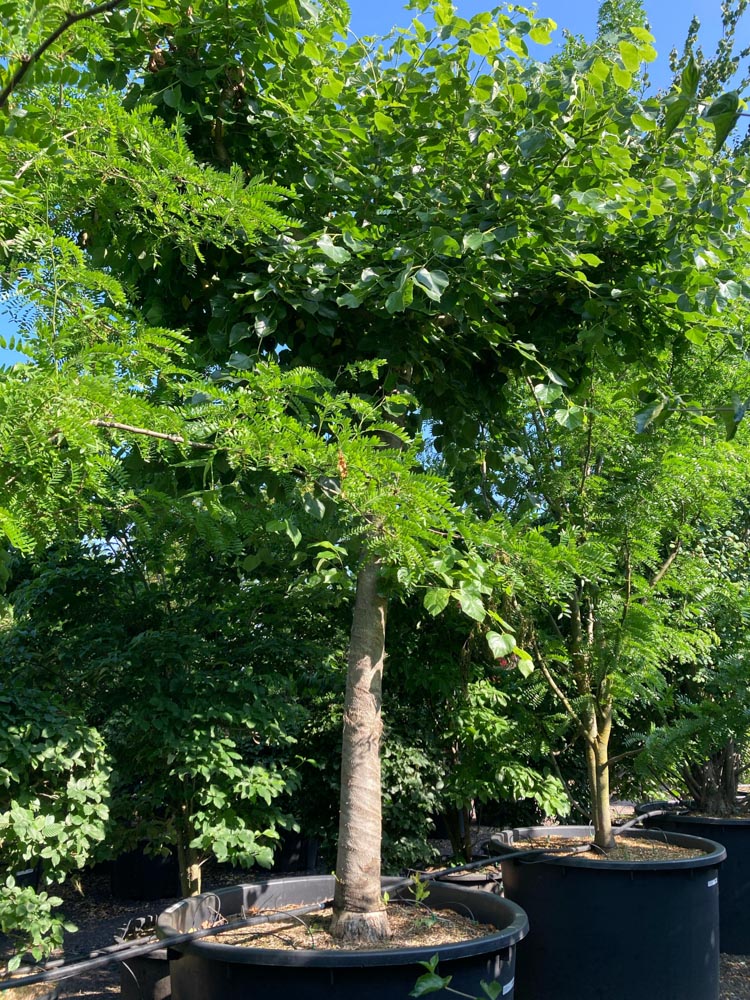
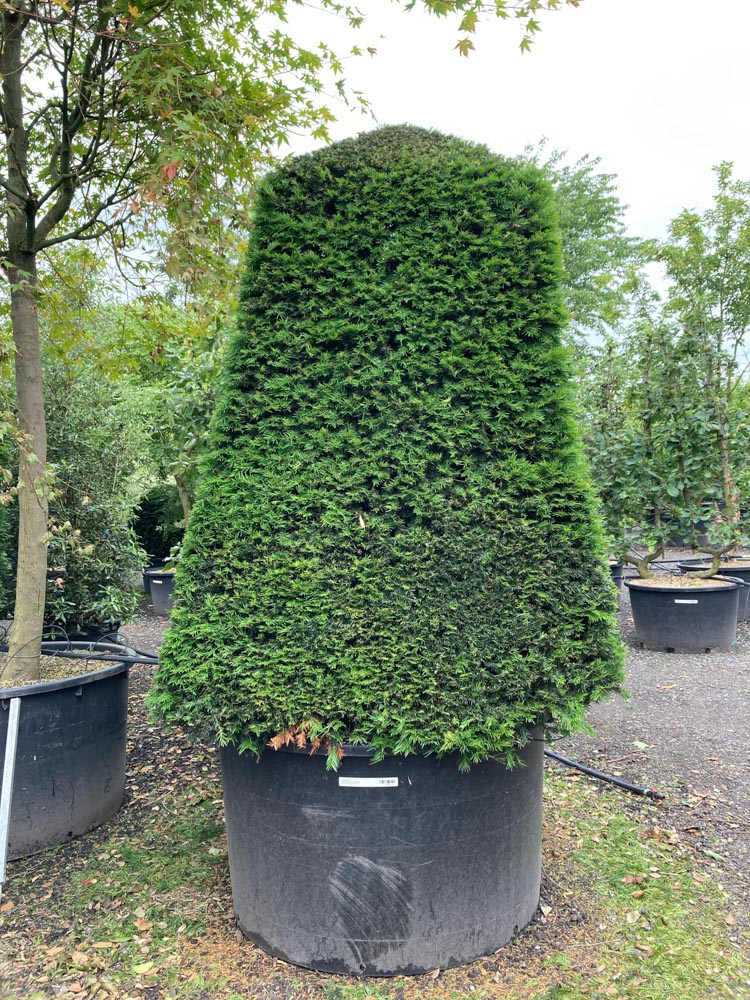
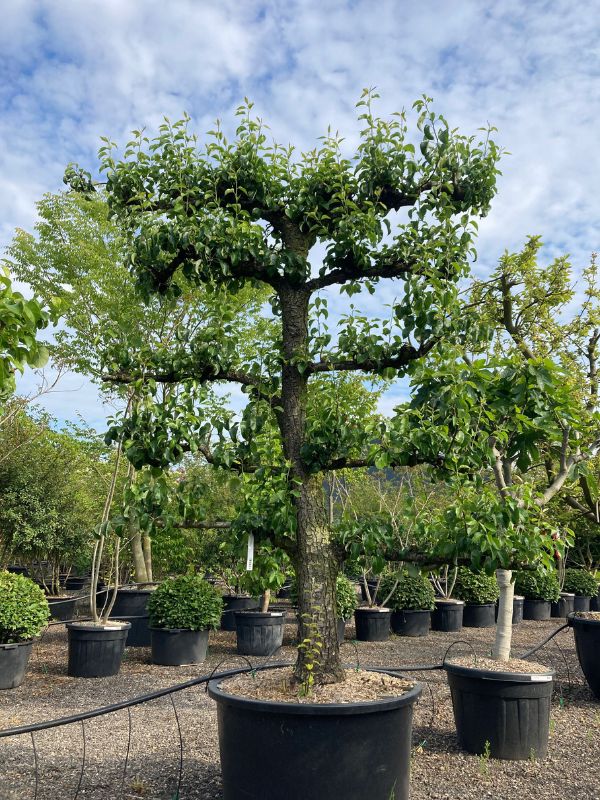
Within our range, you will find shaped trees and espalier trees in various shapes, sizes and designs. From tightly guided espalier shapes to shaped trees that function as an architectural element within a design.
The trees are cultivated with care and guided in their growth, so that they are dimensionally stable and directly applicable within projects. The variety of species and sizes makes them suitable for both private gardens and larger green projects.



Whyshaped trees and espalier trees
Functional and architectural
espaliers and shaped trees offer more than just greenery. They provide shelter, privacy and shading, while at the same time adding a strong visual structure to the design.
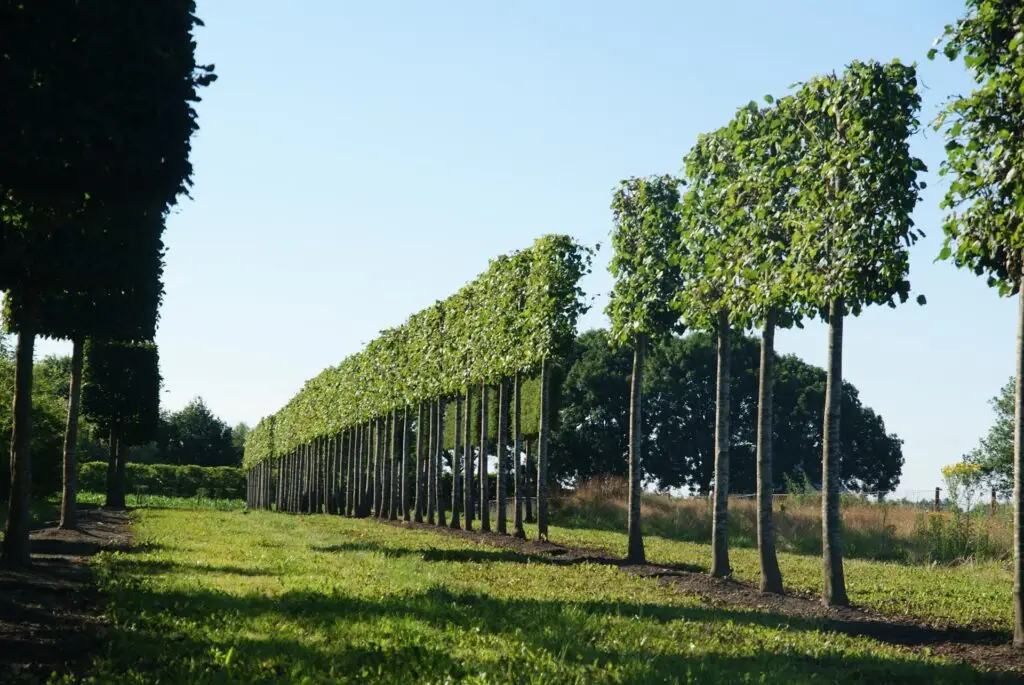
Planting them in a repeating pattern creates clear lines and frames that remain visible throughout the year. This makes these trees particularly suitable for:
- modern and formal gardens
- representative outdoor areas
- projects where architecture and greenery reinforce each other
In terms of maintenance, shaped trees and espalier trees require regular pruning to maintain their shape. Most species are suitable for sun to semi-shade and have average water requirements, depending on location and species.
Options
Shapes and applications
Smits Nursery grows shaped trees and espalier trees among others in:
- lay form
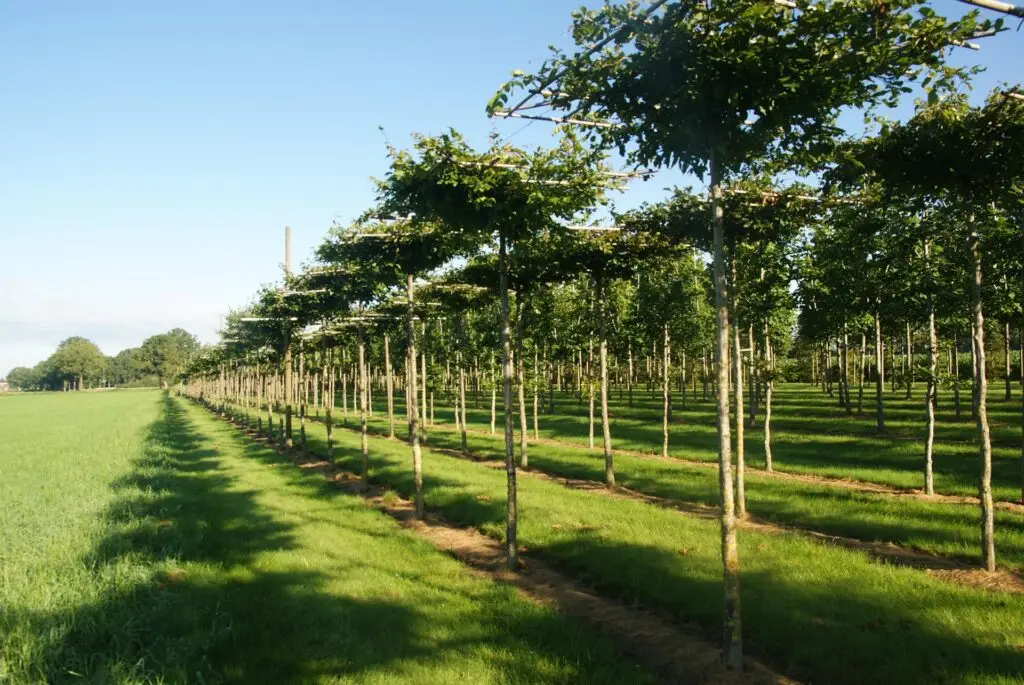
- roof shape
- block shape
Depending on the design, the shapes can be sleek and minimalistic or, on the contrary, used functionally as a green screen or sun filter. Thanks to the many variations, shaped trees and espalier trees can be used for a wide range of projects.
FAQ
Frequently asked questions on shaped trees and espalier trees
What is the difference betweenshaped trees and espalier trees?
Where are espaliers most commonly used?
Areshaped trees and espalier trees suitable for modern gardens?
How high-maintenance are espalier trees?
Canshaped trees and espalier trees be planted all year round?
How quickly do espaliers provide privacy or shelter?
Which tree species are most suitable as espalier trees?
Are espaliers suitable for larger projects?
Can espalier trees be delivered to size?
Why do professionals choose espaliers from Smits?
Looking together at what fits your project?

Would you prefer to see the trees in real life first?
You are welcome to visit our nursery!
