Topiary
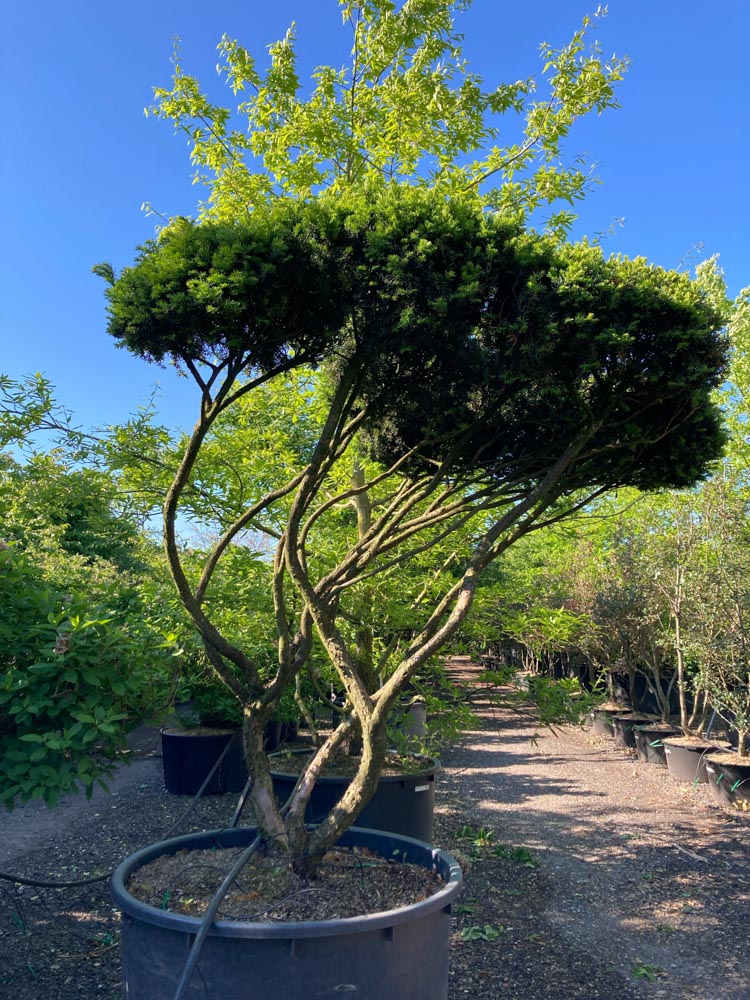
Topiary is topiary in its most refined form. At Smits Arboriculture, we grow and prune plants and trees into sleek, recognisable shapes that instantly add structure, rhythm and character to a design. From classic bulbs to distinctly architectural shapes, topiary are living works of art that enhance the style of homes and buildings.
Thanks to years of experience, craftsmanship and innovative cultivation methods, we supply topiary of consistent quality, suitable for high-quality garden and greenery projects at home and abroad.
Living form art for projects with character
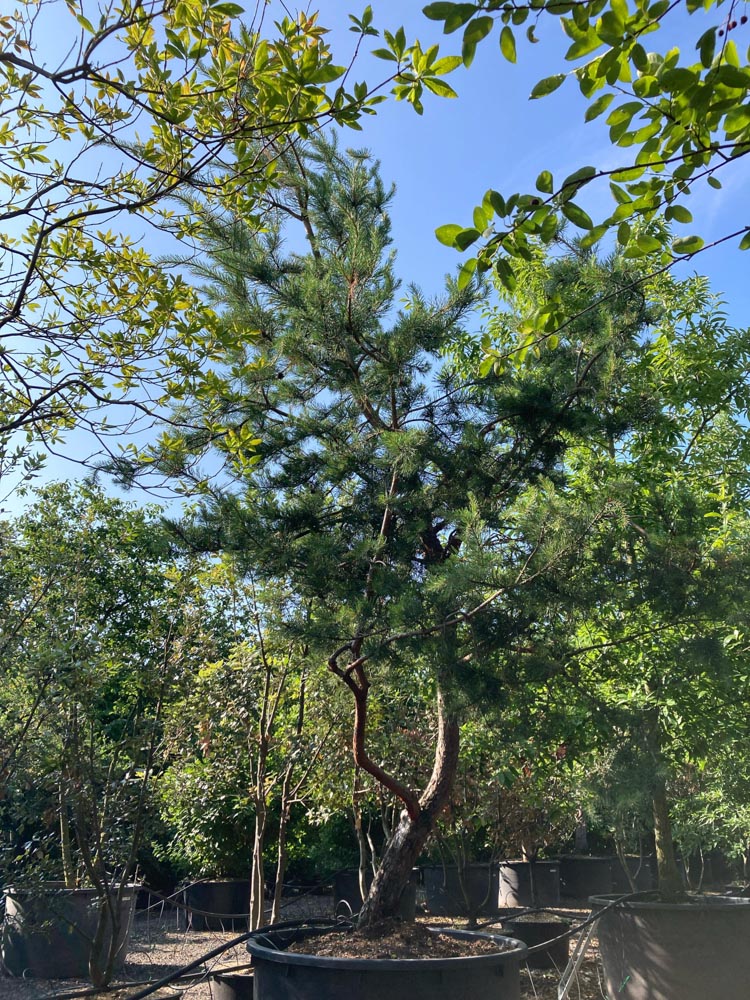
- Taxus baccata
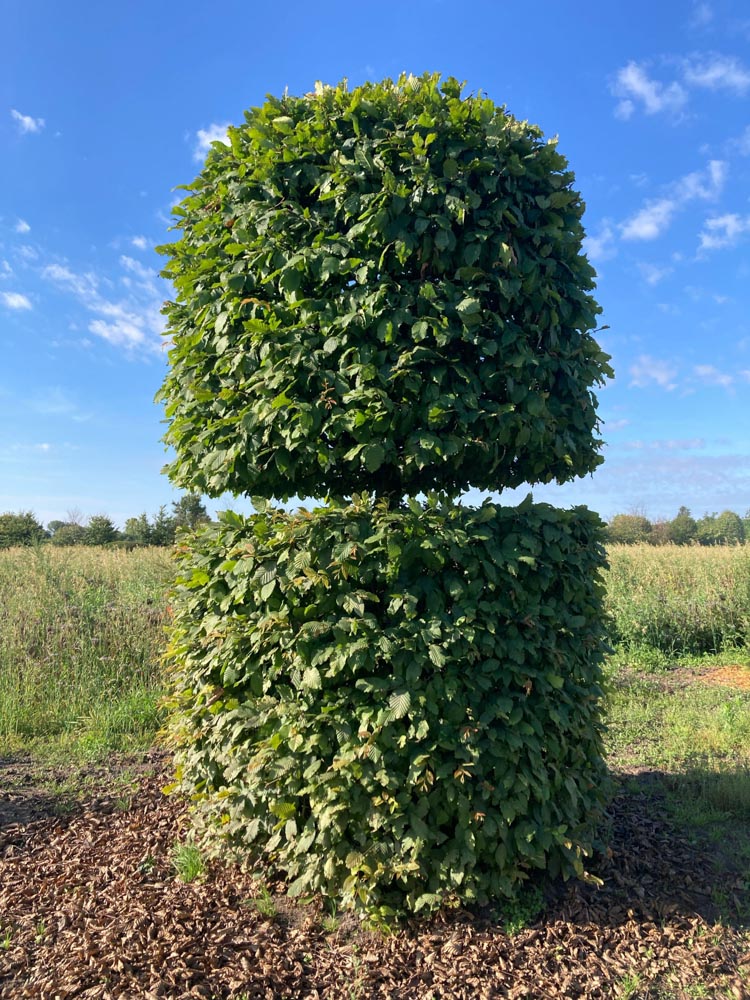
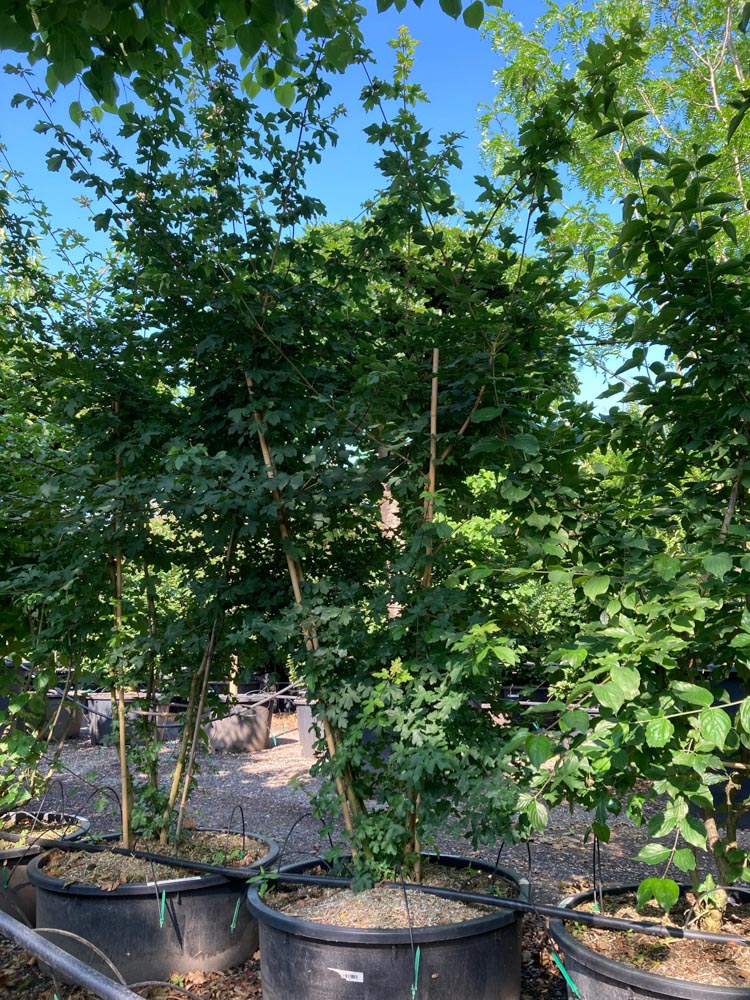
- Carpinus betulus
- Carpinus betulus
- Carpinus betulus
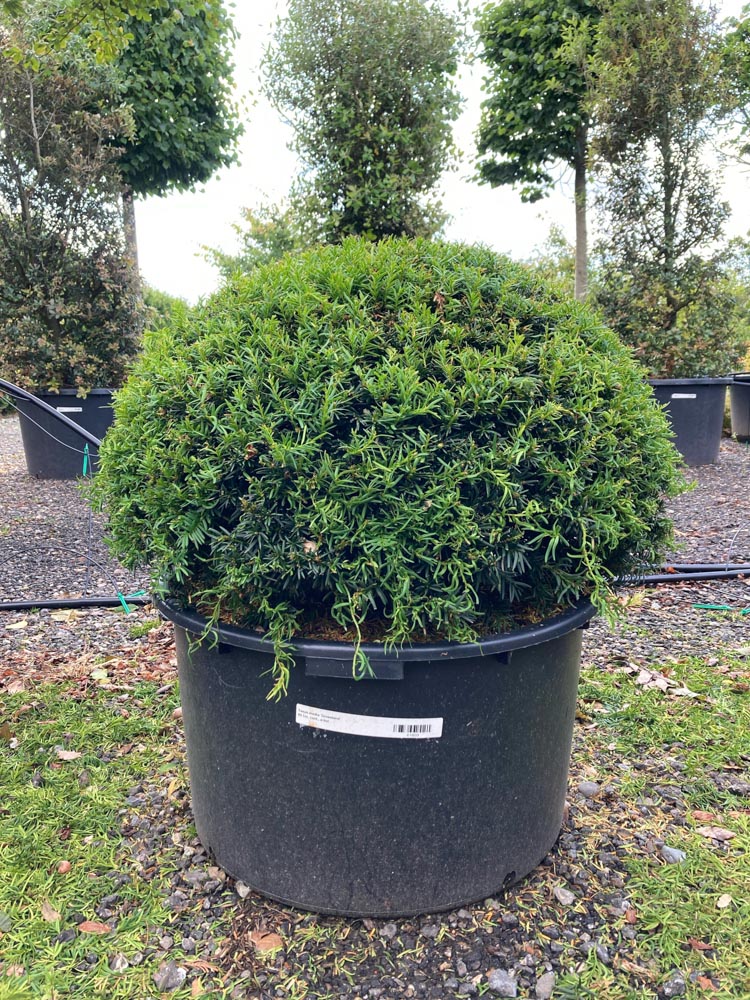
- Taxus baccata
- Taxus baccata
- Taxus baccata
- Taxus baccata
- Fagus sylvatica
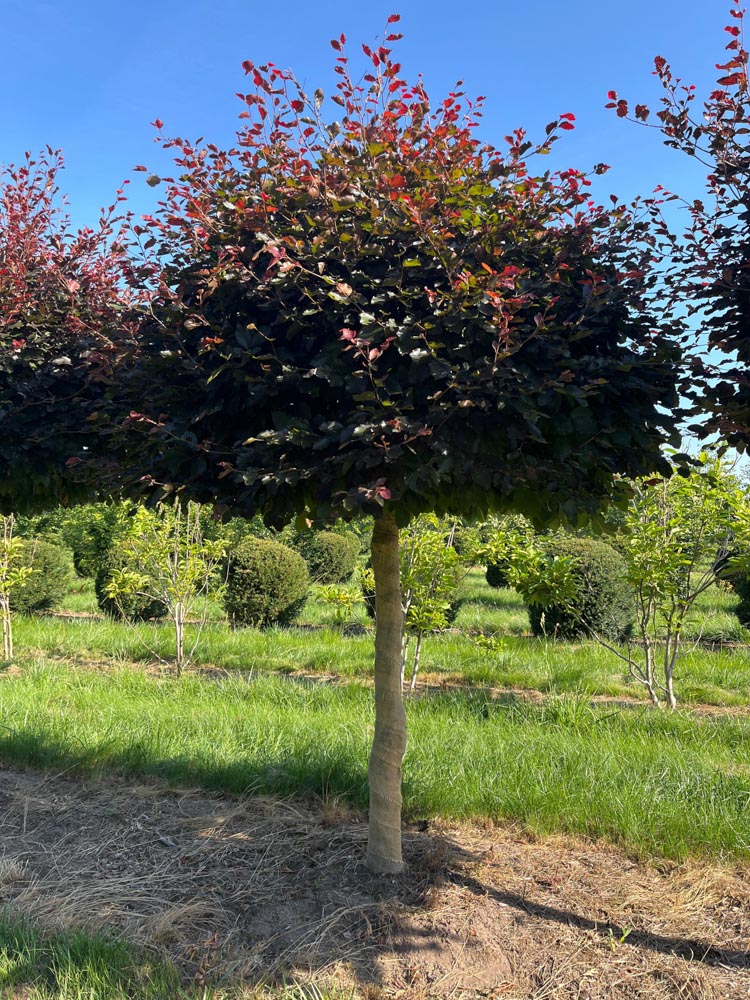
- Fagus sylvatica 'Atropunicea'
- Taxus baccata
- Fagus sylvatica
- Fagus sylvatica
- Fagus sylvatica
- Fagus sylvatica
- Fagus sylvatica 'Atropunicea'
- Taxus baccata
- Fagus sylvatica 'Atropunicea'
- Taxus baccata
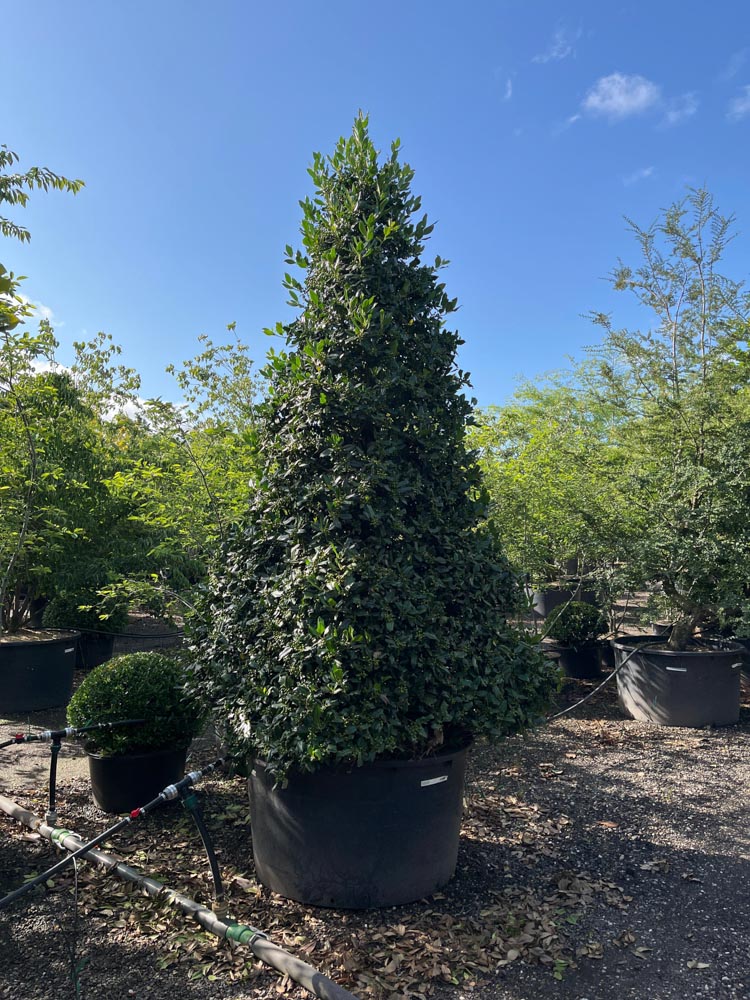
- Prunus lusitanica 'Angustifolia'
- Taxus baccata
- Fagus sylvatica 'Atropunicea'
Types of topiary
Topiary in different plant species
For our topiary, we work with species that lend themselves well to topiary pruning and retain their shape for a long time. Each species has its own look and application within a design.
These varieties offer design freedom in both formal and contemporary gardens and are broadly applicable within the higher end.
Most popular species
- Taxus baccata Venison tree
- Carpinus betulus Hornbeam
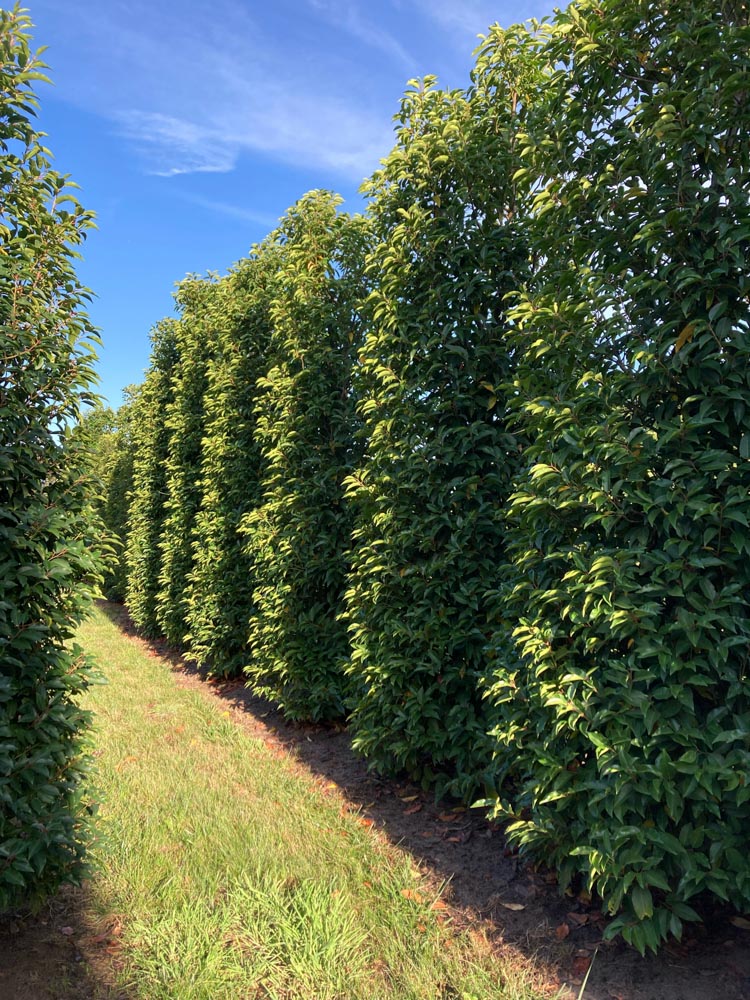
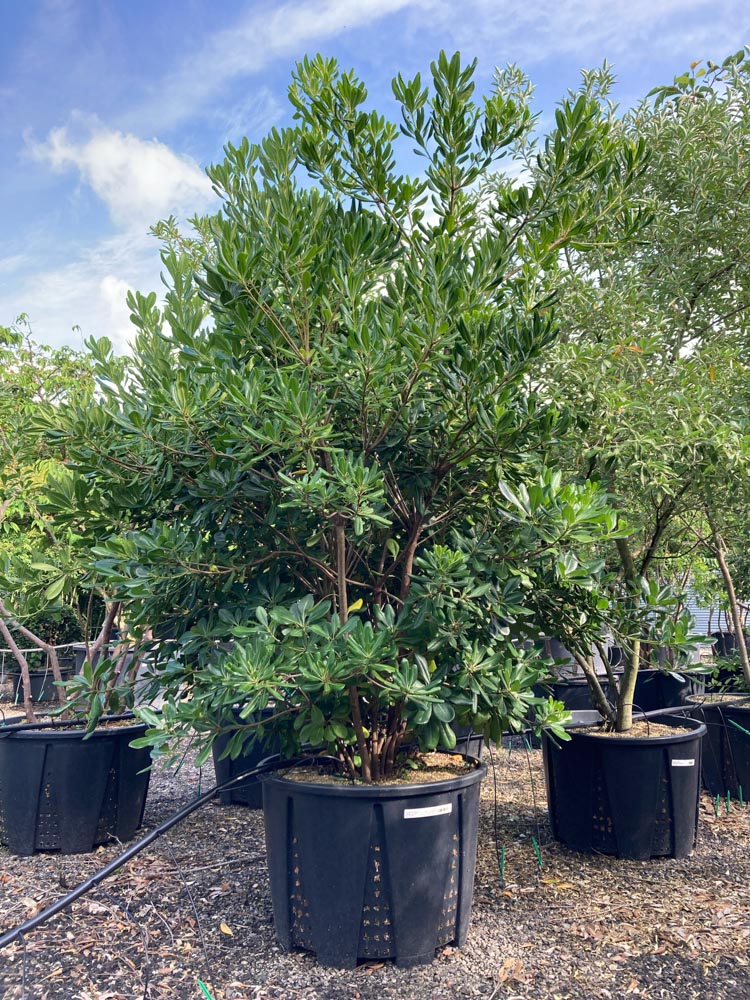
- Prunus lusitanica Portuguese laurel
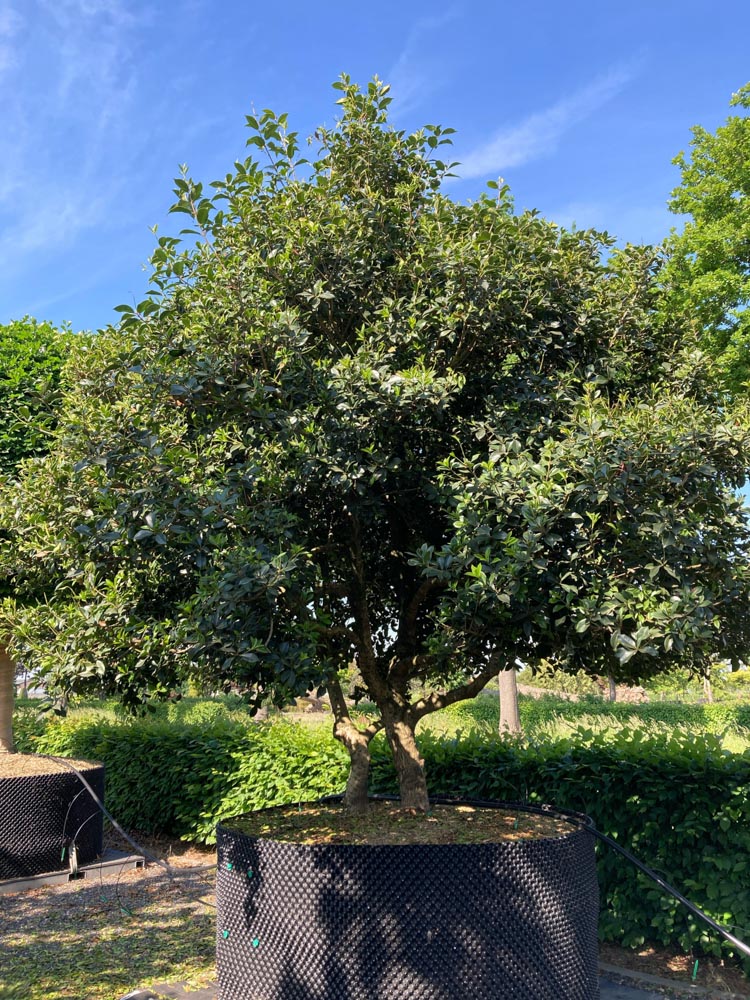
- Osmanthus Mock holly
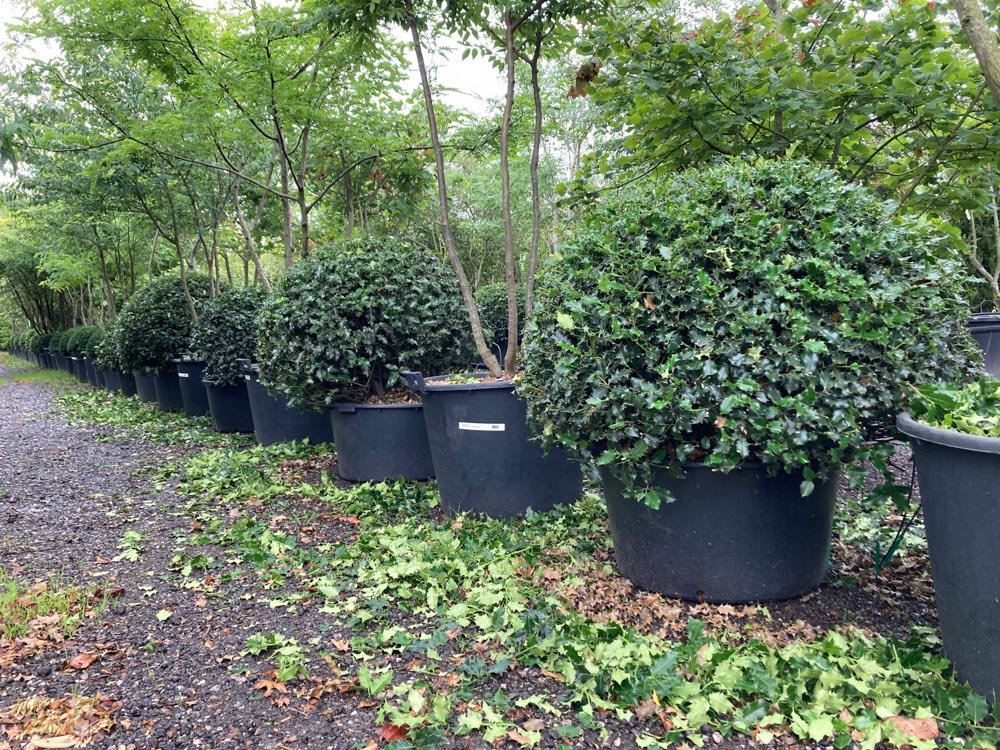
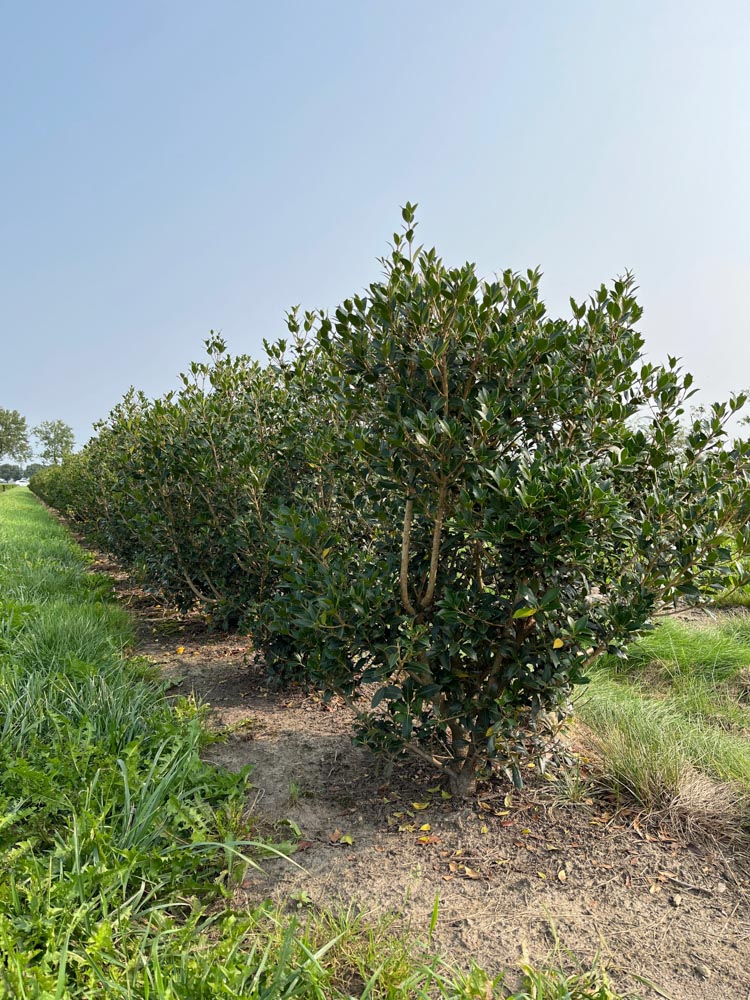
- Ilex aquifolium Holly
- Fagus sylvatica Beech, green- and red-leaved
Range of topiary
Our topiary products
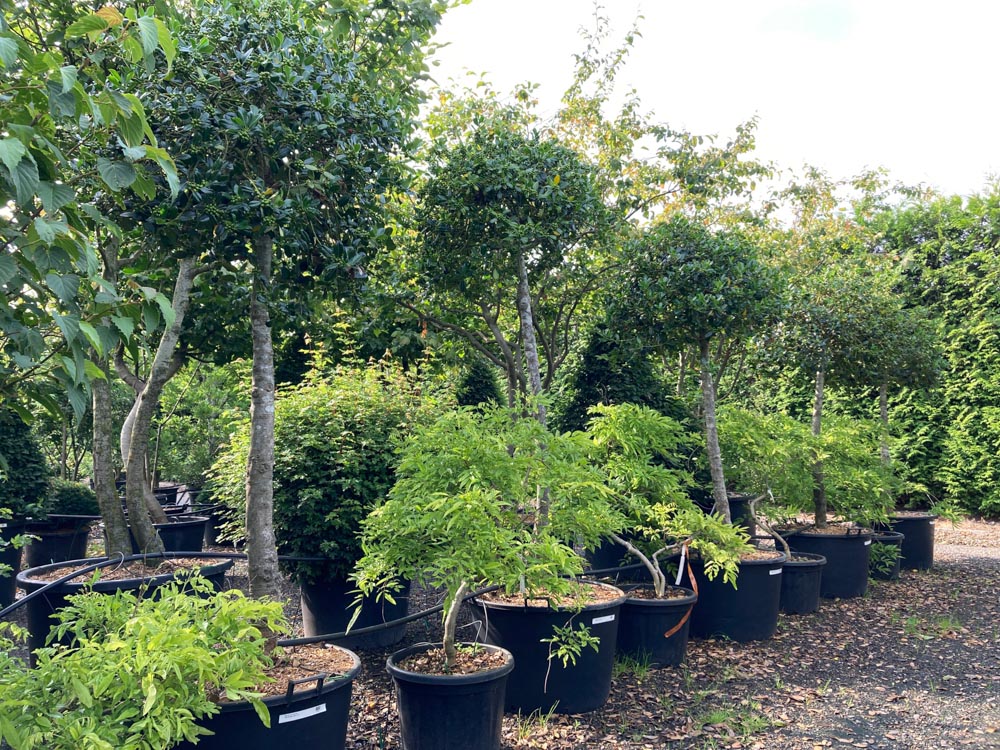
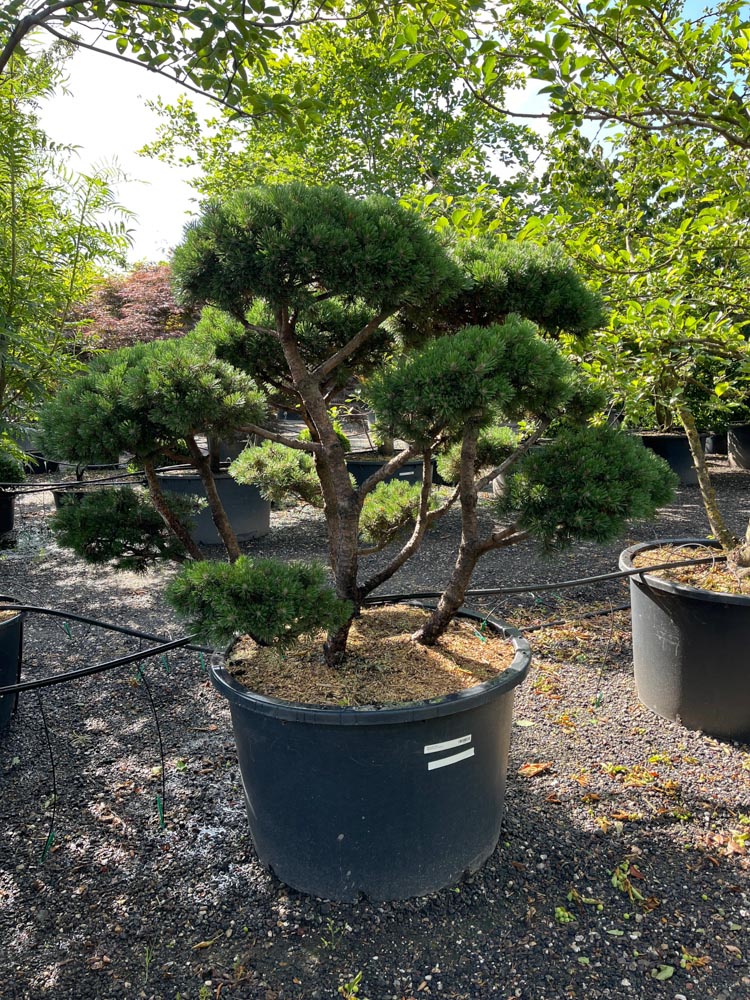
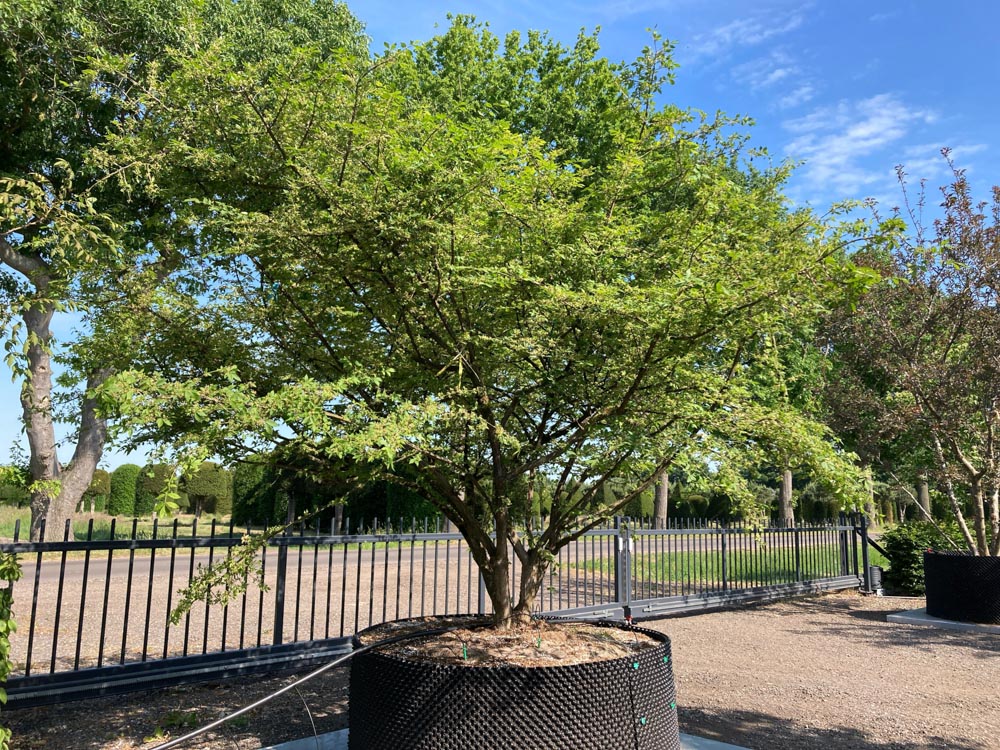
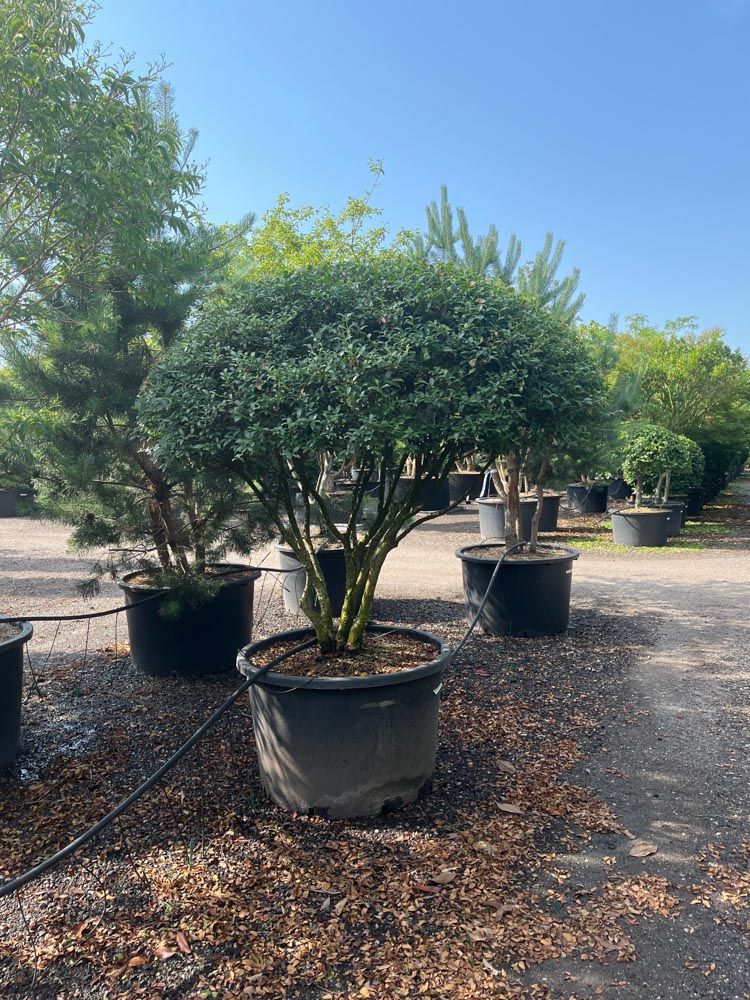
Within our range, you will find topiary in a variety of shapes, sizes and types. From compact bulbs to larger, distinct shapes that function as eye-catchers within a design. All topiary are grown and maintained with care, with an eye for detail and shape retention.
Due to our method of growing and pruning, the plants are strong, well-rooted and immediately usable within professional gardening and landscaping projects.
Why topiary
Topiary as an architectural element
Topiary is the English term for topiary of plants and trees. This technique has its origins in Roman times and is especially firmly rooted in English garden culture. Today, we increasingly see topiary in high-quality garden designs and greenery projects throughout Europe.
Topiary provides:
- clear lines and repetition
- strong visual anchors
- balance between greenery and architecture
They are used as eye-catchers, as rhythmic elements along paths or façades, or as refined details in a larger whole. Due to their fixed shape, topiary are ideally suited for formal gardens, modern designs and representative outdoor spaces at homes and business premises.
In terms of maintenance, topiary requires regular but manageable pruning. Most species are suitable for sun to semi-shade and have average water requirements, depending on species and location.

Options
Pruning shapes and possibilities of topiary
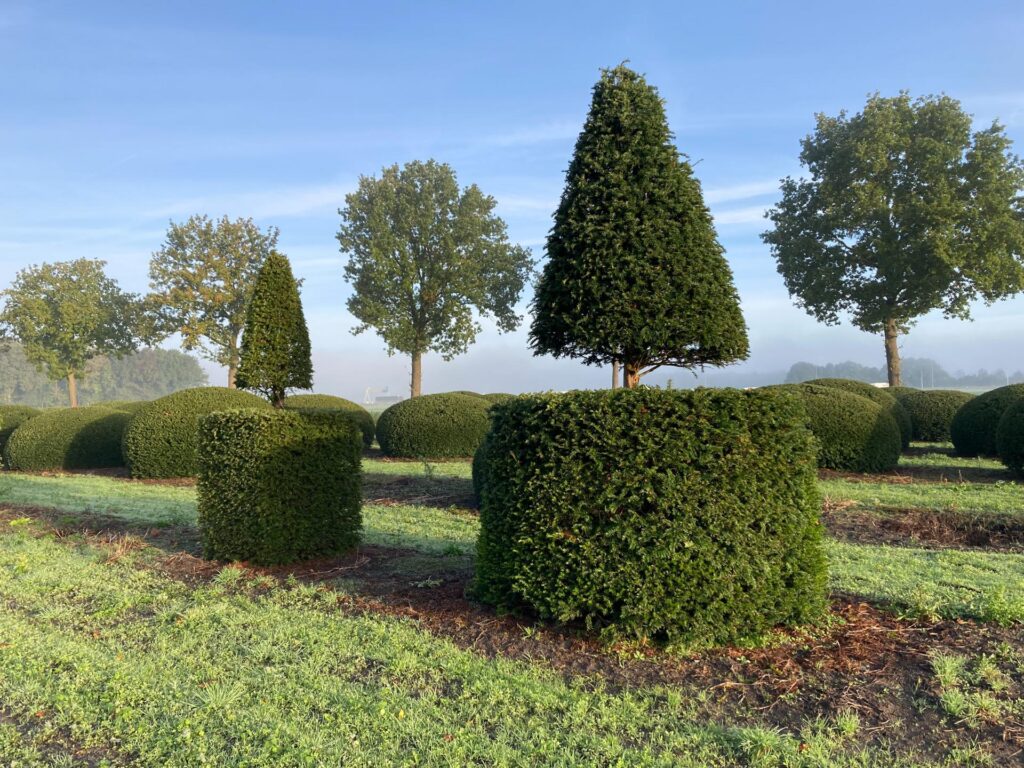
Our topiary are available in almost all common shapes, including:
- round sphere
- flat sphere
- cone
- cube
- pyramid
- hive
The shapes can be sleek and minimalist, or more pronounced and sculptural. This makes them versatile, from subtle accents to powerful eye-catchers.
FAQ
Frequently asked questions about topiary
What exactly is topiary?
Which plant species are suitable for topiary?
In which gardens is topiary most commonly used?
How high-maintenance is topiary?
Can topiary be planted year-round?
How fast does topiary grow after planting?
Is topiary suitable for larger green projects?
Can topiary be used in sun as well as shade?
How long does a topiary keep its shape?
Is topiary customised?
What makes topiary by Smits distinctive?
Our topiary are expertly grown and pruned, with an eye for shape retention, quality and uniform appearance. This makes them reliably usable within professional projects.
Looking together at what fits your project?
Would you prefer to see the trees in real life first?
You are welcome to visit our nursery!